Wasteman
Wasteman begins in the unmistakable aspect ratio of a mobile phone. In a tiny...
Wasteman begins in the unmistakable aspect ratio of a mobile phone. In a tiny prison cell, men crowd and jeer, while dark threats are thrown about. “I’ve cut someone’s throat for less than that,” growls one. It’s clear we are watching a prison-made viral video: violence, commodified for the TikTok generation.
This is a remarkable feature debut from writer-director Cal McMau, which plays like a modern-day Scum, or a British answer to A Prophet: a film that follows in this country’s social-realist traditions, but brings with it something new and relevant to say. Like many prison movies before it, it casts a highly sceptical eye on the institution of incarceration, doubtful that these incubators for crime and violence actually lead to meaningful rehabilitation. What Wasteman does differently is speak to the current crisis in the British service — chronic overcrowding, underfunding and inadequate staffing — and how it is all being documented by prisoners themselves, with McMau drawing inspiration from real videos from inside.
So we see flashes of feverish, bloody violence; lockdowns due to staff shortages; allusions to the successive games of political pass-the-buck; and, in the latest innovation to jailbird life, drones flying up to prison cells, dropping off packages of drugs like an illicit Deliveroo. There are regular phone-like portrait-mode cutaways of stuff like this, and McMau’s commitment to veracity is such that it’s sometimes hard to distinguish real footage from something staged. The filmmaker worked with the rehabilitation charity Switchback to ensure accuracy, and filled the supporting cast with real former inmates. This clear covenant with authenticity sets it apart.
It is real-life headlines, too, which inspire the central plotline. Taylor (David Jonsson) has been locked up for over a decade; he has clearly not known any other life as an adult. Then suddenly, without warning, the chance of parole lands at his feet; due to nationwide prison overcrowding, the government is implementing an early-release scheme for prisoners who have practised good behaviour (a nod to an actual scheme launched in 2024).
The visceral energy is hugely impressive.
Jonsson yet again shows his remarkable versatility as one of our most exciting young actors. In the past three years, he has been a romantic lead (Rye Lane), a dystopian hero (The Long Walk) and a robot with a personality disorder (Alien: Romulus). Now he’s a drug addict and former dealer, his past still weighing heavily on him. It’s a lovely understated turn, sad and vulnerable. He is a father to a son he doesn’t know and desperate to start over. There is a quiet yearning etched on his face.
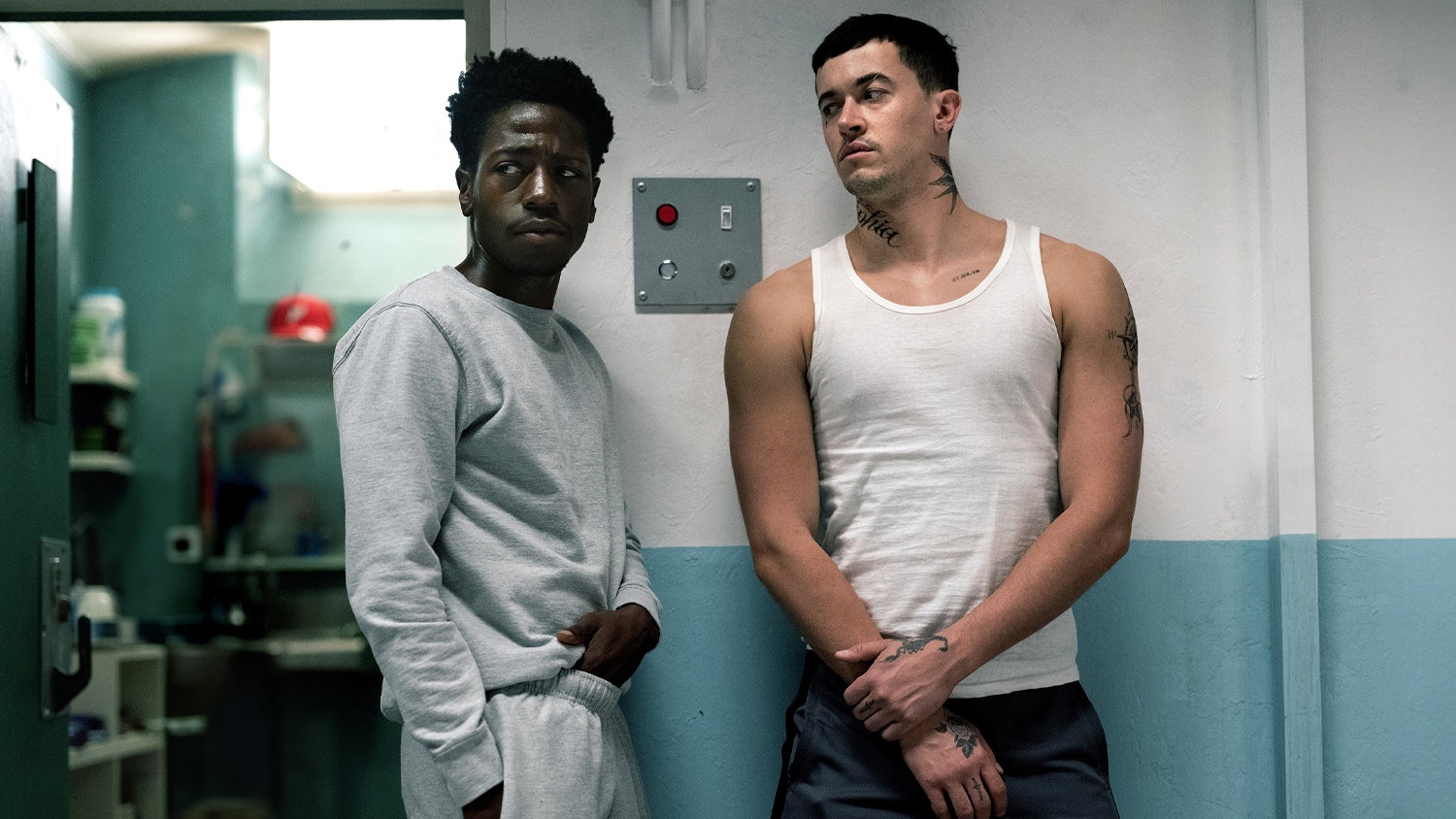
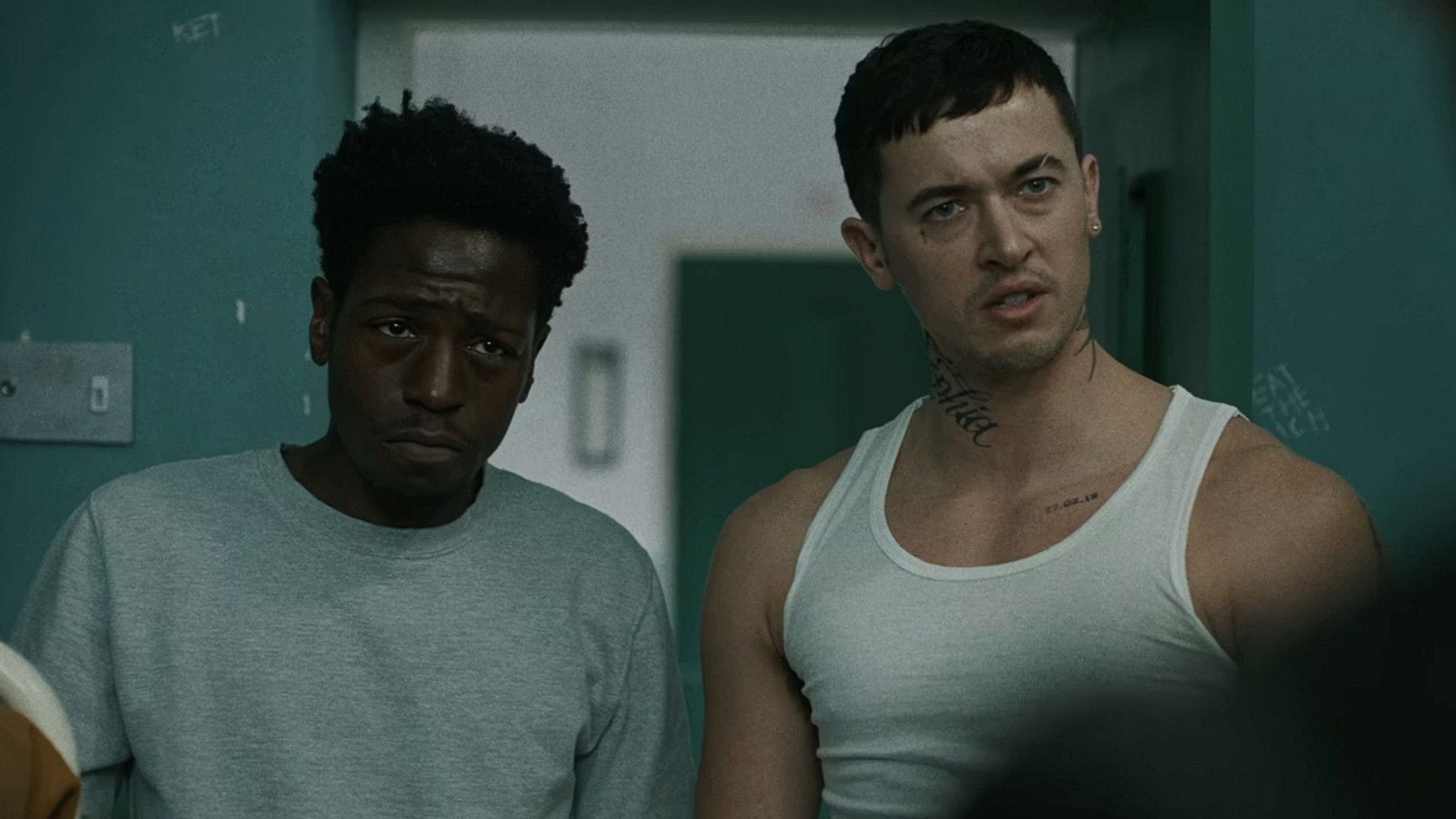
Then along comes his temperamental opposite. The neck-tattooed Dee (Hunger Games’ Tom Blyth, another young Brit making inroads in Hollywood) makes a very conspicuous arrival as Taylor’s cellmate, covered in blood while singing Frank Sinatra’s ‘The Good Life’. A force of unpredictable nature, he quickly sets up a makeshift shop, operating with impunity from his cell. He even gets his own Nintendo Switch. “I’m gonna boss this place,” he announces.
Taylor, keen to get his early release, keeps his distance from his bunk-buddy at first, but relents when the prospect of cheap drugs or access to a mobile phone — and with it, the possibility of contacting his son — changes the dynamic. The two men find an awkward friendship, but it’s clear a kind of Faustian pact has been signed, and the tension only swells when rival dealers in the prison vie with Dee for supremacy.
McMau films it all cooly and intensely, largely sticking to a vérité approach — only a drug-fuelled cell rave, set to Jamie XX’s ‘Gosh’, feels more style than substance. For the most part, we are invited to witness prison life at its most unrelenting, with levels of violence that some might find difficult to watch (there’s an incident with an opened tin of tuna which will make you look at John West differently).
While it never quite rises beyond the usual central thesis of these sorts of films — prison is hell, and failing us all — the visceral energy with which it presents it is hugely impressive, and fiercely tense, the stress levels nearing unbearable heights by the third act. (Philip Barantini, who directed the similarly if differently sweat-inducing Boiling Point, is a producer here.) But it’s the rich, rounded performances from Jonsson and Blyth that make this so compelling. “I’m not built like that,” says Taylor at one point, after being given an impossible task. Really, who is built for any of this?
What's Your Reaction?