MIO: Memories In Orbit
Platforms: PC, Nintendo Switch 2, Nintendo Switch, PS5, PS4, Xbox Series X|S ...
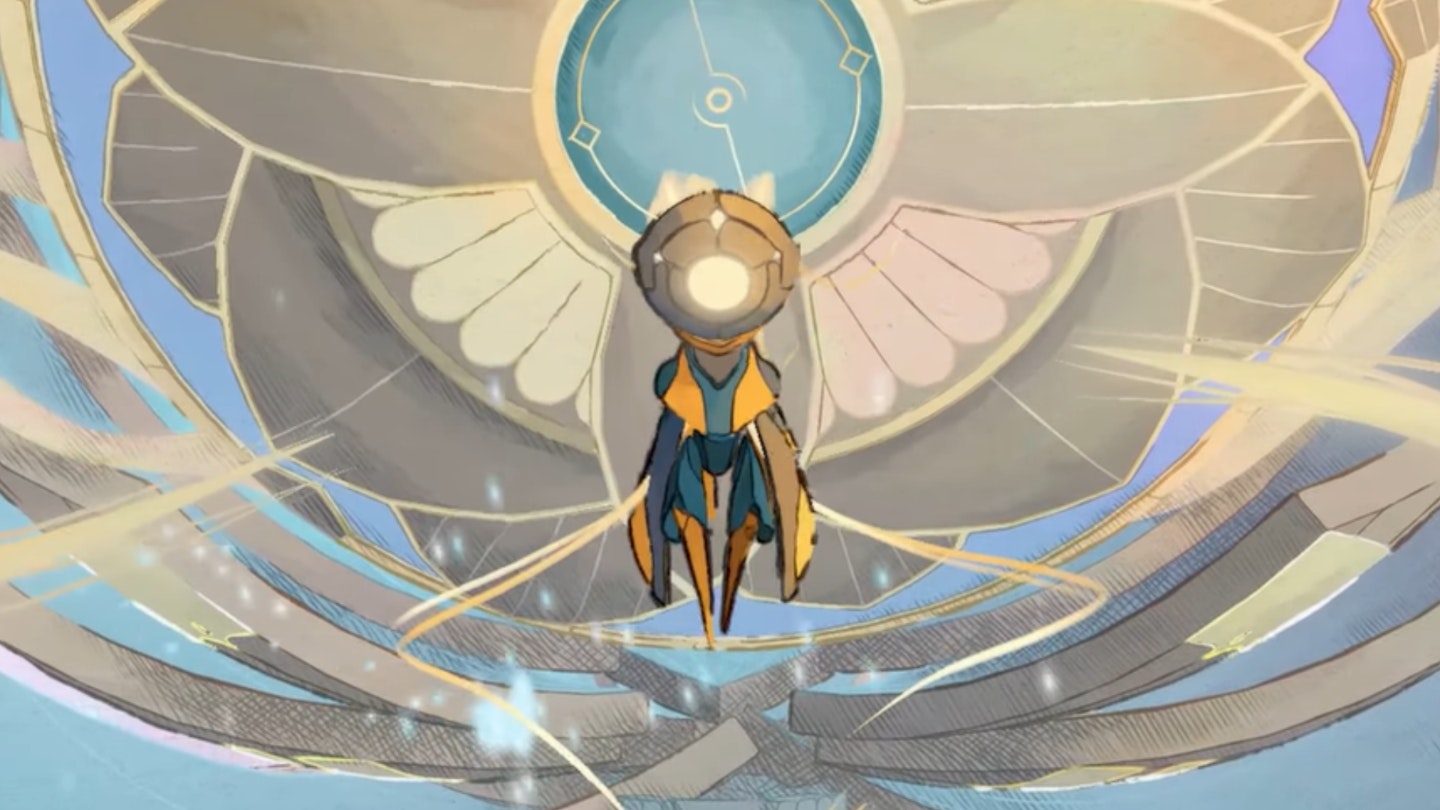
Platforms: PC, Nintendo Switch 2, Nintendo Switch, PS5, PS4, Xbox Series X|S
Metroidvanias – non-linear action platformers – are having quite the resurgence lately. The acclaimed Hollow Knight Silksong finally launched in September 2025, followed by one of the progenitors of the genre returning in December with Metroid Prime 4: Beyond. However, both are eclipsed by this phenomenal original effort that immediately cements itself as an all-time great.
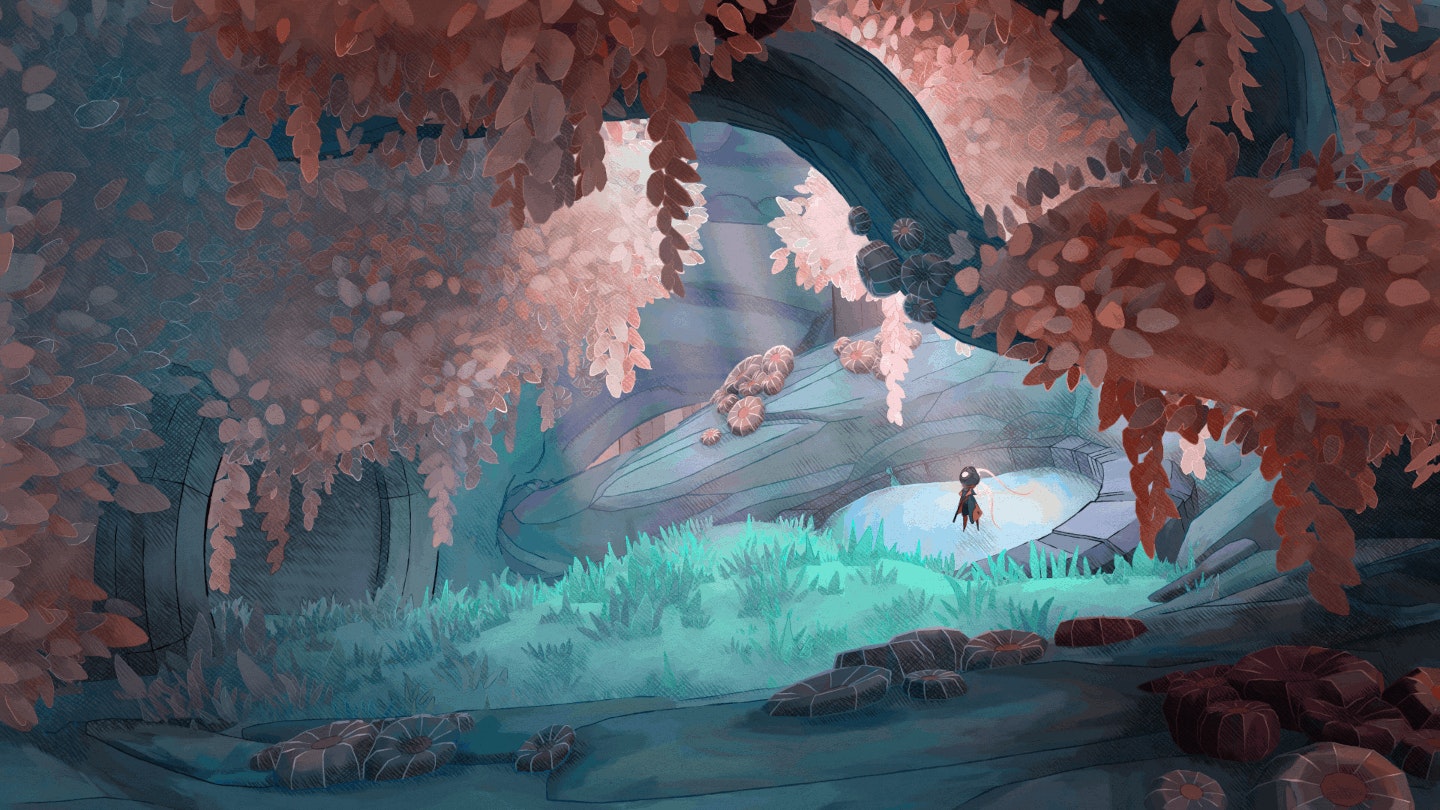
As Mio, a diminutive robot, players set about exploring “The Vessel”, a colossal spaceship with no signs of life, but curiously patterned after organic beings. As you explore, you realise you’re aboard a decaying ark, one that’s being wracked by strange tremors draining the dwindling energy of all left on board – including you.
For a lost ship full of robots, this is ultimately a story packed full of humanity, soaked in themes of hope, regret, desperation.
Presented and played on a 2D plane but beautifully crafted out of 3D models, and all painted in a stunning blend of watercolours and ink-wash effects, MIO: Memories In Orbit is a masterclass of environmental storytelling. As you explore the Vessel, you’ll piece together what’s happened in each area – sections crammed with overgrown flora, an industrial zone producing drones on auto-pilot, a fractured deck exposed to the cold void of space, and more all hint at went so horribly wrong for the unseen Travellers who were once aboard.
There’s a weight and emotion to MIO’s unfolding story that belies its animated visuals. Supporting characters have their own little narrative arcs, revealed piecemeal each time you encounter them and delivering some surprisingly poignant moments, while lost logs and data files flesh out lore and history. There are even deeper metaphysical moments that tap into contemporary discussions on the development of artificial intelligence and the nature of sentience. For a lost ship full of robots, this is ultimately a story packed full of humanity, soaked in themes of hope, regret, desperation.
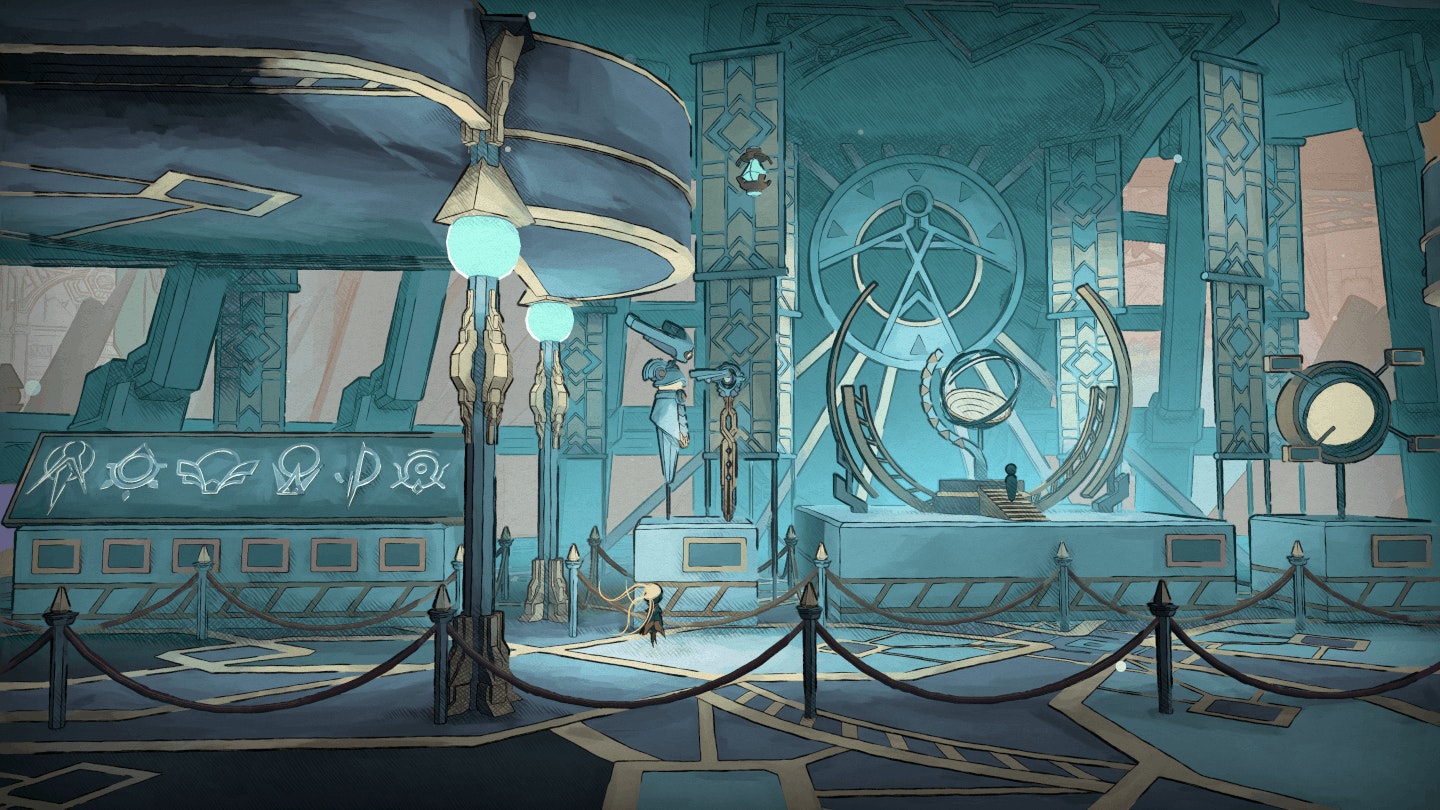
Little of this is spelled out though. Like the best of the genre, MIO rewards exploration and discovery, with barely-glimpsed or unreachable areas inaccessible until Mio has gained some new traversal ability. While that does mean plenty of back-and-forth, finally reaching somewhere that’s been tempting you each time you’ve passed it by feels cathartic. The game also builds up a generous network of fast travel points, taking the edge off some of that backtracking. Although activating it can take some work – hunting down lost “Overseers” to turn save points into teleportation hubs – it helps roots you in the world. By the time credits roll, you’ll fell like a native of The Vessel.
Exploration wouldn’t be so gratifying if it weren’t for an utterly joyful approach to Mio’s movement. Each leap is precise and responsive, right down to mid-air micro-adjustments that brilliantly aids both traversal and combat. An early suite of jumps and double jumps eventually expands with familiar moves like a glide to make it over cavernous gaps, and more imaginative upgrades like Striders, spider-like tendrils allowing Mio to climb walls and ceilings. Abilities share an energy pool, rapidly depleted but instantly refilled by striking enemies or certain environmental markers – chain everything together with combo attacks and well-timed dodges and just making your way around The Vessel is supremely fun.
Exactly how Mio handles can be tinkered with too, thanks to mods that can be installed into her frame. Some of these add counter-attacks – generating an explosion when taking damage, for instance – while others bolster health. Some even prove essential to get around, like one that generates slingshot grapple points with a well-timed dodge. There’s a limit to how many mods can be installed at once, but being able to tinker with Mio’s build adds a level of personalisation that the genre rarely offers.
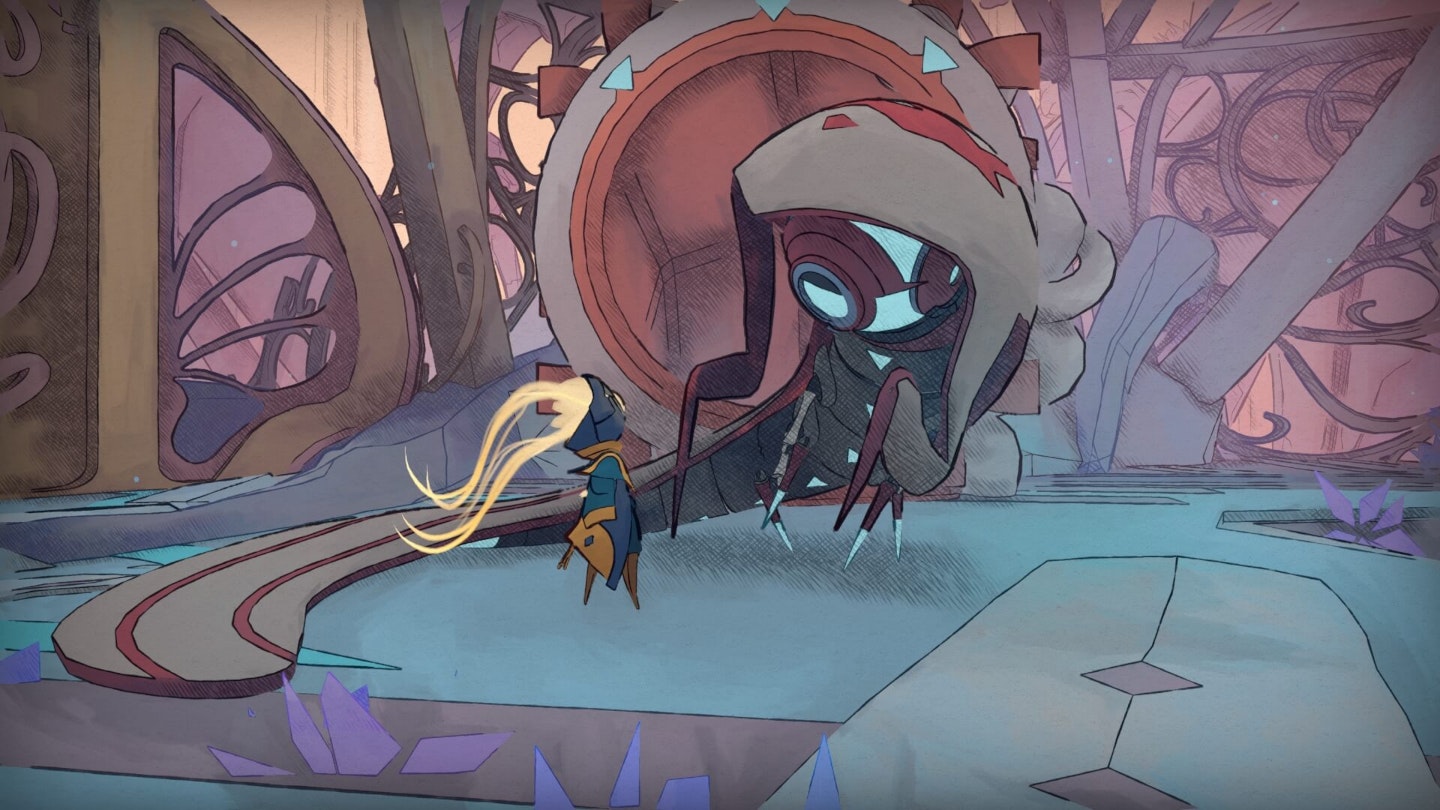
All those abilities will come in handy too, since Metroidvania games are typically pretty tough, and Memories In Orbit is no exception. Expect boss battles that require you to flawlessly utilise every one of Mio’s skills while learning to react to and counter complex attack patterns, and several nightmarishly complex platforming sections to navigate, where mastering that exquisite fluidity of movement is essential. However, unlike the utterly unforgiving likes of Hollow Knight, developers Douze Dixièmes do extend a few olive branches to players.
One is “Erosion”, whereby bosses are slightly weakened after each attempt you make at defeating them. The effect is incredibly minimal, a sliver less health each time, but that tiny advantage coupled with the knowledge you gain as a player with each attempt – when to dodge, when to counter, the area of effect for the enemy’s attacks, and more – means these milestone encounters feel increasingly approachable, without ever becoming cakewalks. Another is “Ground Healing”, where Mio generates a single additional health node after a few seconds of contact with the floor. This is useful to help make it through some of the tougher platforming challenges, letting you figure out routes and tactics without fully running out of health, albeit at a cost of padding your playtime (sorry, speedrunners).
This isn’t hand-holding though – if you want to experience the game in its purest, toughest form, these assists are entirely optional, and turned off by default. Masochistic players can test their skills, while those who want to progress at their own pace aren’t punished with impassable road blocks. It’s a wonderful approach, and a brilliant way to make a notoriously difficult style of game accessible to newcomers and seasoned pros alike – and given MIO: Memories In Orbit impresses on just about every level, it’s one as many people as possible should experience for themselves.
What's Your Reaction?