Urchin
Actors making the transition to directing are a dime a dozen, but there’s...
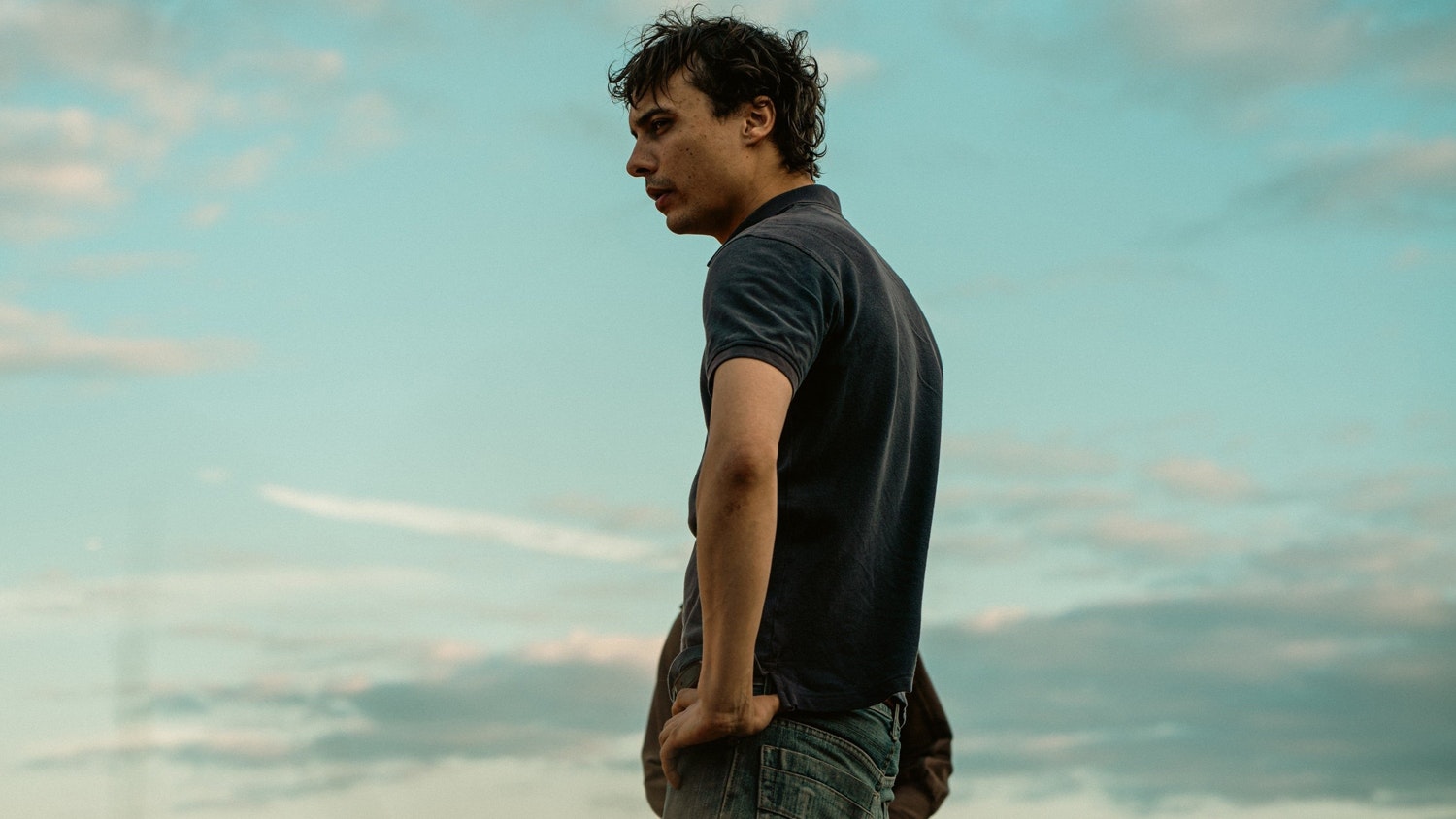
Actors making the transition to directing are a dime a dozen, but there’s something special about Urchin, Harris Dickinson’s feature debut. Sure, he’s navigated his career so far with impeccable taste, working with the likes of Joanna Hogg and Steve McQueen, but as a filmmaker he’s more than just a sponge for his collaborators — he’s a fresh and original artist in his own right.
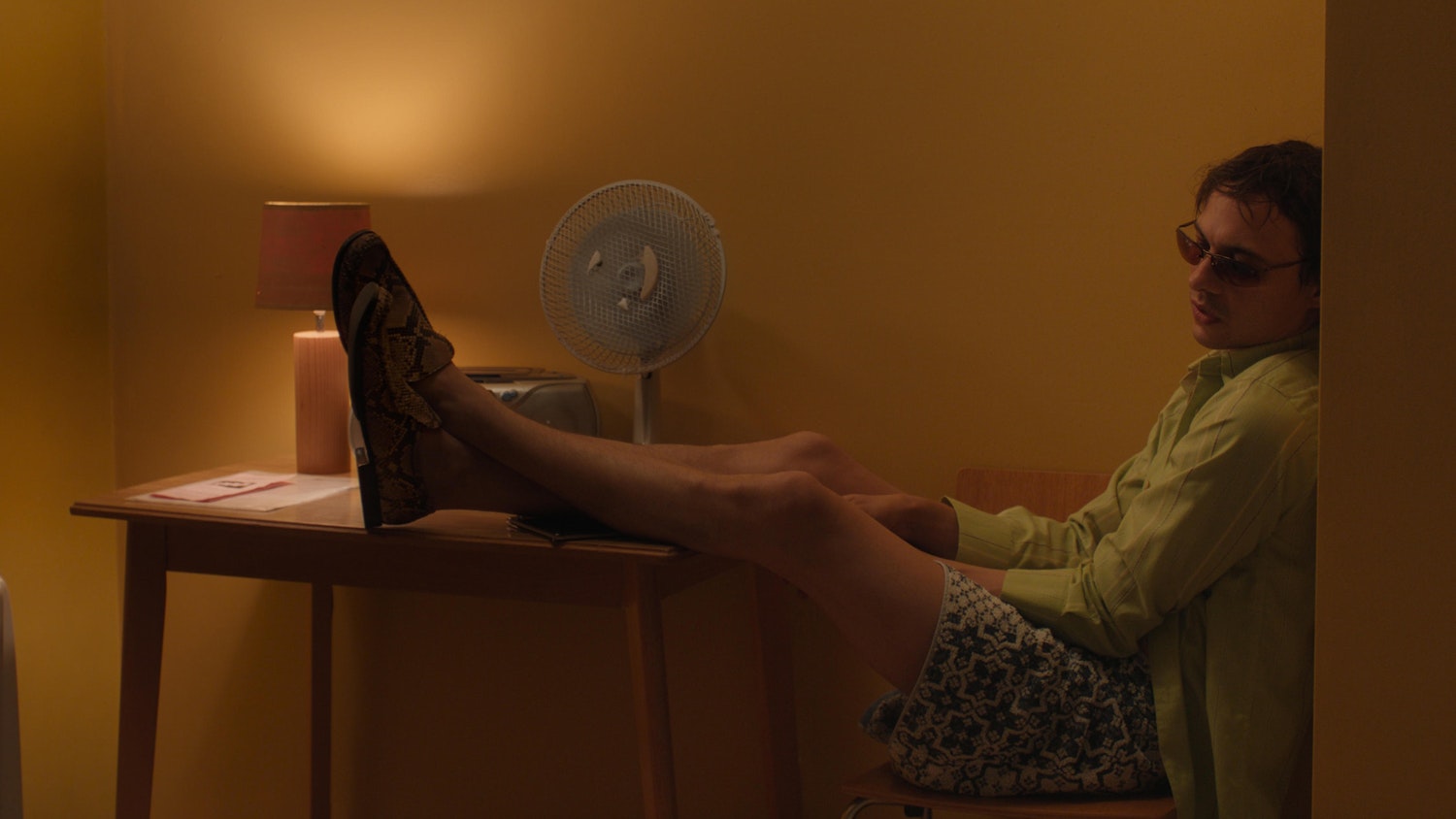
In the impersonal expanse of London, Dickinson finds a personal story. Mike (Frank Dillane) has been sleeping rough in any dark corner he can find for a number of years. When one unassuming stranger offers to buy him a sandwich, Mike mugs him and lands himself time behind bars. After his release, he’s sober and takes up a cooking job at a budget hotel — but Mike’s self-sabotaging tendencies prevent him from holding on to employment. At any gesture of sincere generosity, he retaliates.
Dickinson’s taut screenplay finds pockets of levity in this slice-of-life story. For a moment, Mike seems almost comfortable: he slowly opens himself up to friendship at his cooking gig before singing Atomic Kitten at karaoke with his new pals. That temporary lightness only heightens the frustration of his inability to turn away from the chaos.
The film refreshingly evades simple answers.
Mike’s volatile behaviour is disheartening, especially when he appears just within touching-distance of stability — but Dickinson treats his protagonist with empathy and understanding. Destructive cycles are difficult to escape, and when a system of bureaucracy and austerity treats you like you’re worthless for long enough, you may even begin to internalise that sentiment. Mike is as much a victim of odds stacked impossibly high as he is of his own impulses.
Dillane is outstanding in his first major starring turn, his character hiding behind bouts of charm — undoubtedly a protective mechanism for concealing Mike’s inescapable pain. And in a part so distant from the magnetic leading men he’s become known for, Dickinson also appears as Mike’s twitchy friend Nathan, in a similarly tough situation.
With Dickinson and cinematographer Josée Deshaies keeping characters at a distance with observational wide shots, Mike appears lost precisely because he feels impossible to reach. And when Urchin is not wading knee-deep in the grand tradition of British social realism, the film cuts to surreal, visually hypnotic sequences — a cave, a church — that appear to dive into Mike’s subconscious. The film refreshingly evades simple answers in that regard, forgoing pity in favour of illustrating the complex humanity of someone who’s been made to believe they’re not worth saving.
What's Your Reaction?