Peter Hujar’s Day
Among the biggest pitfalls of the biopic genre are sensationalism and...
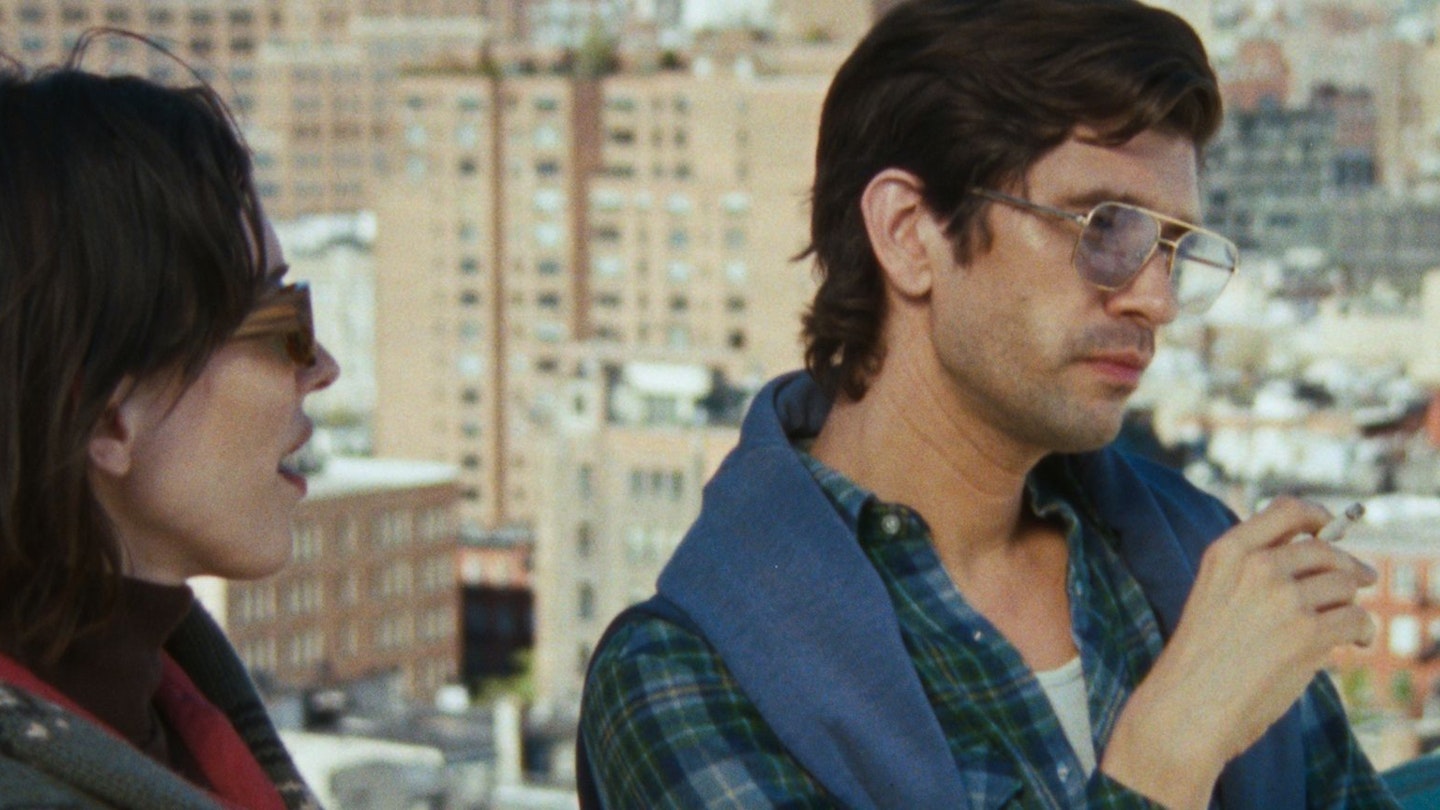
Among the biggest pitfalls of the biopic genre are sensationalism and schmaltz. Peter Hujar’s Day — which centres on the revered queer photographer of its title — is thankfully, determinedly guilty of neither, instead painting the interior life of its subject in faithful, delicate brushstrokes. Adapted verbatim from a conversation between Linda Rosenkrantz (Rebecca Hall) and her close friend Peter (Ben Whishaw), it’s director Ira Sachs’ second collaboration with Whishaw after Passages and an unapologetic performance vehicle for the Black Doves star. But this is an understated, elegant and effortlessly moving portrait of the artist in his 1970s heyday, rivalling Richard Linklater’s Before Trilogy as a dreamy, deep-meaningful-conversation film.
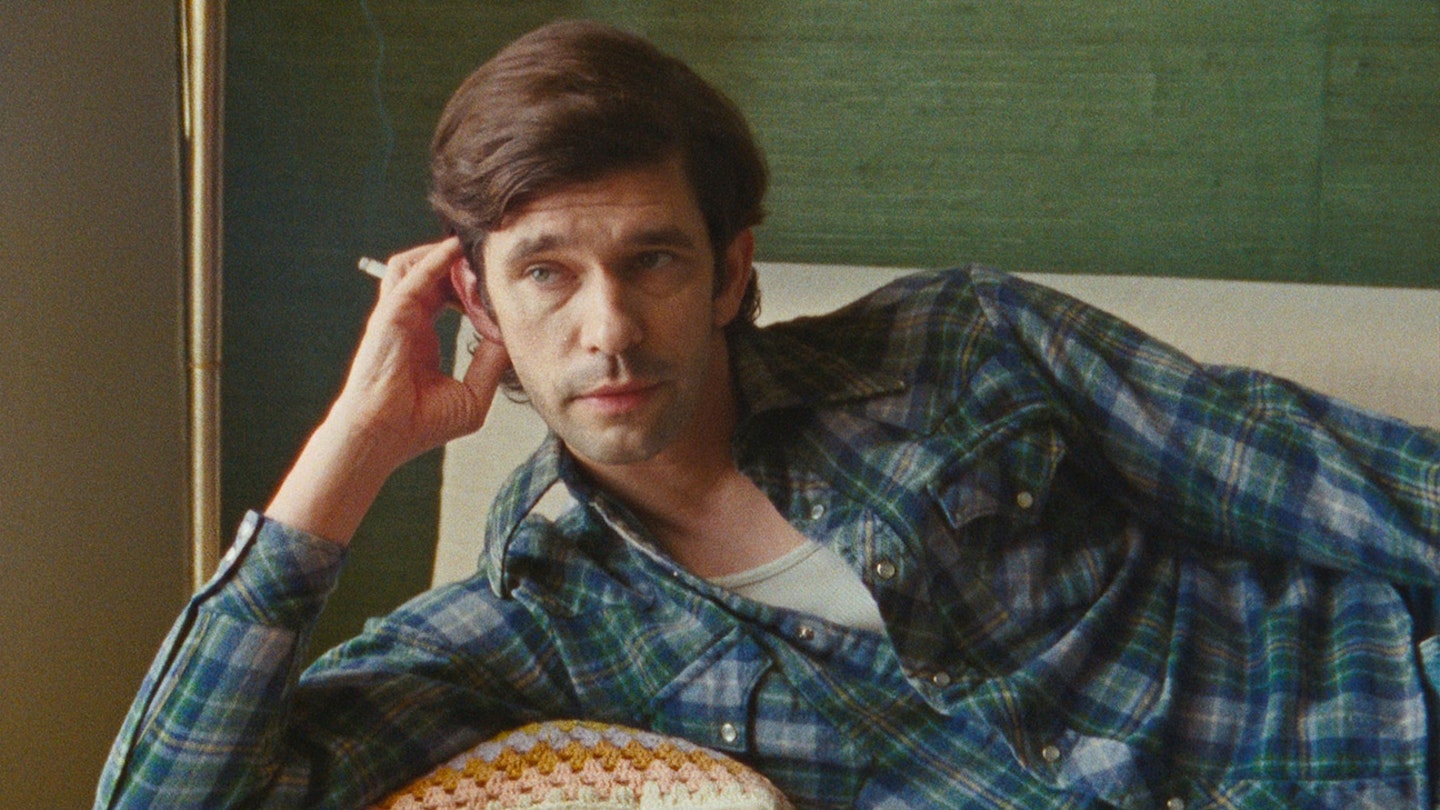
A found-footage feel anchors the film’s opening sequence. We learn from a title-card that Linda’s transcript was “lost” and re-“discovered” in 2019. The first shot is of her old-school cassette-recorder, before the camera pans and settles on Hujar lighting a smoke. The action — if it can be called that, 24 hours unravelling with all the gentle bliss of a lazy morning — takes place entirely in and around Linda’s snug, daylight-suffused Manhattan apartment, where the pair mosey about, swig coffee and at one point throw shapes to rockabilly music.
Crackly camerawork — with deliberate, beautifying damage to the film — is combined with natural light being wielded like a magic wand.
There’s not much in the way of plot, per se. Sachs slips into the leisurely mode of Peter and Linda, as they lounge on sofas or loll in bed. But there’s much to be mined in Rosenkrantz’s transcribed script about life as a member of New York’s sometime intelligentsia — as well as serving as a who’s who of the Big Apple’s arts scene — from money woes to run-ins with fishy editors to the antics of Beat poet Allen Ginsberg. Hall has a little less to work with, her job to interject and keep Peter’s monologue flowing.
Perhaps unsurprisingly for a film about a photographer, Alex Ashe’s cinematography comes close to matching the artistic merit of his subject. Crackly camerawork — with deliberate, beautifying damage to the film — is combined with natural light being wielded like a magic wand. The result is low-fi but mesmerising.
As the daylight trickles away entirely over the course of the film’s 75 minutes, Sachs forgoes epilogue text, which can often be a cliché in biopics. But the later scenes especially are tinted with what we know about Hujar’s tragic death from an AIDS-related illness in 1987. The melancholy isn’t overworked, though, and nothing about this day-in-the-life feels stretched or contrived. It’s a film that understands the best way to do a subject justice is to try to capture their spirit with honesty.
What's Your Reaction?