Metroid Prime 4: Beyond
Platforms: Nintendo Switch/Switch 2 The Metroid Prime series has effectively...
Platforms: Nintendo Switch/Switch 2
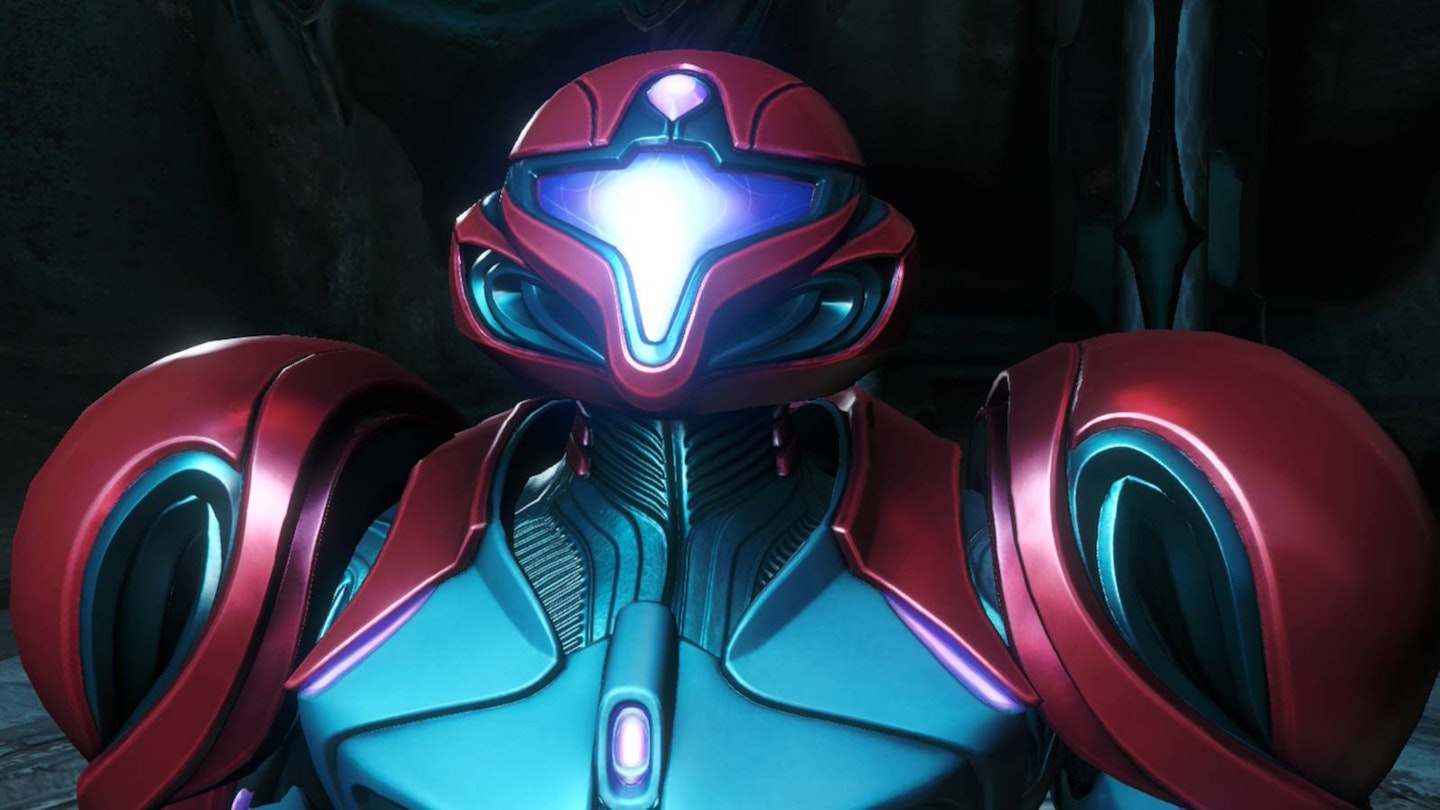
The Metroid Prime series has effectively been on long-term hiatus since 2007's Metroid Prime 3: Corruption. Plans for a fourth core entry in the first-person branch of Nintendo's long-running sci-fi explorathon franchise have sputtered in and out of existence over that staggering 18 year gap – development duties left and then returned to original Prime creators Retro Studios, the first entry got remastered as a stop-gap, and armour-clad bounty hunter space hero Samus Aran got so bored waiting that she even dabbled with a return to her 2D roots in 2021's Metroid Dread.
Often, a game that spends almost two decades in development hell doesn't come out any better for the delay, if it comes out at all. Most games aren't Metroid Prime 4, though, and while this (extremely) long-awaited return isn't perfect, it's a reminder of what makes the series so great.
Metroid's overall chronology is a mess, but the entire Prime series fits between the original 1986 Metroid on the NES and 1991's Metroid II: Return of Samus for the Game Boy. While playing the previous Prime trilogy will be beneficial, it's not necessary (helpful, since Metroid Prime 2 and 3 haven't been remastered or rereleased since 2009's Metroid Prime Trilogy compilation on the Wii) – all you really need to know going in is that Samus has been trapped on the uncharted world of Viewros, stripped of her many abilities again, and forced to find a way home.
Go in with those basics locked down, and Beyond expands to tell one of the more interesting stories in the wider Metroid canon, bringing in weird cosmic elements thanks to the extinct Lamorn race that once populated Viewros, and expanding the series' harder sci-fi roots with an expanded cast of space marines stranded alongside Samus. While the narrative is stronger for having a deeper cast, one of the game's missteps is in keeping Samus a strictly silent protagonist – allies will launch reams of dialogue at her, only to be met with a nod. It's incredibly immersion-breaking, and if Nintendo wants to make its more mature games increasingly cinematic, it needs to finally accept that its main characters need to speak.
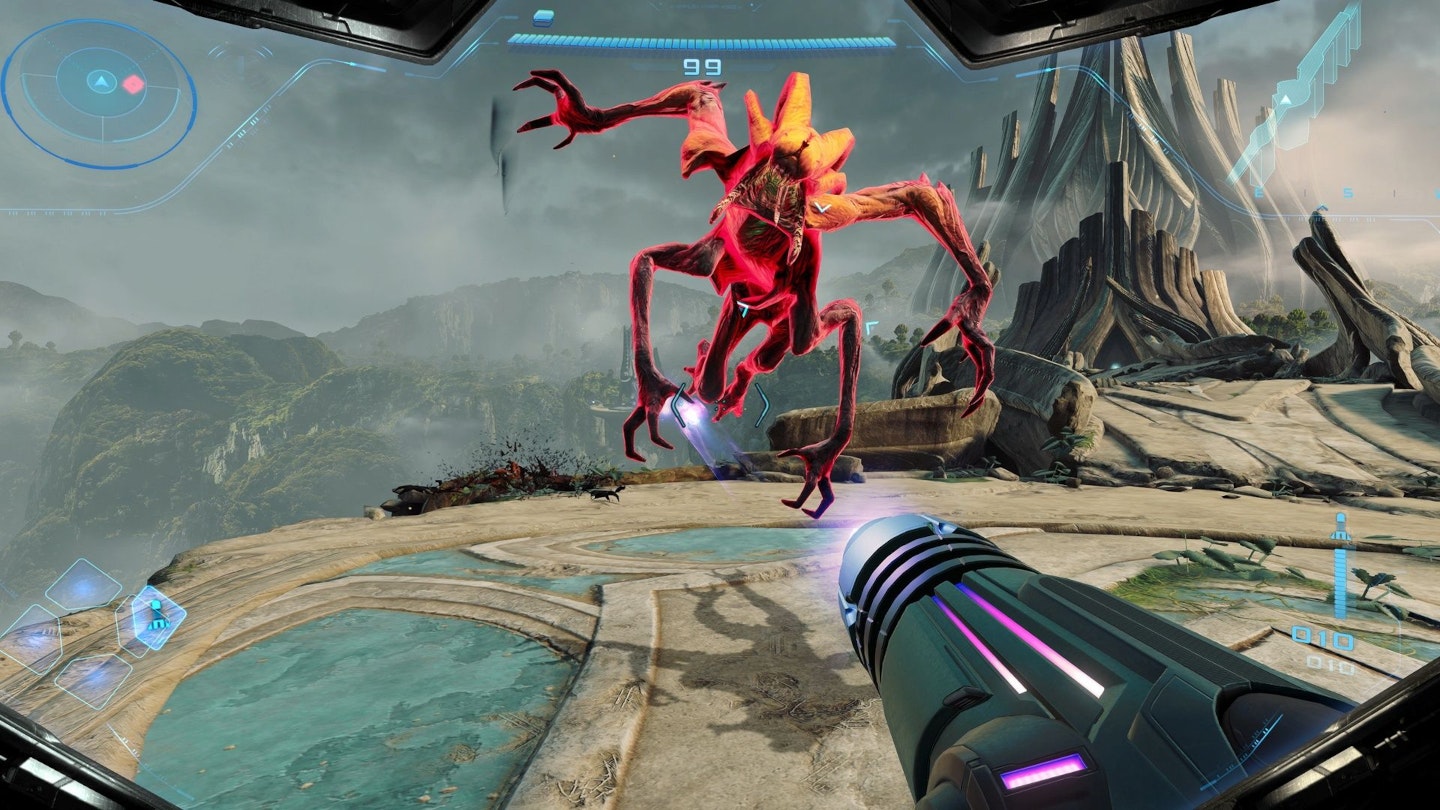
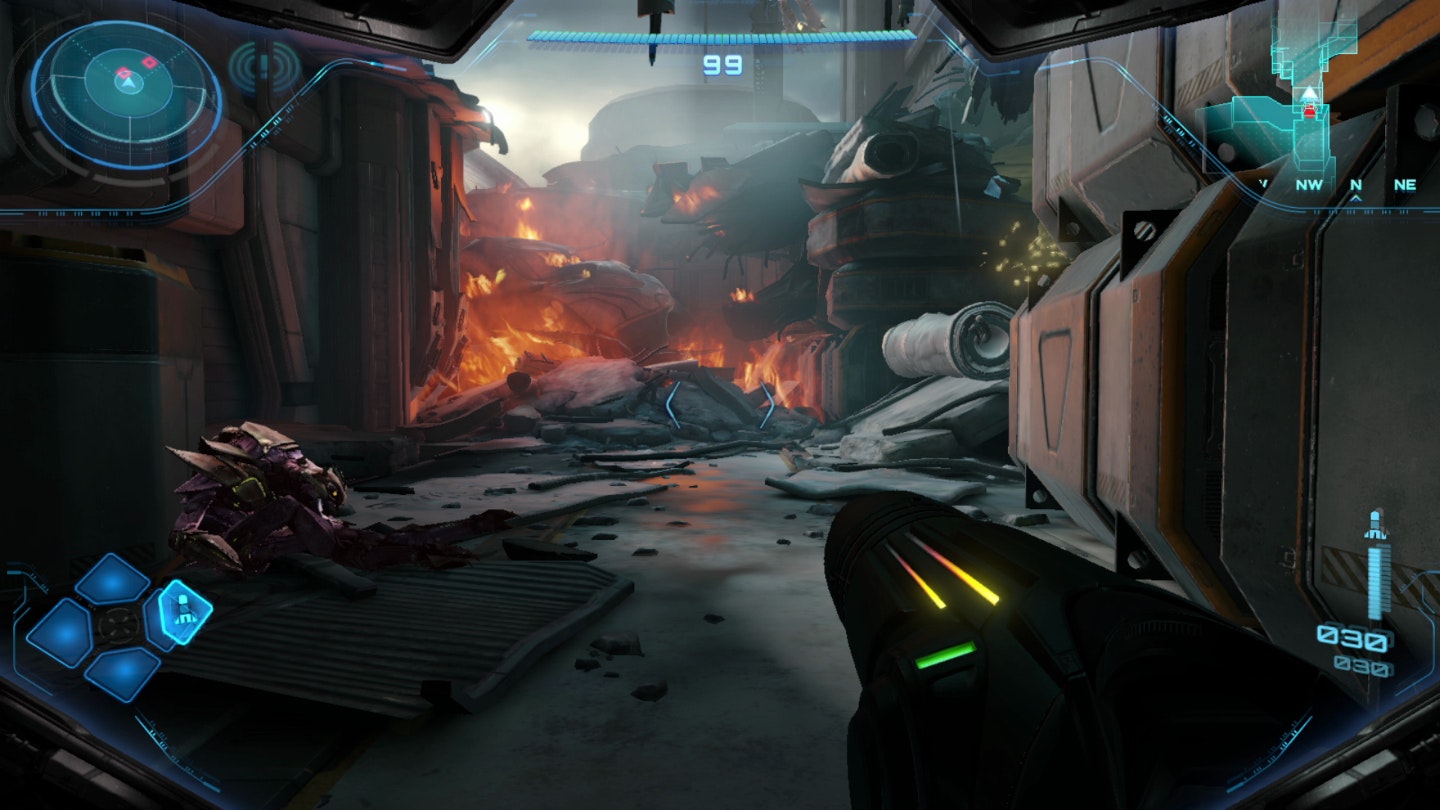
Like its Prime predecessors, Beyond is played first-person, blending rapid shooter action and set-piece boss battles, with a more composed, exploratory approach where Samus must scan her surroundings for clues, or return later after regaining key abilities in order to enter previously inaccessible areas. There are added mouse controls for the Switch 2 edition (version tested), which the game really wants you to use, but they're a nice extra feature at best, and a gimmicky addition at worst. Anyone with a Pro Controller is likely to stick to that.
The Vi-O-La bike is a cool touch, as is the redesigned power suit Samus gains with it...
Either way, players can expect a reassuringly familiar gameplay loop that's given a few tweaks thanks to new psychic abilities awakened in Samus by remnants of the Lamorn. A lot of these prove to be returning skills with the word "psychic" bolted on as a prefix – "Psychic Spider Ball" is functionally identical to the earlier "Spider Ball" for instance, allowing Samus in her morph ball mode to stick to magnetic tracks, only now with a purple energy haze. Others are more innovative, like the time-freezing Control Beam allowing you to direct a bolt of energy to hit zippy foes, or the Psychic Glove, used to telekinetically solve puzzles out of combat.
The other big twist is the introduction of the Vi-O-La motorbike, a relic of the extinct Lamorn race that once inhabited Viewros. Beyond goes for a pseudo-open world approach, with the bike used to navigate a vast desert that sprawls between the world's core mission areas. It's a cool touch, as is the redesigned power suit Samus gains with it, and genuinely fun to zoom around on thanks to speedy handling, powerful boosts, and a lock-on system that turns battles against emergent threats on Viewros into impromptu moments of vehicle shooter action. Unfortunately, there aren’t enough moments for the bike to shine, as it's never integral to gameplay outside of a few key plot-mandated sections, and it rarely has purpose in Beyond's main areas.
Those areas are fantastic though, packed with smart design choices and tantalising power-ups kept just out of reach until you have the right ability, constantly tempting you back to explore further. The approach does mean the game is broken up into a half dozen smaller mazes, rather than Metroid's usual singular conjoined labyrinth – it's a little closer, structurally, to The Legend of Zelda – but each of them are a joy to battle through.
Metroid Prime 4: Beyond's biggest issue is that it needed to be just that bit bolder. For all its new additions – the psychic powers, the expanded cast, the vehicle, the open world experimentation – it still feels like Retro Studios didn't want to rock the boat too much after that 18 year absence. What's here is a delight for returning fans and newcomers alike, but it's not quite the reinvention for a new era that the series needed. If there's a Metroid Prime 5, this lays plenty of track for something bigger – let's just hope we're not waiting another two decades to see what it might be.
What's Your Reaction?