Louis Theroux: Inside the Manosphere
Streaming on: Netflix Are men okay? In the last few years — with the rise of...
Streaming on: Netflix
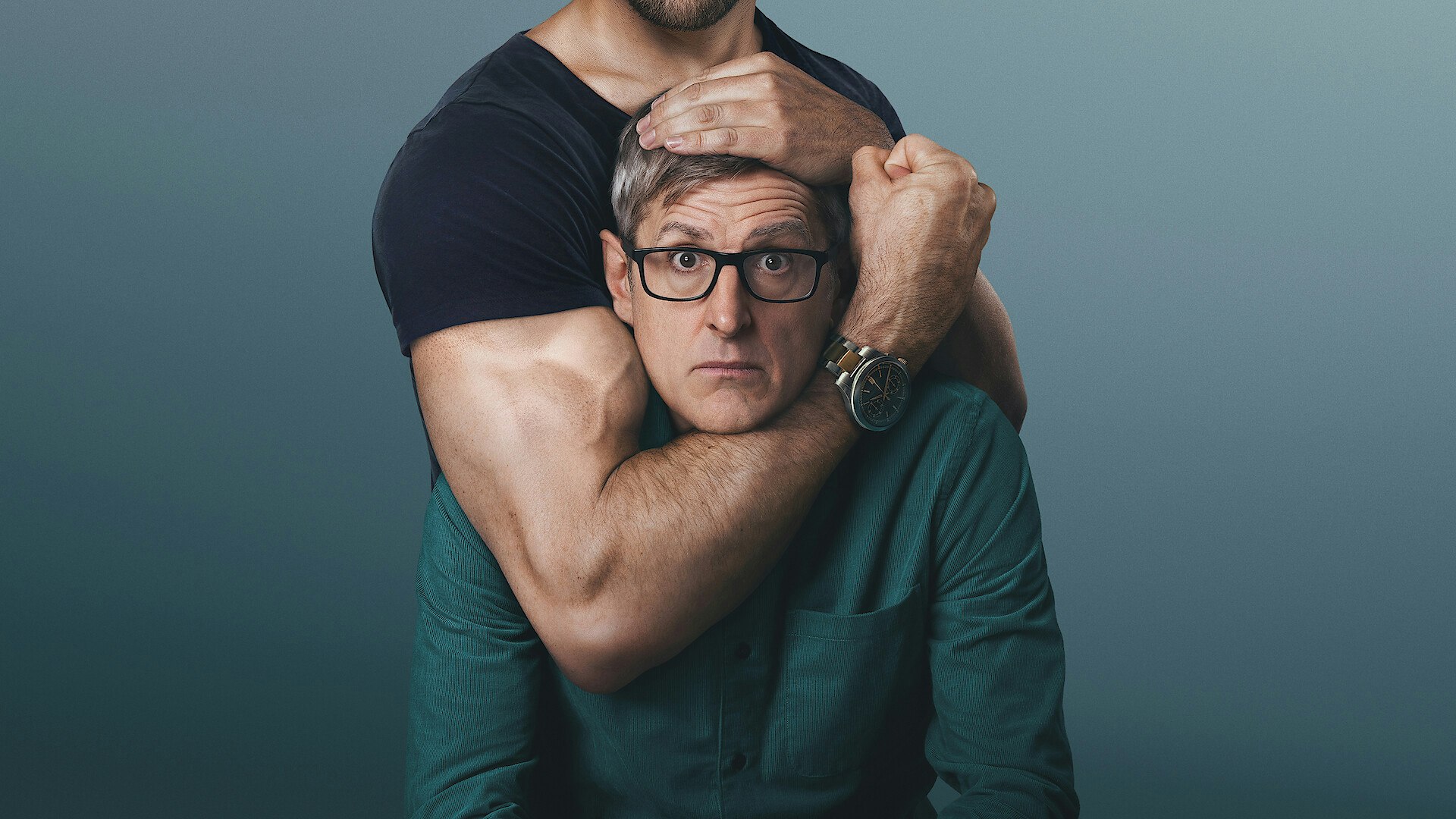
Are men okay? In the last few years — with the rise of incels, men’s rights activists, and toxic social-media-driven ideologies — it increasingly seems that no, no they are not. Here to unpack a febrile world of muscle and misogyny is veteran documentarian Louis Theroux, making his Netflix debut after decades at the BBC. Arriving as a kind of non-fiction companion to last year’s Adolescence, it is a hugely disturbing if not entirely flawless exposé of a world that is increasingly creeping beyond its murky online bounds.
While the most powerful and arguably most dangerous manosphere influencer, Andrew Tate, remains out of this film’s grasp, Theroux manages to speak to many significant, controversial figures on the scene, from podcaster Myron Gaines (author of the bluntly titled tome Why Women Deserve Less) to ‘red piller’ Justin Waller to conspiracy-theorist Sneako. He spends perhaps the most time with 23-year-old Harrison Sullivan, aka HStikkytokky, a British influencer living abroad to avoid charges relating to a car crash, who refers to his girlfriend as his “dishwasher”.
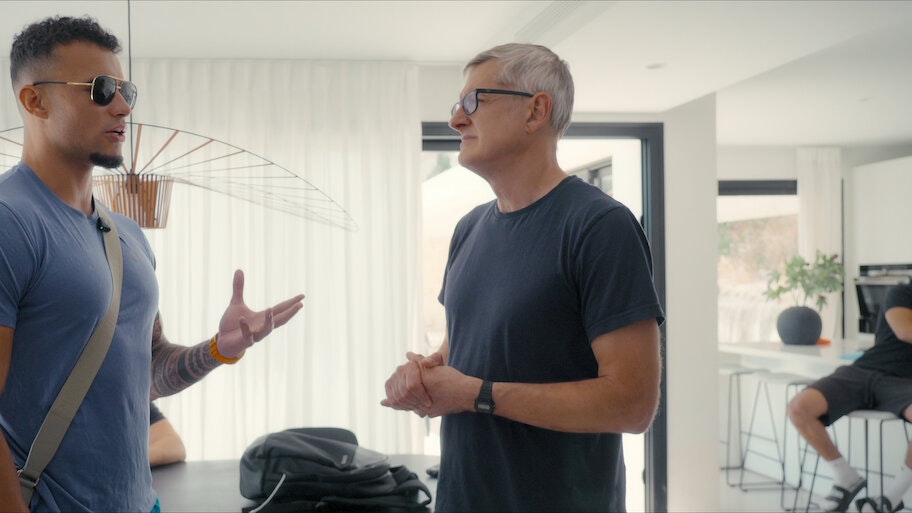
The views espoused by these men are by turns ridiculous, regressive, contradictory, and abhorrent. They are casually sexist and racist, propagating a mixture of absurd misinformation — one claims that “they’re putting stuff in the tap water that makes you trans” — with repellently medievalist approaches to gender. They evidently despise women, uniformly offering the age-old “How can I hate women? My mum’s one!” defence, motivated and incentivised to more despicable depths by algorithmic tech ecosystems. (Sullivan, in one startling moment, essentially acknowledges he has chosen an immoral path in order to lay at the altar of clicks.)
Theroux takes a sober and serious approach to all these encounters — his style here is more The Settlers than Weird Weekends — and his typically disarming brand of masculinity makes for an essential counterpoint to the macho hostility he meets. He rightly scoffs at some of the superficial or fanciful displays of laddishness, and on more than one occasion, simply responds, “Come on!”, like a disappointed middle-class dad expecting his son to pull himself together.
Elsewhere, though, his calm neutral-observer approach sometimes falls short. The sheer volume of straightforwardly disgusting rhetoric in the film is not always corrected or called out. Worse, the observation bias of platforming these figures, who feed off notoriety and clicks, has the unintended consequence of boosting the very people Theroux is attempting to skewer. Sullivan, for example, initially feels suspicious of a Therouxian hit job — before cannily utilising the attention for his own gain, bringing the documentarian into his livestreams, against his will. “I’m not your content,” Theroux protests. But the horse has already bolted.
In a film so centred around ugly discussions of gender, women are notable by their absence here, too. The few scenes featuring the influencers’ wives or girlfriends are undeniably telling — Gaines’ girlfriend looks visibly uncomfortable during a discussion of his “one-way monogamy” philosophy; Sullivan’s mother certainly puts him in his place — but Theroux could have found more female voices for a richer perspective, especially given it is women who will be at the brunt of the hate being fomented here. The disquieting real-world consequences of the patriarchy — an average of 137 women or girls are killed by a partner or family member around the world every day, according to the UN — are not satisfactorily engaged with here.
The film’s most powerful moments instead come from seeing the impact on the vulnerable, gullible young men who form the manosphere’s main audience. Theroux meets a couple of Waller’s acolytes and tries to understand the appeal it holds. Their answers are quietly heartbreaking: one young man, whose brother died by suicide, parrots the messaging he has heard from these influencers, claiming there is no such thing as depression. “We’re not meant to be happy,” he claims. “As men, we’re meant to suffer.” The men are not okay.
What's Your Reaction?