My Father’s Shadow
This is a gorgeous day-in-the-life-style coming-of-age film, sprawling and...
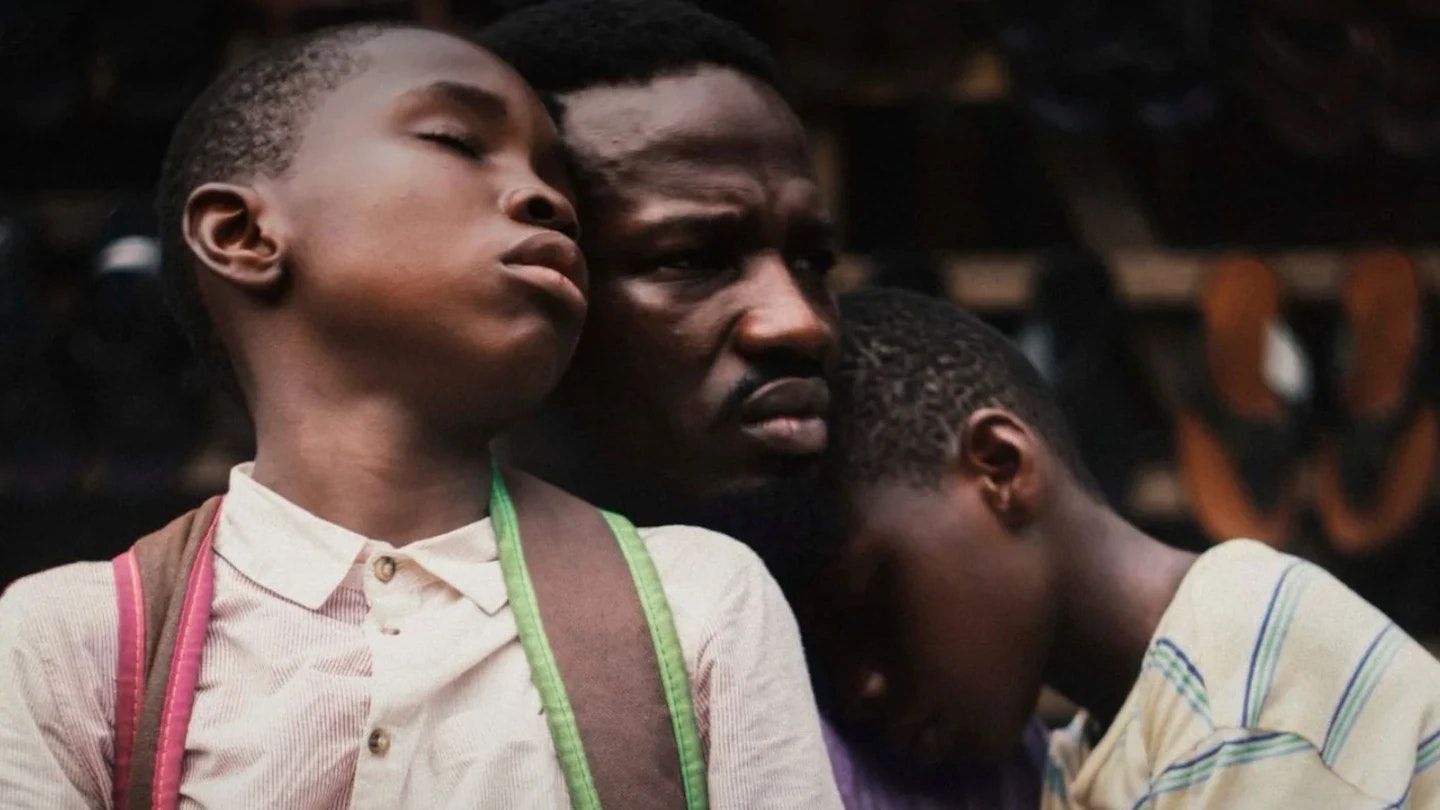
This is a gorgeous day-in-the-life-style coming-of-age film, sprawling and beautifully made. First-time director Akinola Davies Jr., who co-wrote with his brother Wale Davies, based the film partly on his own life, and it feels like a hazy memory, evocatively summoning the sights, sounds and smells of an eventful 24 hours in Lagos.
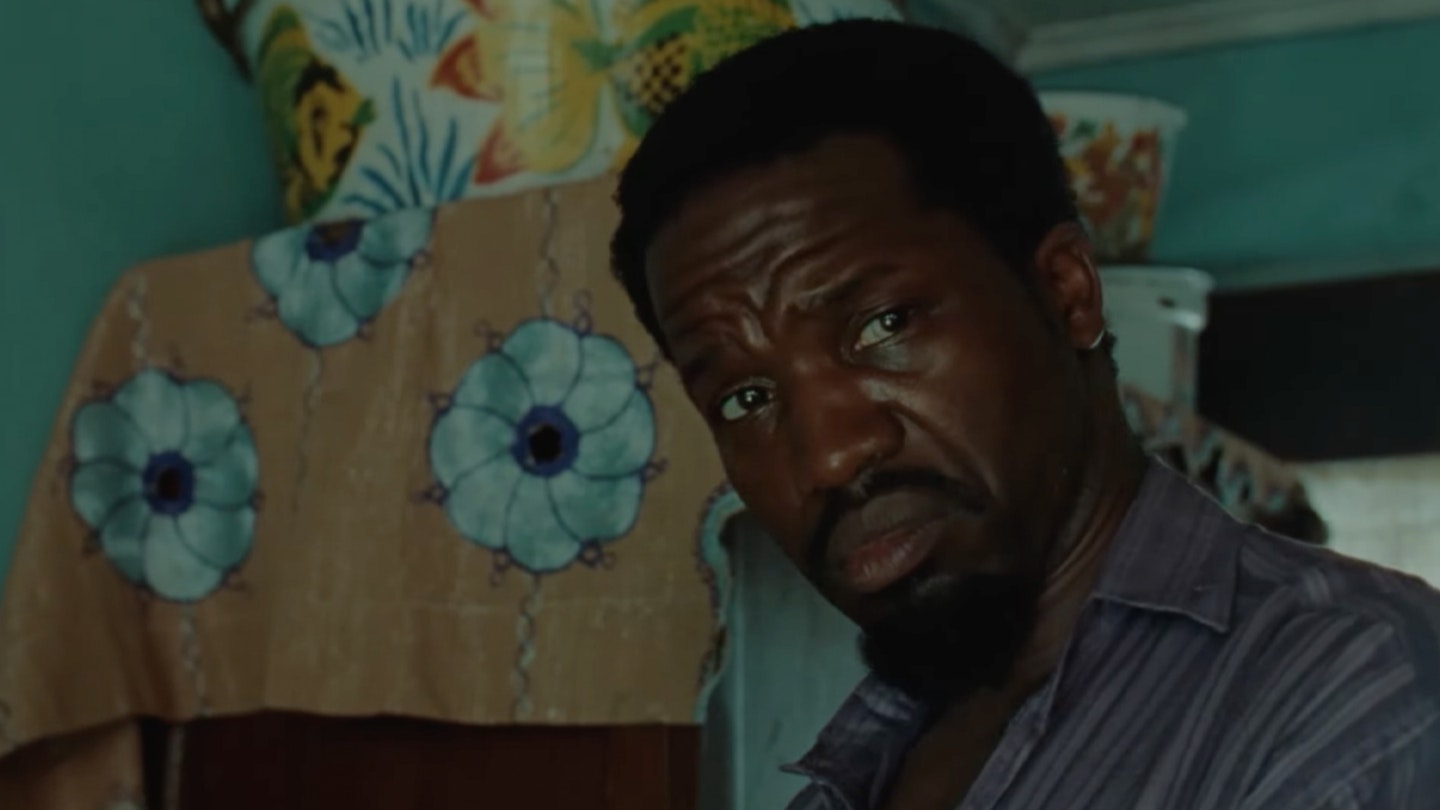
In 1993, Nigeria was on the brink of political upheaval. As depicted here, the country seems on a knife edge: on the verge of holding its first presidential elections in a decade following the 1983 military coup, yet diving into great uncertainty. On the streets, there is chatter of fuel shortages; the military ominously rolls through the streets; and people crowd around television sets, awaiting political news in a fast-moving situation. The “streets are hot”, one character warns — not referring to the sweltering weather.
[Akinola] Davies Jr., who shot the film in 16mm entirely on location, gets a great sense of time and place, using handheld camerawork and fast editing to elicit a city pulsing with life, even as it groans with anxiety.
Amid all this chaos, Folarin (Ṣọpẹ ́ Dìrísù) is trying to retrieve unpaid wages owed to him. But he also finds himself looking after his two young sons, Akin and Remi (played by adorable real-life brothers Godwin Chiemerie Egbo and Chibuike Marvellous Egbo), to whom he seems to be, if not estranged, then at least somewhat absent.
So, these country boys get a rare taste of the big city, with all its colour, vibrancy, noise and smells, sensations that burst through the screen. Davies Jr., who shot the film in 16mm entirely on location, gets a great sense of time and place, using handheld camerawork and fast editing to elicit a city pulsing with life, even as it groans with anxiety.
From the perspective of these sweetly naive boys, we witness stressful conversations that can’t be shielded, and a complicated picture of masculinity. Folarin is not always there for his sons, but he remains a powerful model of strength and morality, and Dìrísù, whose career is continually impressive, offers a well-rounded performance: reserved, a little sharp, keeping his secrets (he suffers from unexplained nosebleeds) but ultimately loving.
If the climax is a little more melodramatic than everything that came before, it’s a forgivable choice: My Father’s Shadow is deeply heartfelt, intimately personal filmmaking — and the announcement of major new talent.
What's Your Reaction?