Hedda
There have been numerous productions and adaptations of playwright Henrik...
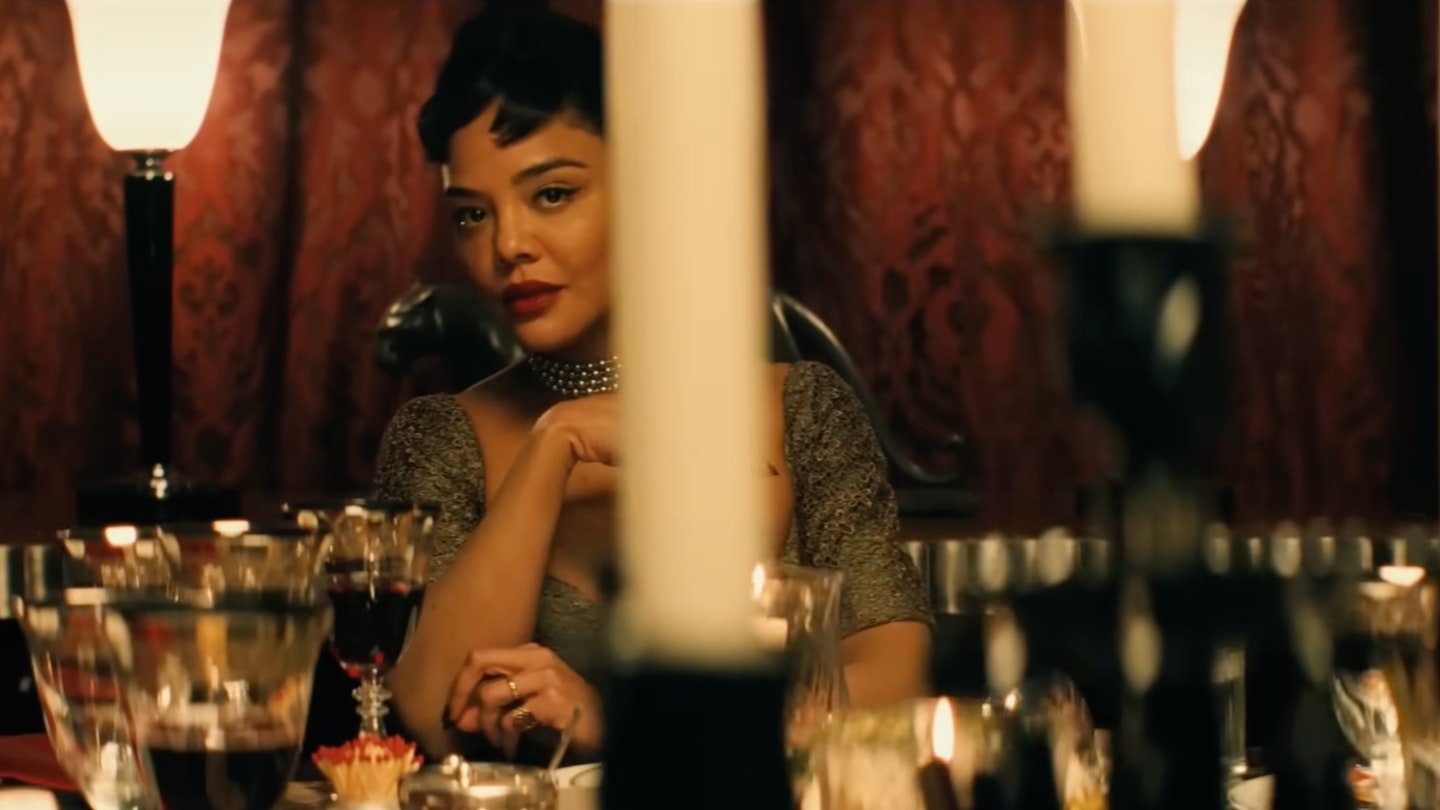
There have been numerous productions and adaptations of playwright Henrik Ibsen’s Hedda Gabler since audiences were first introduced to who many have called the ‘female Hamlet’ in 1891. So, it’s a credit to writer-director Nia DaCosta – directing her first non-studio film since her 2018 feature debut, Crossing The Line (originally titled Little Woods) – that this telling of the story feels entirely her own. Anchored by a terrific Tessa Thompson performance, and brimming with sapphic, sensual energy, it’s a big, bold swing that mostly connects.
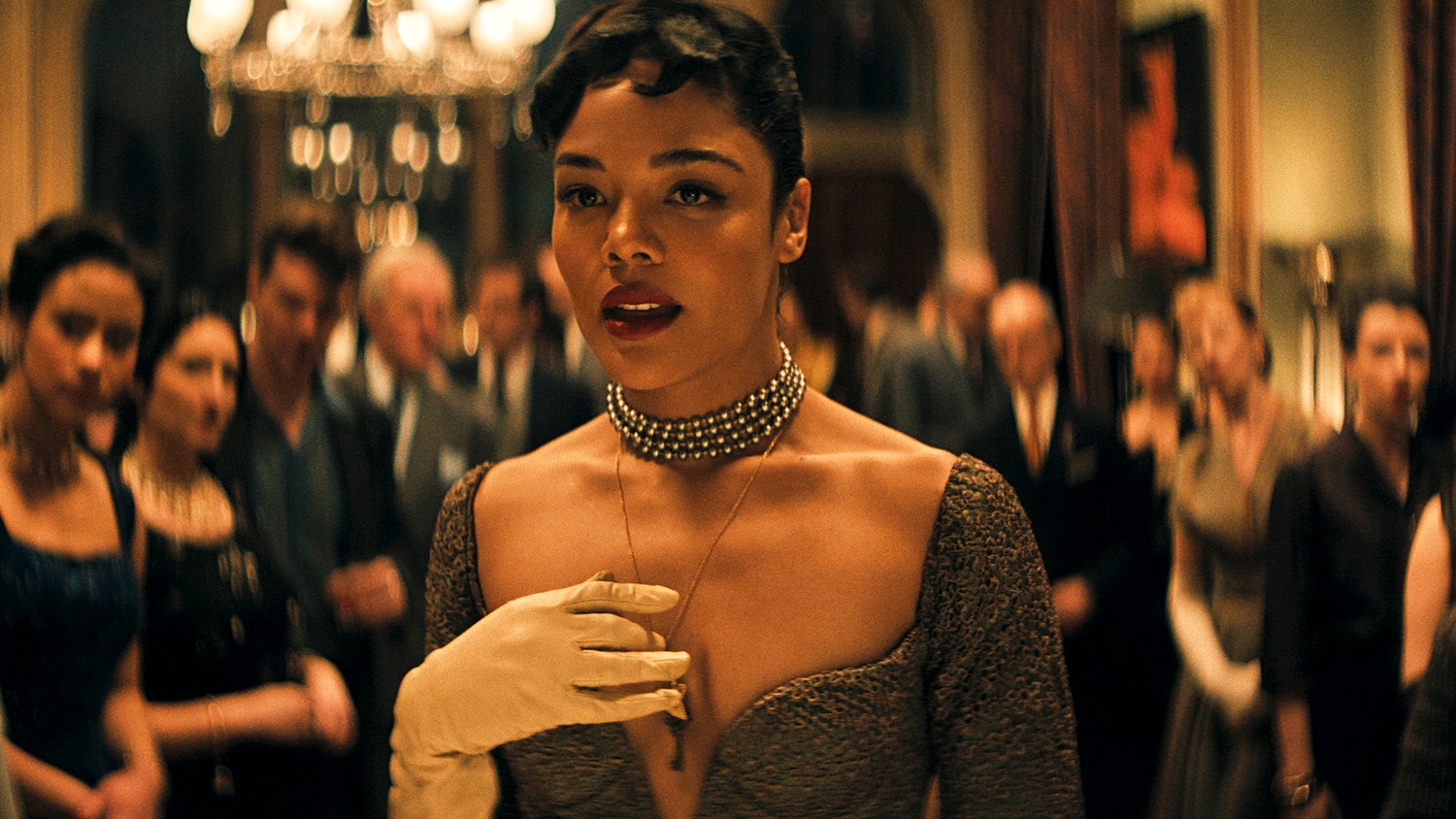
Crucially, none of the updated elements here are just for show. The idea of women being constrained and forced into pre-established roles is embedded into Hedda, and is only heightened by the Blackness and queerness in DaCosta’s version. Not that Hedda is especially bothered by her guests murmuring that their hostess is “duskier than I thought she would be”. She’s too busy manipulating anyone in her orbit, getting everyone to dance to her tune (at one point, quite literally). It’s a pleasure to watch her scheme, and a rare and magnificent sight to see a Black woman being this catty and devilish on screen.
This is an adaptation of a play that manages to avoid feeling too stagey.
Reuniting with DaCosta after Crossing The Line, this is also an amazing showcase for Thompson, who puts in some of her career-best work. It’s a fun, magnetic, scenery-chewing performance, and her subtle but impactful facial expressions are precise in revealing the vulnerability behind Hedda’s mask of control. Also excellent is TÁR’s Nina Hoss as the gender-flipped Eileen Lovborg – she gets one of the best character entrances in recent memory, in which DaCosta perfectly utilises a Spike Lee-esque dolly shot. When it becomes clear to Hedda that Lovborg is up for the same university position that her husband George (Tom Bateman) is after, the film takes a dark turn that feels well earned.
This is an adaptation of a play that manages to avoid feeling too stagey, with a tour of the mansion during the opening credits used as an organic way to give us a sense of the residence’s geography. And while the clever incorporation of breathless chants at key moments in the film is a touch overused, Hildur Guðnadóttir’s score is a percussive delight.
If there is one nit to pick, it’s the framing device. We open with Hedda talking to cops who demand that she explain everything that transpired during the night – but what we then go on to see includes details that she would never reveal to the police. Plus, the opening moments tease a bloody death that would have been much better discovered in real time. Thankfully, once all the unnecessary table-setting is out of the way, Hedda is a total thrill.
What's Your Reaction?