A Desert
The power of the image — photographic, filmic — is a key theme in Joshua...
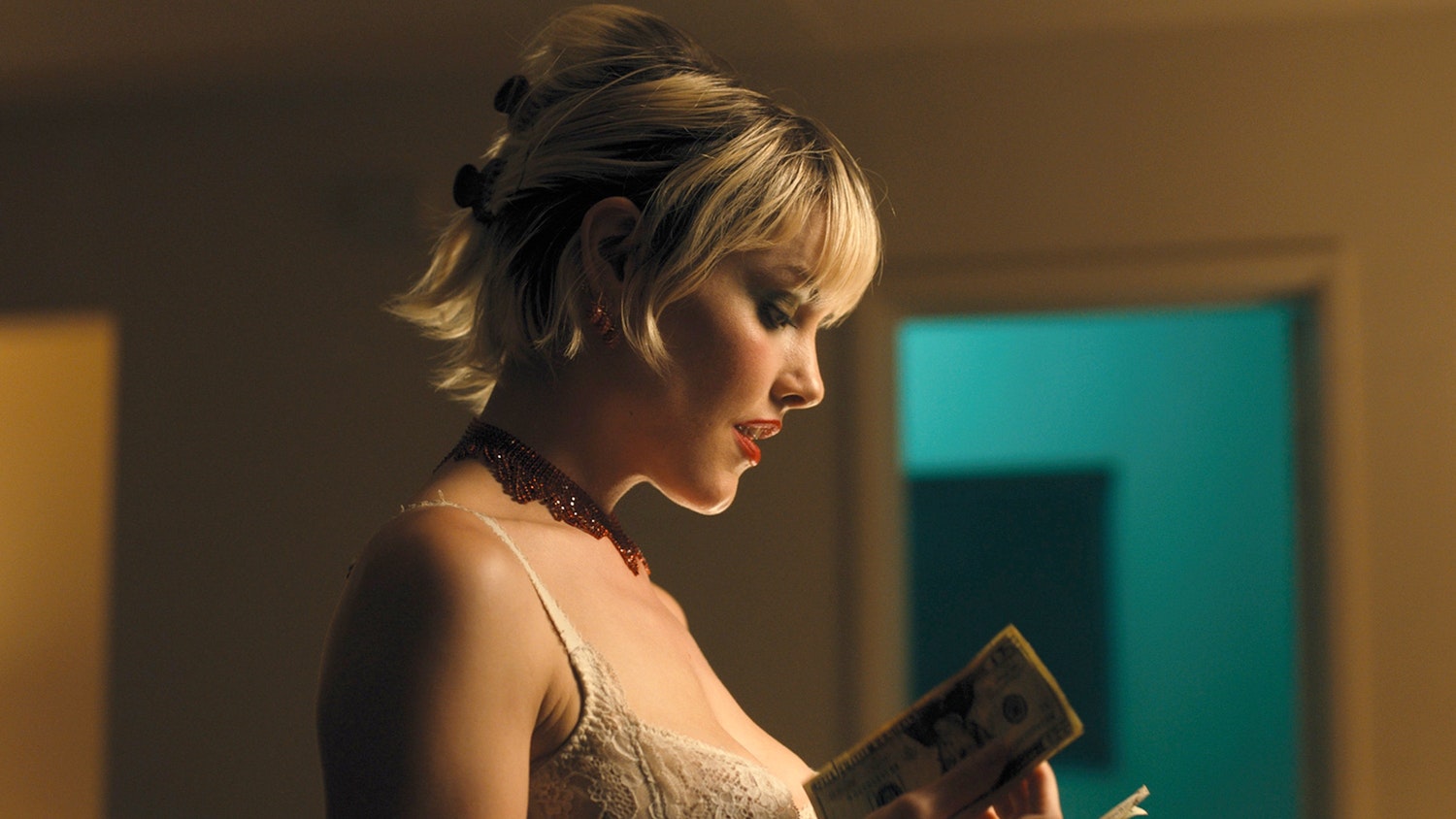
The power of the image — photographic, filmic — is a key theme in Joshua Erkman’s haunting, dread-drenched debut, which knows all too well how (moving) pictures can preserve the past, stir memories and fuel our dreams and desires. For a movie that opens in an abandoned cinema and possesses a strong meta dimension throughout, it’s only fitting that A Desert proves so potent, its mood and meanings impossible to shake.
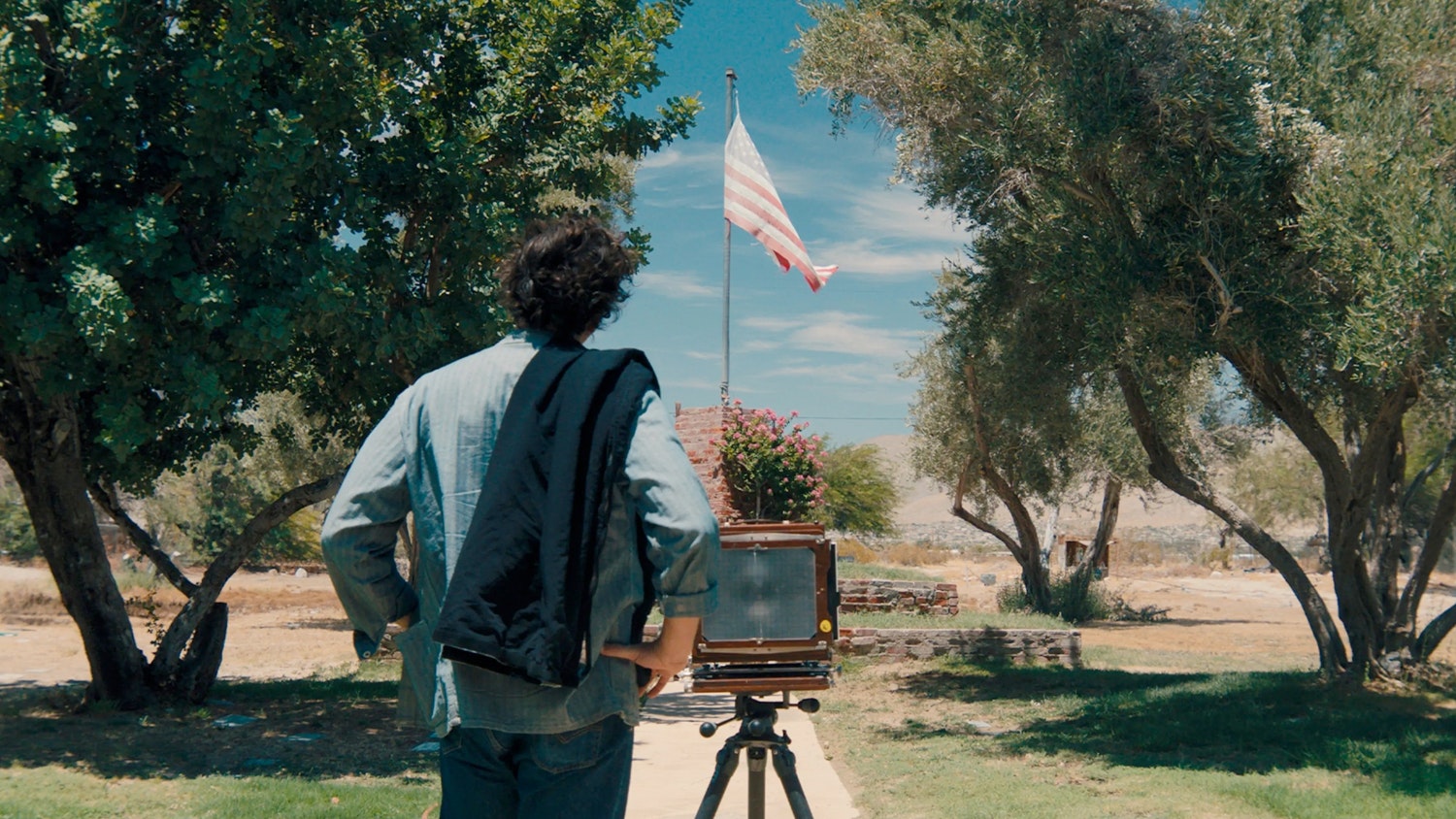
In an effort to recapture his past, picture-book photographer Alex (Kai Lennox) is travelling through the sand-blasted wastelands of southeastern California, snapping pics of discarded housing developments, vacated military bases, fly-blown junkyards, forlorn pet cemeteries and, yes, forsaken movie theatres. He’s holed up in a budget motel when a disturbance in the next room brings brother and sister Renny and Susie Q (Zachary Ray Sherman, Ashley Smith) into the fray. He reeks of danger, she of seduction.
A remarkable low-budget debut by a filmmaker who will hopefully now spread his wings.
What follows prioritises mystery and atmosphere, A Desert veering off the well-travelled roads of cinematic storytelling to present structural detours both thrilling and discombobulating. Into the slow-burn, neo-noir action comes world-weary gumshoe Harold (David Yow) and Alex’s LA-based wife, Sam (Sarah Lind). Together and separately they traverse a desolate desertscape that aches with absence, each poking at an America that’s dead and desiccated. Their every pitstop and eventual destination are mapped out by peculiar patterns and echoes, bizarre contrivances and coincidences.
If that all sounds more arthouse than grindhouse, it is, by and large, though there are moments of grubby violence as abrasive as the stabbed piano keys and wailing strings that comprise the minimalist score. Erkman and his co-writer Bossi Baker consciously reference Hitchcock (Psycho in particular) and Lynch as they play with movie tropes and archetypes, while Sherman channels Hollywood ghoul Charles Manson (with a touch of Wild At Heart’s Bobby Peru) to deliver the most magnetic performance in a movie full of them.
It’s all so impressive that A Desert’s climactic revelation doesn’t feel quite original enough or evil enough to be worthy of the Mephistophelian mysteries that have swirled before. The payoff is of a piece with the rest of the film thematically, and is followed by a head-scratching coda that feels positively cosmic, but it’s the one blip in an otherwise remarkable low-budget debut by a filmmaker who will hopefully now be granted the funds to spread his sleek, midnight-black wings. “It was really creepy,” says Alex when describing his day on a phone call to Sam. He’s damn right.
What's Your Reaction?