Enola Holmes 3
Having brought us one of the darkest, boldest, and most talked-about things to...
Having brought us one of the darkest, boldest, and most talked-about things to hit our screens in 2025, one-shot child-killer series Adolescence, it would be fair to say it came as something of a surprise when Netflix announced that director-writer duo Philip Barantini and Jack Thorne’s next team-up would be on the newest Enola Holmes movie. But while Enola Holmes 3 never threatens to be anything as groundbreaking as Adolescence (which, in fairness, was never its MO), this third instalment in the adventures of Sherlock Holmes’ sleuthing younger sister is far from elementary. For both better and worse.
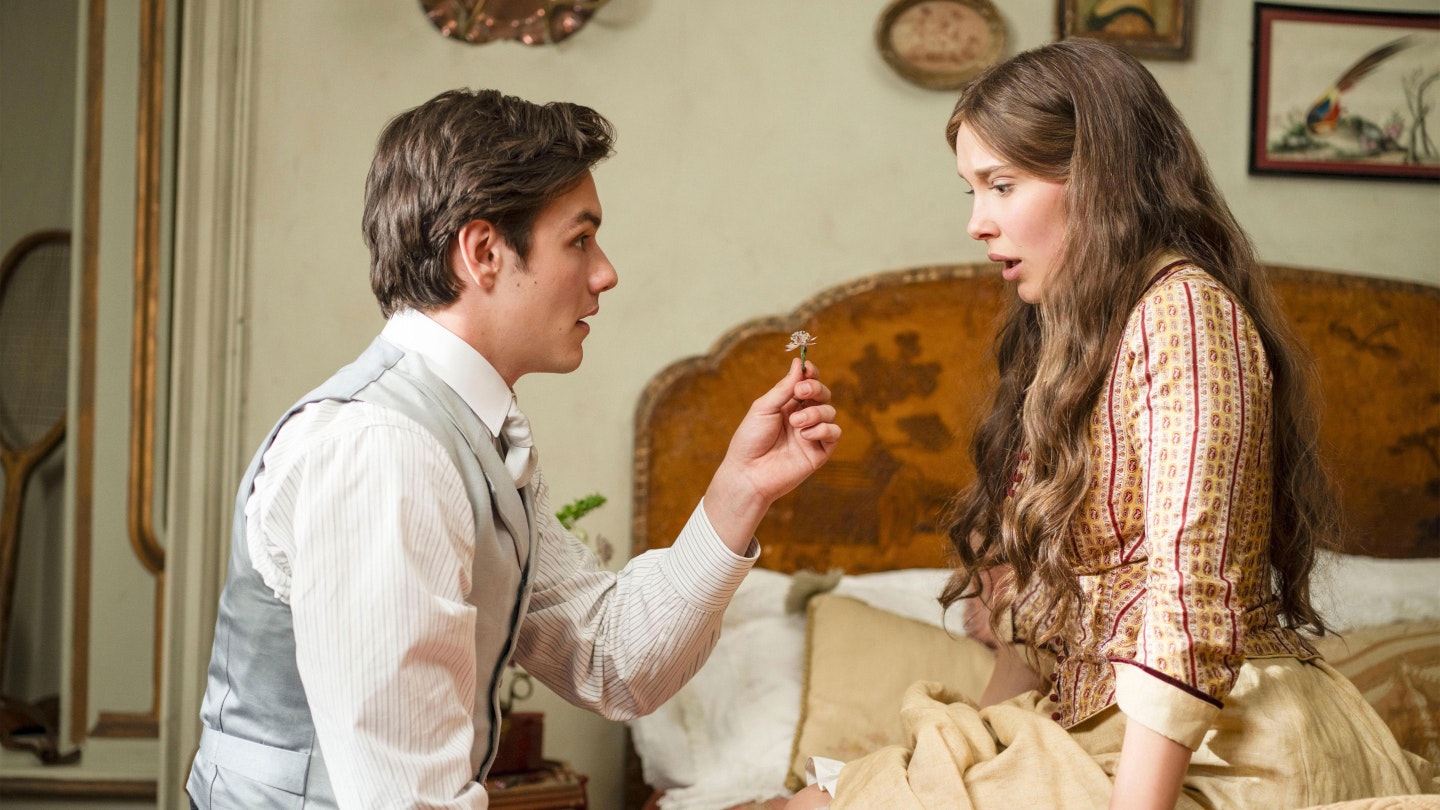
To give a sense of how many plates Barantini and Thorne are spinning with Netflix’s latest dive into the world of Nancy Springer’s wildly popular books, consider this. In the first ten minutes of the movie there is *deep breath* a jailbreak plot, a ‘one year later’ time jump-forward, a ‘some months earlier’ time jump-back, a horse-drawn-carriage chase, both the beginning of a wedding and then the proposal (in that order), the reveal that Henry Cavill’s Sherlock Holmes is missing, and some plot-pertinent exposition relating to the Explosive Substances Act of 1883. Oh, and everyone heads off to Malta for Enola Holmes’ (Millie Bobby Brown) and Lord Viscount Earnest Augustus Tewkesbury’s (Louis Partridge) nuptials. And yet somehow — somehow — this third sister-sleuther caper is nearly half an hour shorter than Enola Holmes 2. (Which, in almost any other circumstance, would actually be a blessed relief.)
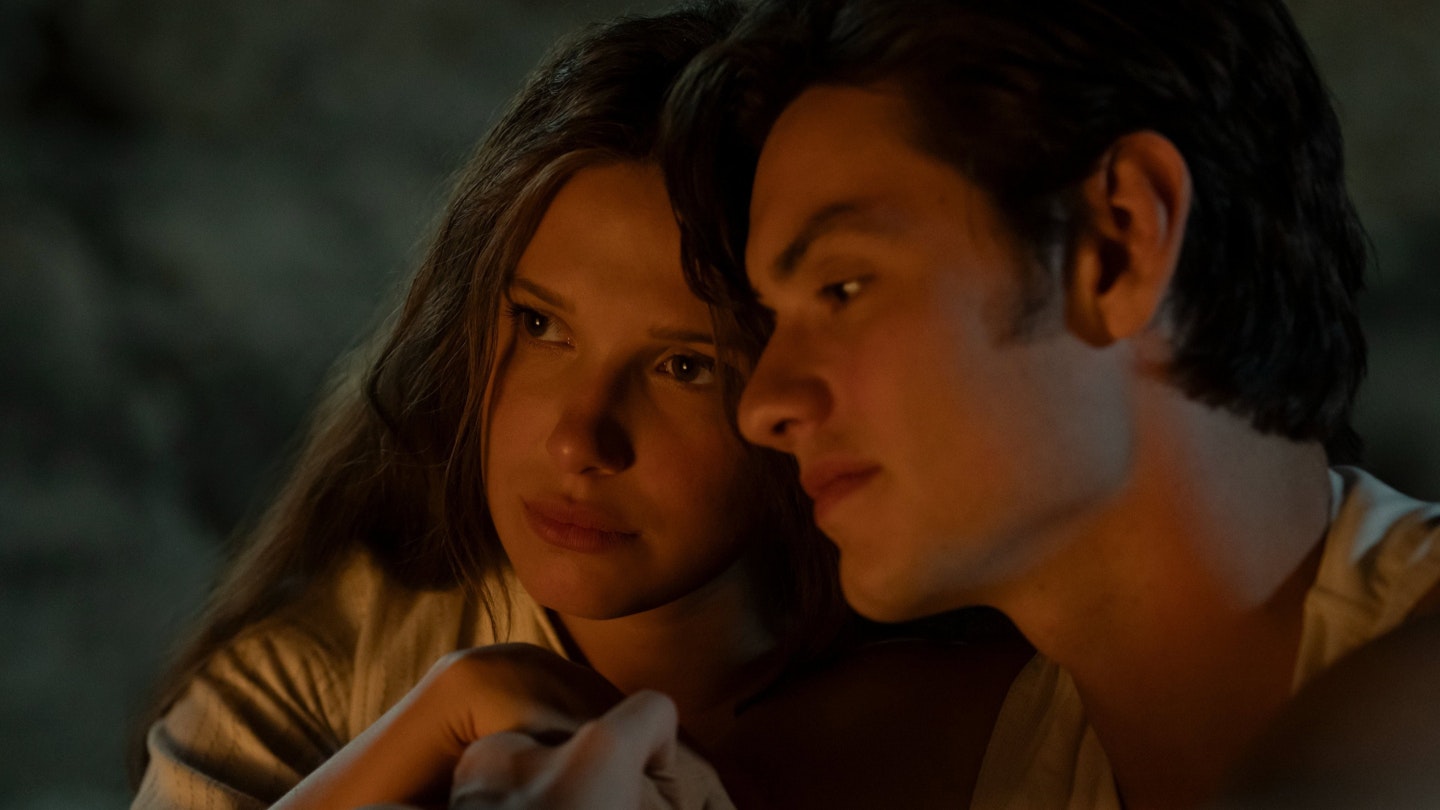
Millie Bobby Brown and Louis Partridge’s chemistry remains as effortless here as it has been from that first film six years ago.
By the time you chuck in a spot of ‘Sins Of The British Empire For Dummies’ courtesy of a band of Maltese freedom-fighters and the return of Sharon Duncan-Brewster’s deliciously well-pitched but ultimately still fairly inert Moriarty, what you end up with is a high-octane adventure that is occasionally breathless, often exhausting, but admittedly never boring.
Working in Enola Holmes 3’s favour right from the jump is the fact that, despite blamelessly both possessing iPhone faces (Google it), Millie Bobby Brown and Louis Partridge’s chemistry remains as effortless here as it has been from that first film six years ago. Sure, Enola and Tewkesbury’s loggerheads-to-lovers love story isn’t really anything new to YA readers, or anyone who’s ever watched a teen romance, for that matter. But there’s a surprisingly rich exploration of co-dependence here — and what marriage may do to Enola’s identity, which she’s struggled so hard to forge — that allows Brown and Partridge to add new steps to Enola and Tewkesbury’s now-familiar dance. A particularly lovely oceanside sequence between the pair, a moment of (re)connection amid the chaos of everything around them, is so sincerely romantic and beautifully played that it’s almost a shame when it ends and the overarching plot kicks back in.
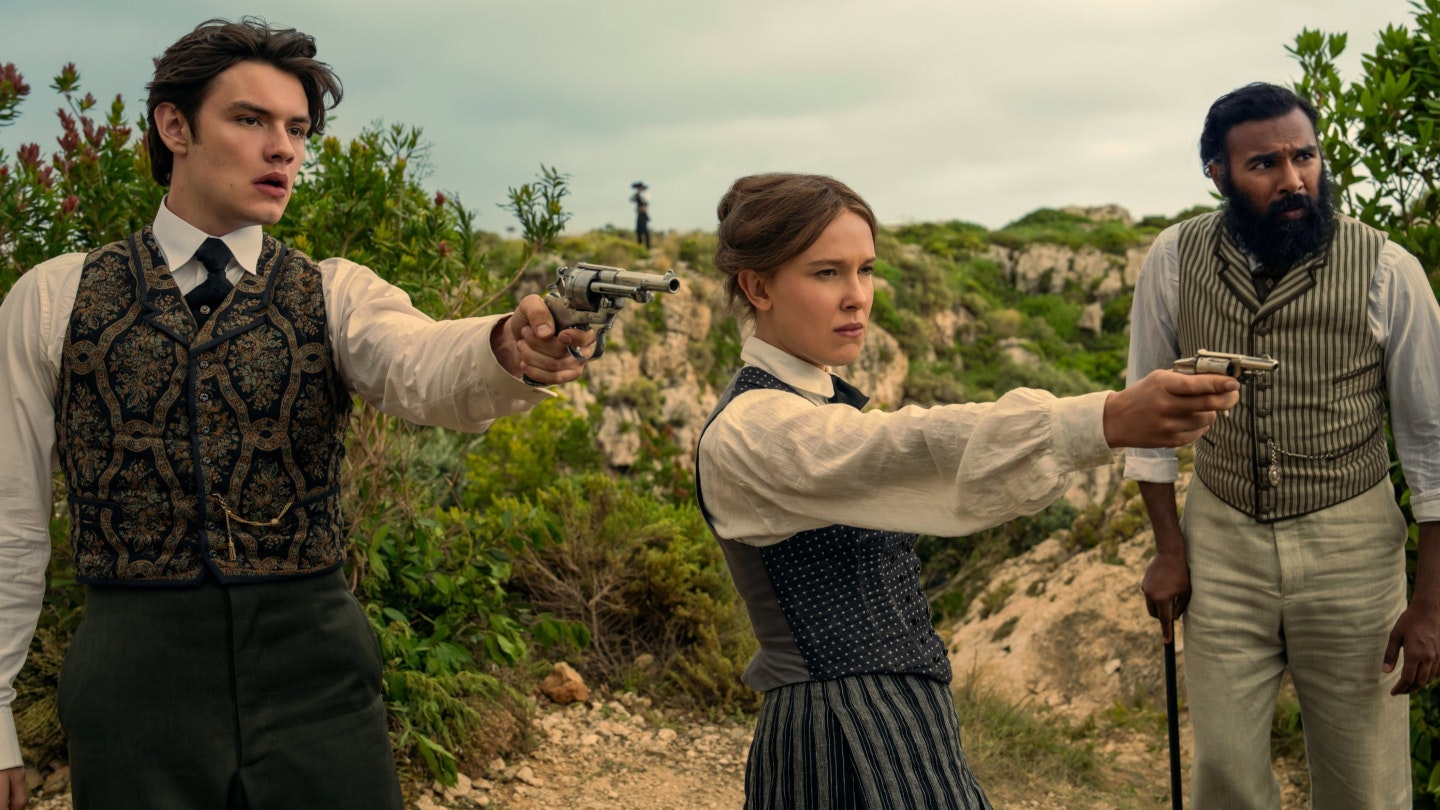
The thing is that there’s actually no shortage of elements to recommend Enola Holmes 3. Costume designer Consolata Boyle has outdone herself with the various incredible fits on display here, all intricately detailed and impeccably tailored finery that's sure to spawn a thousand cosplays. It’s also incredibly well-lit and dynamically shot by Barantini’s Boiling Point and Adolescence cinematographer Matt Lewis. (Seriously, never underestimate the amount of goodwill generated by a bit of decent lighting in the streaming age.) The film’s social commentary — on the legacy of empire (British, not our magazine), on gender and class and the weight of familial legacy — is as well-handled as you'd expect from a Thorne script. And Barantini even manages to squeeze in a couple of signature oners that, though comparatively low-key when weighed against his past works, give this entry a kinetic force that sets it apart from its predecessors.
The actual problem with this third film, then, is simply that it’s just so overstuffed, knotty and overly plotty that it rarely gives itself (or the viewer) chance to take stock and catch breath. There are great moments — the above-mentioned oceanside rendezvous; an unexpected heart-to-heart between Watson (an underused but ever-dependable Himesh Patel) and Tewkesbury; a Maltese-flavoured third-act Mexican stand-off — but they’re bound to a story that constantly feels as if it’s creaking under the weight of its many moving parts. By the time the credits roll, it’s hard to fully remember everything the past 105 minutes have held, let alone make sense of some of it. Still, it’s all fun and game’s afoot while it lasts.
What's Your Reaction?