Wayward
Streaming on: NetflixEpisodes viewed: 8 of 8 Our TVs are no strangers to cults....
Streaming on: Netflix
Episodes viewed: 8 of 8
Our TVs are no strangers to cults. From Netflix documentaries plunging into the darkest corners of humanity to HBO vanity projects dissecting the ideation of celebrity, our retinas have witnessed the full spectrum of fucked-up followings. Enter comedian Mae Martin — whose excellent series Feel Good won hearts by wearing its own so openly on its sleeve — here putting their own spin on this well-trodden genre with Wayward.
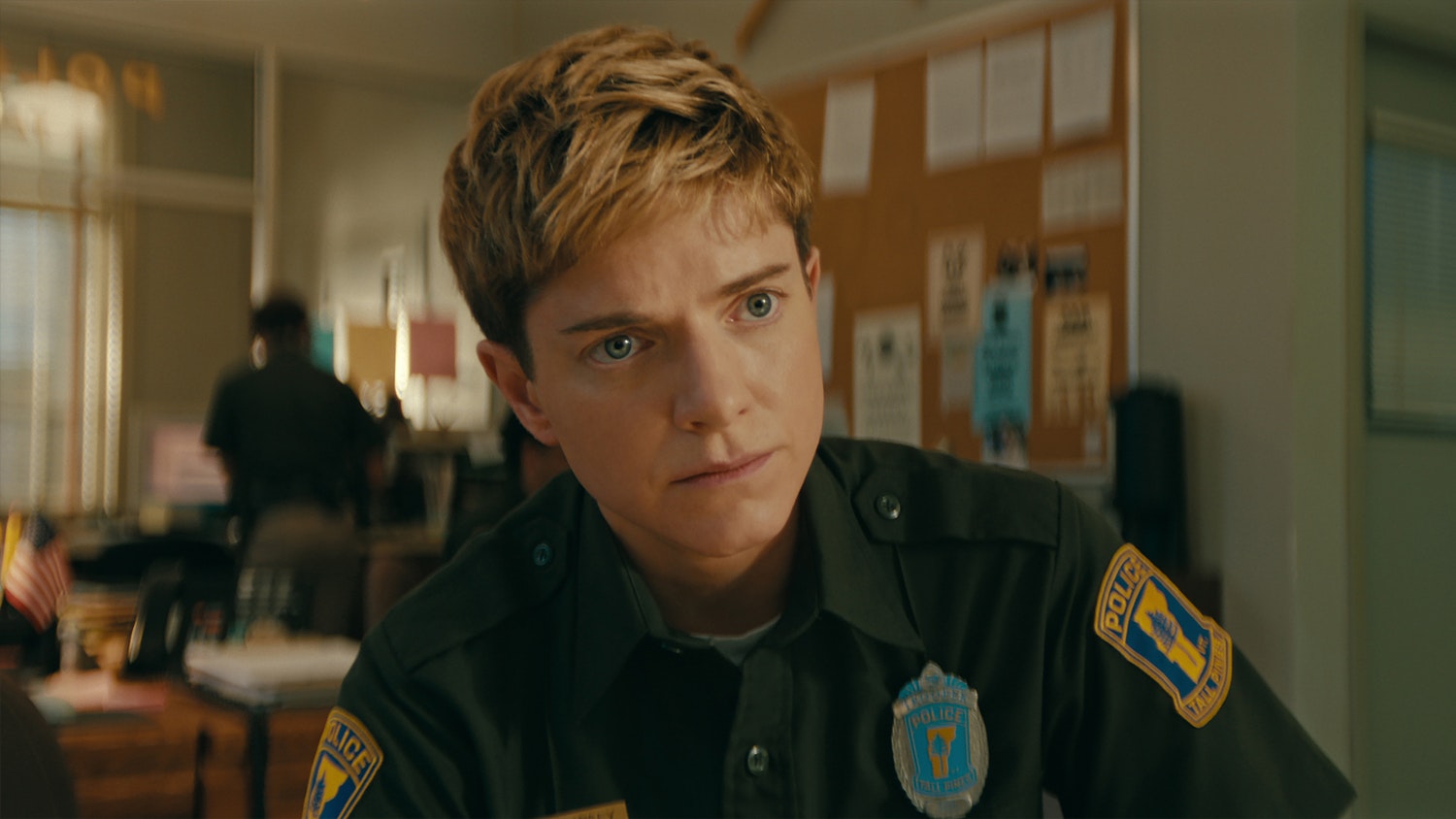
Martin plays Alex, a police officer who journeys into the ominous town of Tall Pines along with his partner and former resident Laura (Sarah Dempsey). With its looming trees, figures in the forest, and red flags practically waving at every corner, it’s initially hard to see how Martin’s take on the story might branch away from the pack. But hang tight, they’ve got a few surprises up their sleeve.
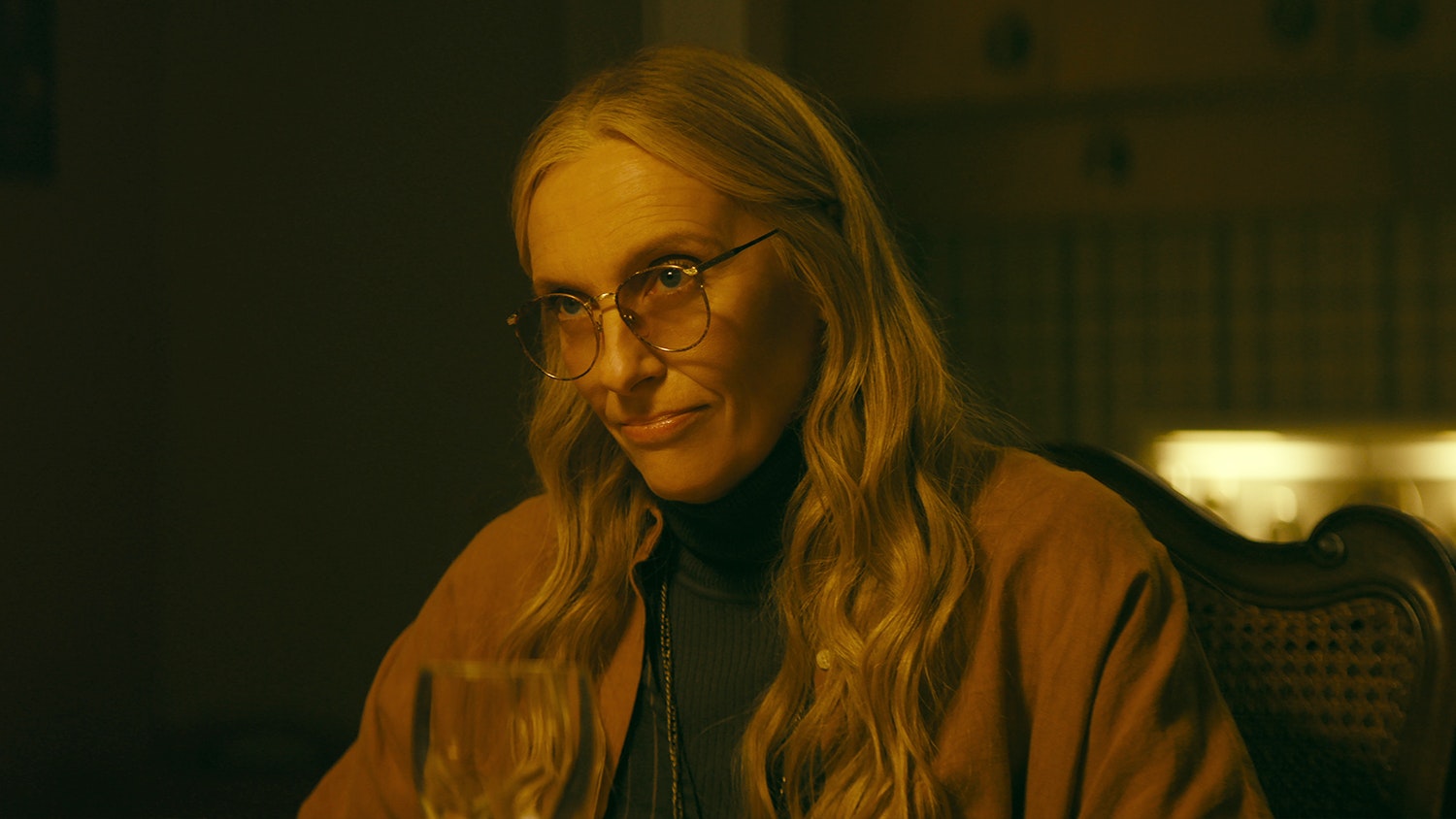
Alongside the couple, we’re introduced to Abbie (Sydney Topliffe) and Leila (Alyvia Alyn Lind), two reckless teens who’ve landed at Tall Pines Academy. They soon find themselves face-to-face with its enigmatic leader, Evylin — played by a delightfully unnerving Toni Collette, with a hint of that “I am your mother” Hereditary energy. It doesn’t take long to realise the academy is less a place of reform and more a toxic prison, creating an environment where both adults and teens can hurl abuse at one another.
It’s in the latter episodes where Wayward’s storytelling truly hits its stride.
While horrors unfold inside its walls, outside we’ve got Martin’s Alex slowly piecing the case together. It’s fairly by-the-numbers detective work and, despite Martin’s usual charm, both their character and Dempsey’s Laura feel a touch underwritten — making it hard to connect with the couple in the same way we do with the show’s misfit band of troubled kids. It’s in the teen drama where the story finds its beating heart, especially through best buds Abbie and Leila: two young, confused souls just trying to figure out who they are — and how to escape — amidst all the chaos.
It’s in the latter episodes (with episode five standing out as a real highlight) where Wayward’s storytelling truly hits its stride. The story branches away from the ‘cult’ of it all and begins to dig deep into the systemic problems of the “troubled teens industry,” exploring not only why some kids have no choice but to conform to the system, but also grappling with how stripping them of their messiness robs them of the chance to truly understand who they are. It’s through sneaking out at night, blasting punk rock music, drinking too much, and all around screwing up that young people stumble their way toward growth. Mae Martin understands this deeply, and the show shines brightest when it approaches its younger characters with this empathic hand (and lets them cut loose and be kids.)
Yet, Wayward has more on its mind than just rebellious teens. It also wrestles with generational trauma, longing for community, and cycles of abuse. Its ambition — with these branching themes and tangled cultural conversations — is admirable. The series stumbles slightly as the finale approaches, struggling to weave all these threads into something completely seamless. Still, despite some early familiar beats, there’s enough freshness and departure from the cult formula to make a trip to Tall Pines well worth taking.
What's Your Reaction?