The Smashing Machine
“We, as humans, sometimes, we lose. What would that feel like?” This is the...
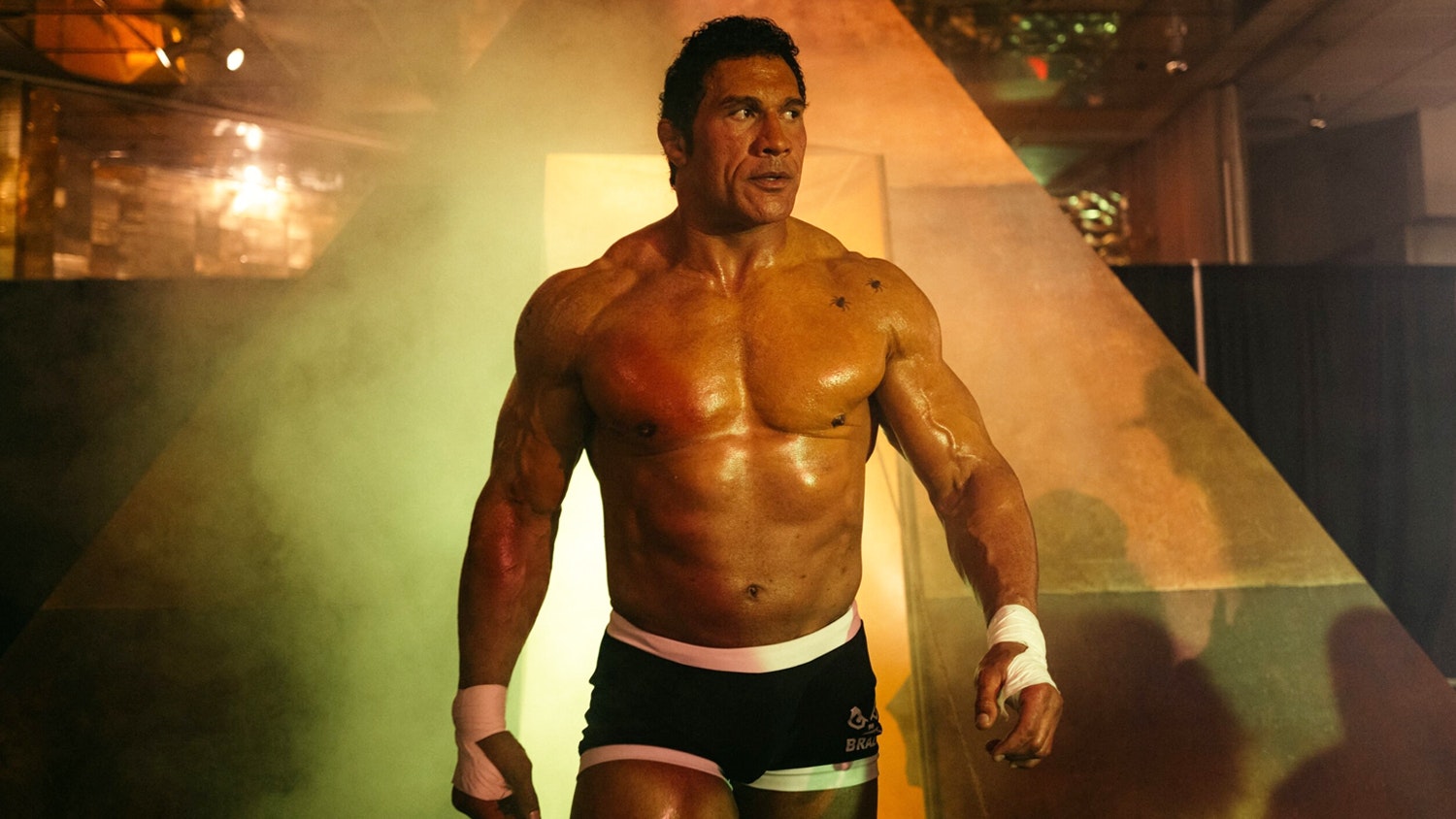
“We, as humans, sometimes, we lose. What would that feel like?” This is the question put to Mark Kerr (Dwayne Johnson) by a Japanese journalist at the beginning of The Smashing Machine. At the time of the interview, the mixed martial artist is undefeated, and the concept of losing seems alien to him. Flummoxed, he doesn’t have an answer.
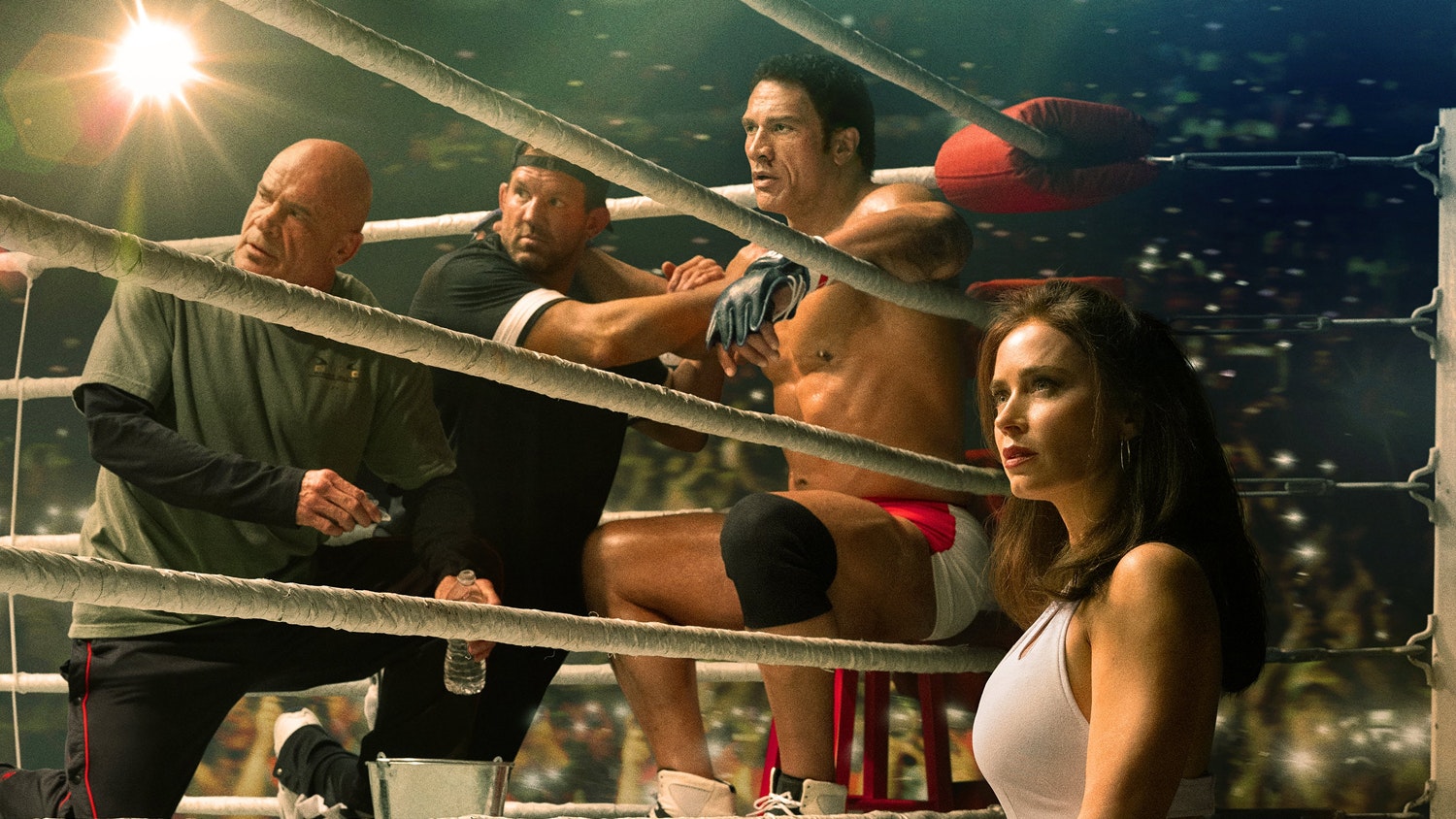
The rest of the movie provides that answer. Set between 1997 and 2000, during the Ultimate Fighting Championship’s wild pioneer years — when rules such as “no eye-gouging” were gradually introduced — it is a story of loss, and learning to lose. It begins with Kerr’s first professional fight, and ends with him broken, rebuilt, and broken again, courtesy of an extraordinary performance from Johnson.
Benny Safdie presents a deeply human portrait of a deeply contradictory figure.
Johnson, too, has been learning how to lose. The world’s most successful wrestler-turned-world’s best-paid actor has taken some punches in recent years: Baywatch earned him a Razzie, while the hierarchy of power in the DC Universe did not, in fact, change with Black Adam. This film feels like a grandly artistic response to his recent career travails, Johnson acting like someone with something to prove, to show what he is capable of when not chasing box-office bottom lines. It is, by some distance, the best work of his career. And that includes WWF SummerSlam 1998.
It is writer-director Benny Safdie (his first feature without his brother Josh) who shepherds him there. With a directing style less skittery than Uncut Gems or Good Time, while still retaining a naturalistic, indie sensibility, Safdie presents a deeply human portrait of a deeply contradictory figure. Kerr is powerful, violent, an opiate addict, but also boyish, gentle, polite. On a plane, he asks to see the sunset; at a fairground, he refuses to go on a ride because he has a dicky tummy, instead opting for a merry-go-round. “I just need you to treat me like a man,” he complains to his girlfriend Dawn (Emily Blunt), after childishly smashing up a door, one of two he destroys in the film.
For her part, Dawn is volatile in her own way, though the dynamic between them is more interesting than her character itself. Blunt is as brilliant as ever, but even Safdie can’t solve the problem of the worried-wife trope, sometimes sidelining her character to soapy outbursts. Occasionally it slips into genre hallmarks — Safdie can’t resist a training montage — but with the help of Nala Sinephro’s elegant, dreamy score (and a gut-punch Bruce Springsteen needle-drop), the film finds another path. This is more complex, sad and authentic than your usual sports-movie fairy tale; like Raging Bull, it finds simple, poetic beauty in the ring and like Rocky, it finds failure meaningful.
What's Your Reaction?