The Rip
This is a very sharp, very tense and, for the most part, tightly constructed...
This is a very sharp, very tense and, for the most part, tightly constructed crime thriller from Joe Carnahan. He’s a filmmaker who made his name with a very strong crime thriller back in 2002 (the excellent Narc), later dabbled in genre action flicks (2010’s The A-Team reboot; 2020’s Boss Level), and now returns to his ground-level, ’70s-esque roots.
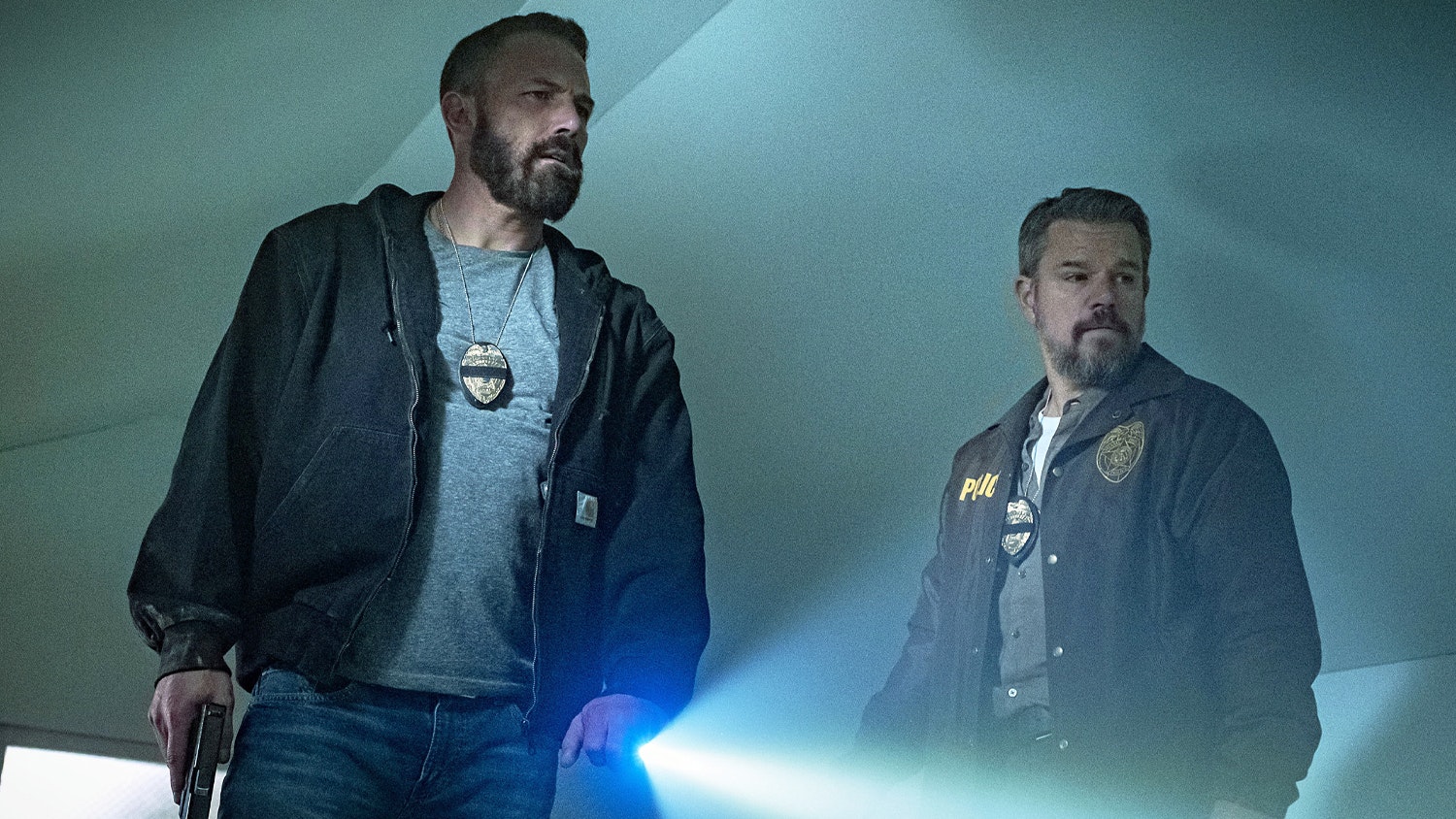
Matt Damon and Ben Affleck — who also produce the film, via their Artists Equity production house — make for fine company in this latest chapter of their long-running double-act. (How do we like them apples? We like them very much.) They play Lieutenant Dane Dumars and Detective Sergeant J.D. Byrne, respectively: tough, tired, bearded cops in the narcotics division of the Miami Police Department. When we meet them, they look worn out from the job, like characters in the The Wire lamenting the lack of real police work, and mourning the loss of their colleague, friend and possible lover, Jackie Velez (Lina Esco), gunned down in a brutal pre-titles sequence. Internal Affairs and the feds are sniffing around, suspecting the killer could have come from inside the department.
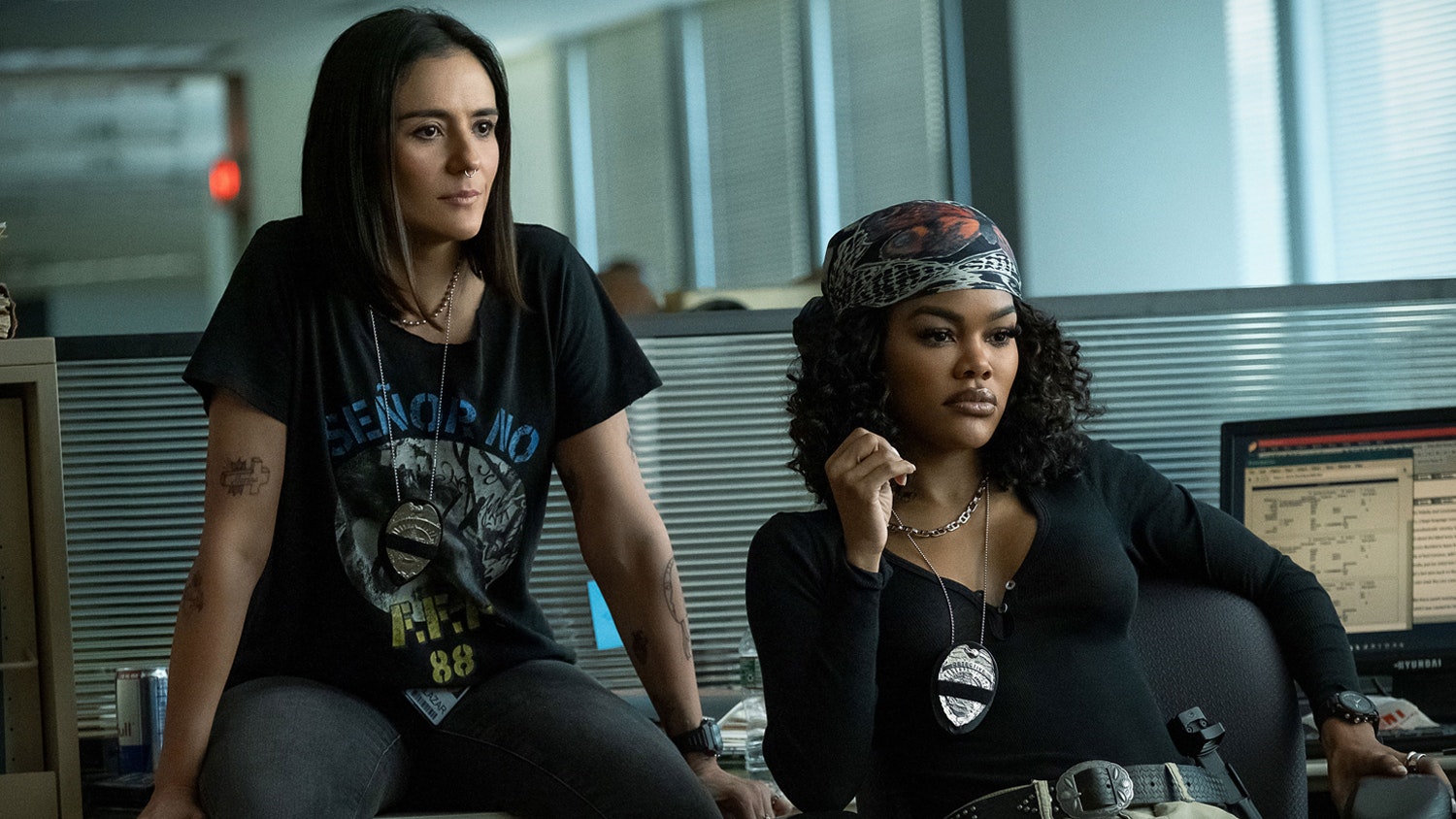
The stage is set for a good old-fashioned meaty potboiler, a cop drama in the Sidney Lumet or Michael Mann mould. When Dumars gets a tip-off regarding a huge stash of drug money in a house thought to be owned by a cartel, he and his team reluctantly investigate, but the proverbial faecal matter soon hits the proverbial air-conditioning unit. Carnahan’s script is nicely twisty and unpredictable, with reveals and flip-flops you’re unlikely to see coming, and he plays it all a little like Assault On Precinct 13 meets The Thing, a deadly siege and all-pervading paranoia looming large.
The moral murkiness is what makes the film so compelling.
That tension is what makes the film, and all the while Carnahan is also intelligent enough to acknowledge that police now hold a different public image from that they enjoyed in the past. “We gotta close ranks,” says Dumars at one point, echoing the sentiment of corrupt cops in real life. In the background, meanwhile, there is chatter over powerful police unions ensuring that the bad guys keep their jobs and get reassigned elsewhere.
The moral murkiness is what makes the film so compelling. Who is dirty? Who is clean? How by-the-book will everyone play this? Especially under high-stakes pressure — a literal ticking clock before an army of cartel soldiers arrive with machine guns. Dumars’ hands include tattooed initialisms on his fingers, “A.W.T.G.G.” and “W.A.A.A.W.B.”, standing for “Are we the good guys?” and “We are and always will be”: symbolic of the animating ethical questions that the film poses, but also phrases that take on a different meaning by the end of the film.
It’s too far to say that it loses steam by the third act, but when the reveals finally come, and the suspense is lifted, the great pleasures of the film are not quite as rich; a final mad-dash car chase and lengthy shoot-out feel more generic than everything that’s come thus far. Still, this is strong stuff — not quite rip-roaring, but not far off.
What's Your Reaction?