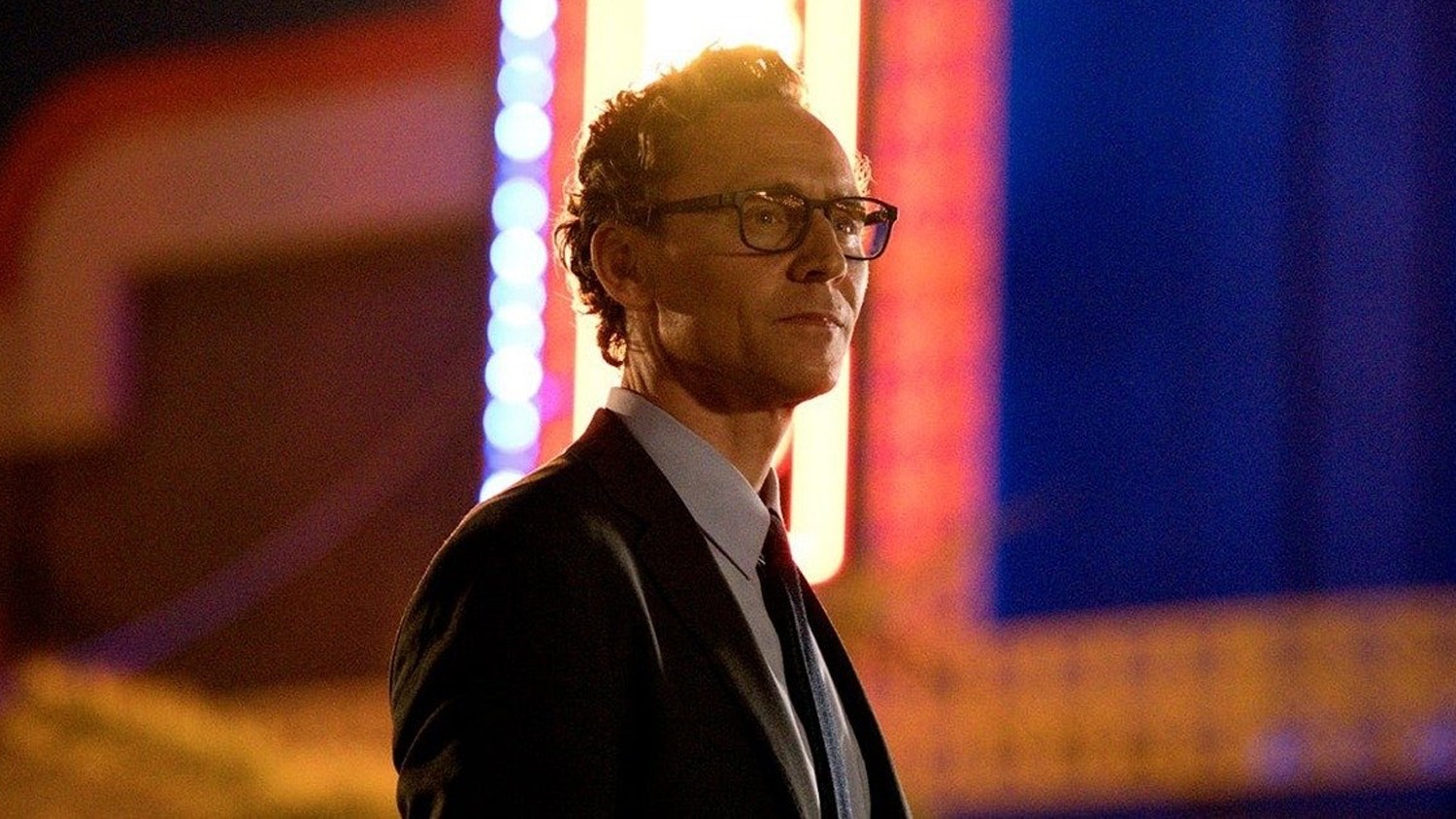
The Mastermind
After the understated Showing Up, director Kelly Reichardt returns to crime; or...
After the understated Showing Up, director Kelly Reichardt returns to crime; or at least, the sort of hapless, half-hearted crime that powered First Cow in 2019 (even finding a small role for that film’s John Magaro). As you might expect, she’s less interested in genre tropes than in the compromises, petty immorality and greed that drive people to engage in schemes for which they are remarkably ill-suited. The result is a crime thriller that wanders away from its own plot and just sits around for a bit, in a way that is odd but not unpleasant.
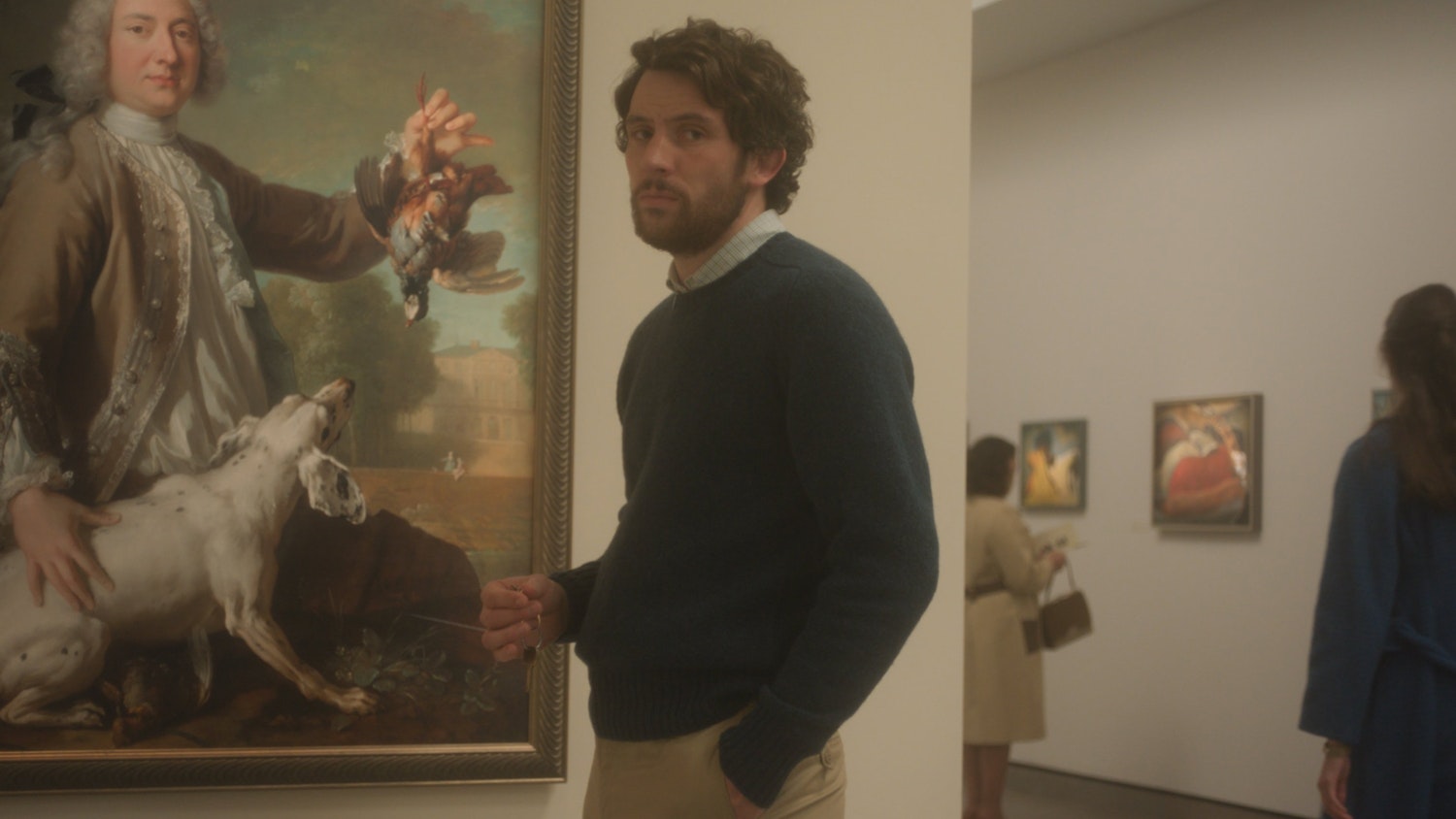
Our mastermind here – and the title is used very much with a wink – is Josh O’Connor’s James Blaine ‘J.B.’ Mooney, a family man and struggling architect who conceives of a scheme to rob his local art museum of several paintings. He’s scoped out the security system while on visits with his family, and thinks he knows how to sell his ill-gotten gains. It turns out, however, that he has been wildly over-optimistic about his own abilities, and his schemes quickly begin to fall apart.
Reichardt swerves away from traditional beats and just wanders a little.
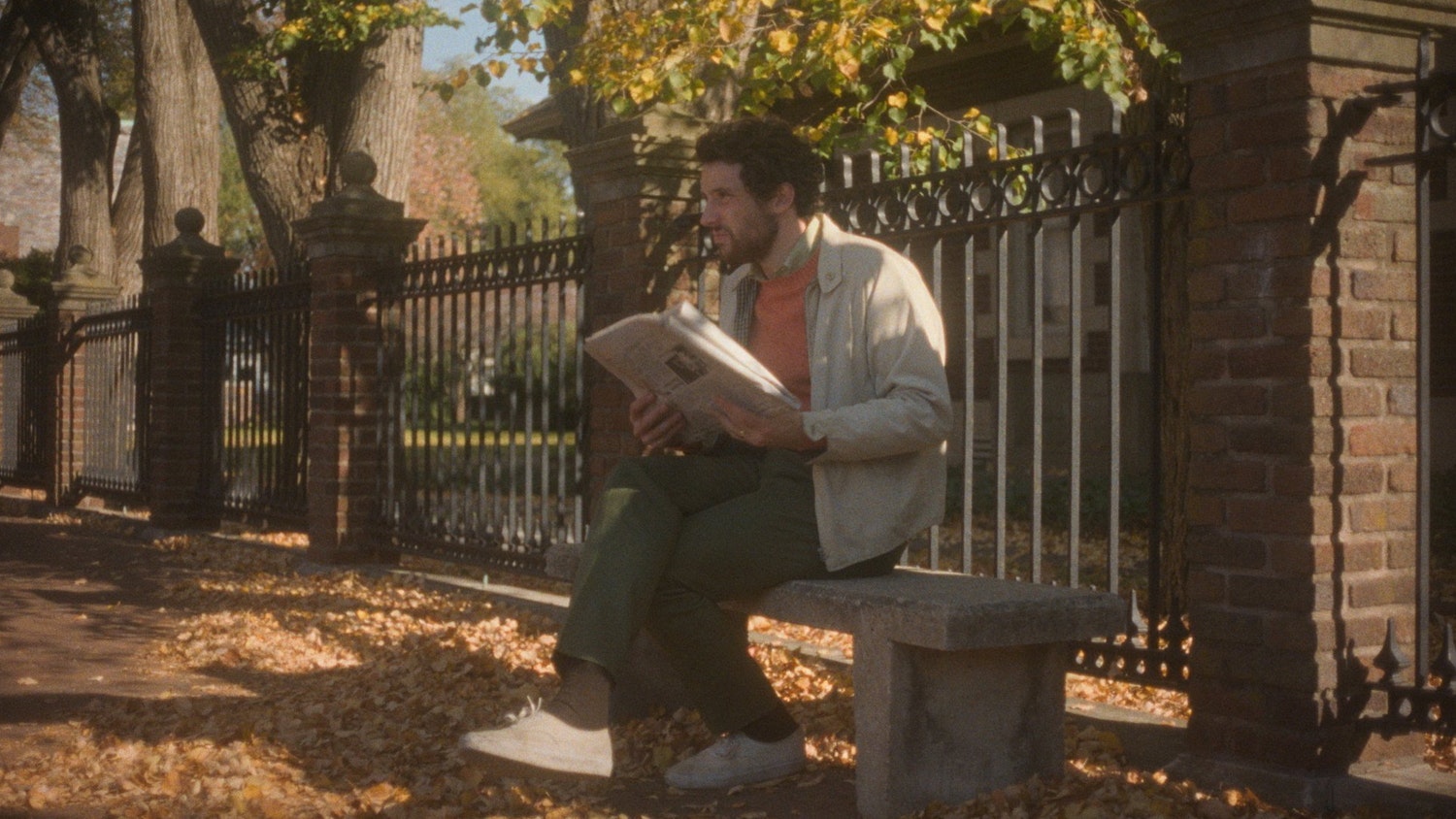
It’s inspired by a 1972 robbery at the Worcester Art Museum in Massachusetts, and this is similarly set among the leafy suburbs of New England. You can almost see how J.B. thinks he can outwit the authorities in such a sleepy environment, and how his half-assed preparations seem like they’ll be enough. But after an initial flurry of activity towards his goal, Reichardt becomes more interested in what a man does as it all unravels. How does it feel to be on the run without a particularly clear goal, and how far will J.B. go to escape his own choices?
The period detail is beautifully done, and the autumn colours mesh perfectly with the ’70s style to create a sense of nostalgia, but there’s something melancholy about this even when it’s at its most playful. O’Connor is excellent at conveying J.B.’s impotent desperation – though the rest of the cast are less well served (particularly Alana Haim as wife Terri). But every time you get invested in J.B.’s success – or, at least, his escape – Reichardt swerves away from traditional beats and just wanders a little, sometimes enough to try the patience of even a keen viewer. By the time an ending abruptly slams into place, you may be more than ready – and yet Reichardt’s characters and their hopeless attempts to thrive in an unjust world still linger in the mind.
What's Your Reaction?