The Chair Company
Episodes viewed: 7 of 8Streaming on: NOW/Sky Comedy It was in 1976 that Peter...
Episodes viewed: 7 of 8
Streaming on: NOW/Sky Comedy
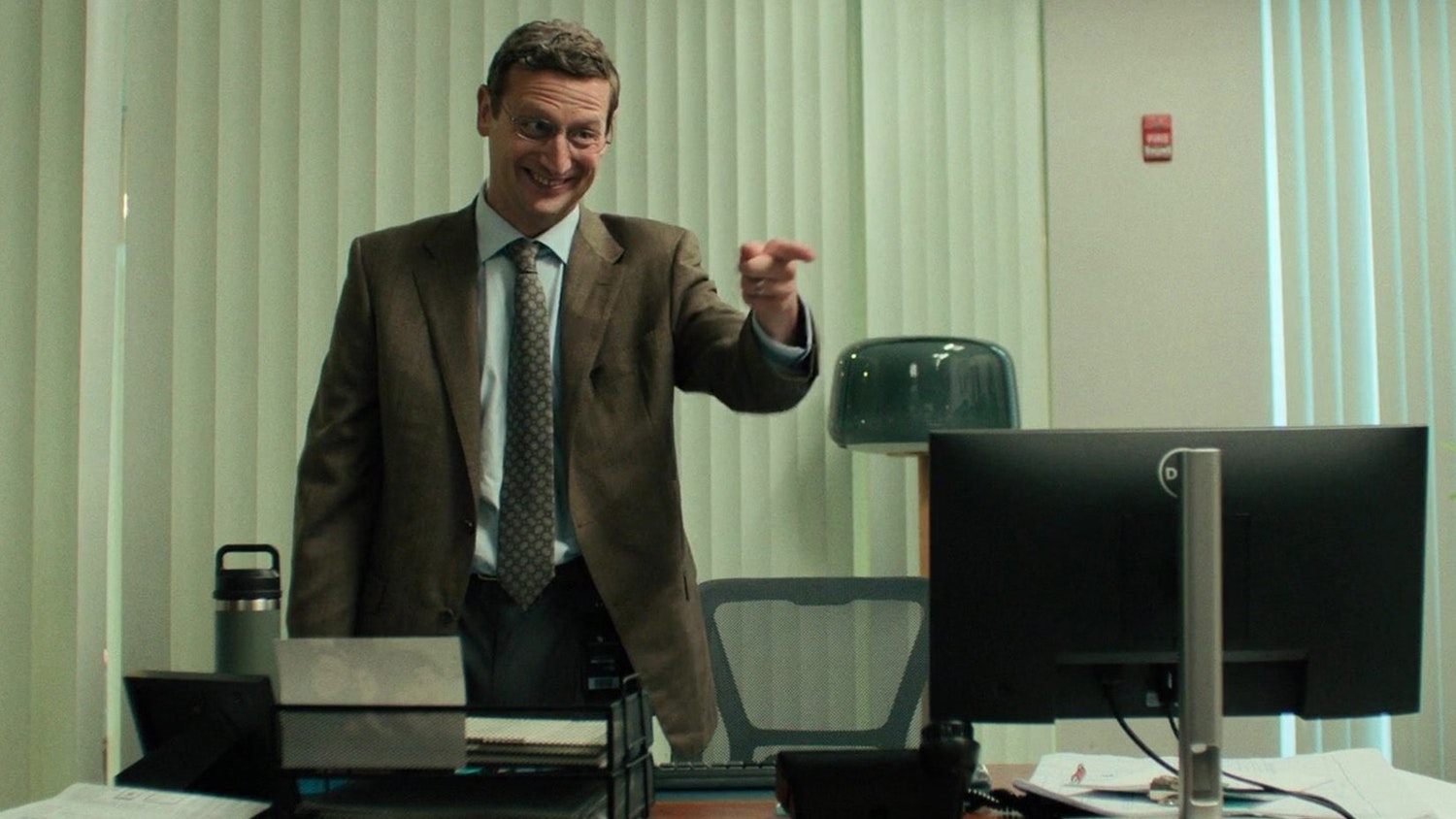
It was in 1976 that Peter Finch’s Howard Beale bellowed out, “I’m mad as hell, and I’m not going to take it anymore!” in Network. Some 50 years later, that raw rage has returned in the form of William Ronald Trosper — a middle-management family man who, after falling backwards on his chair during a company-wide presentation, becomes incensed by the feeling that he’s a pawn in some bigger evil scheme.
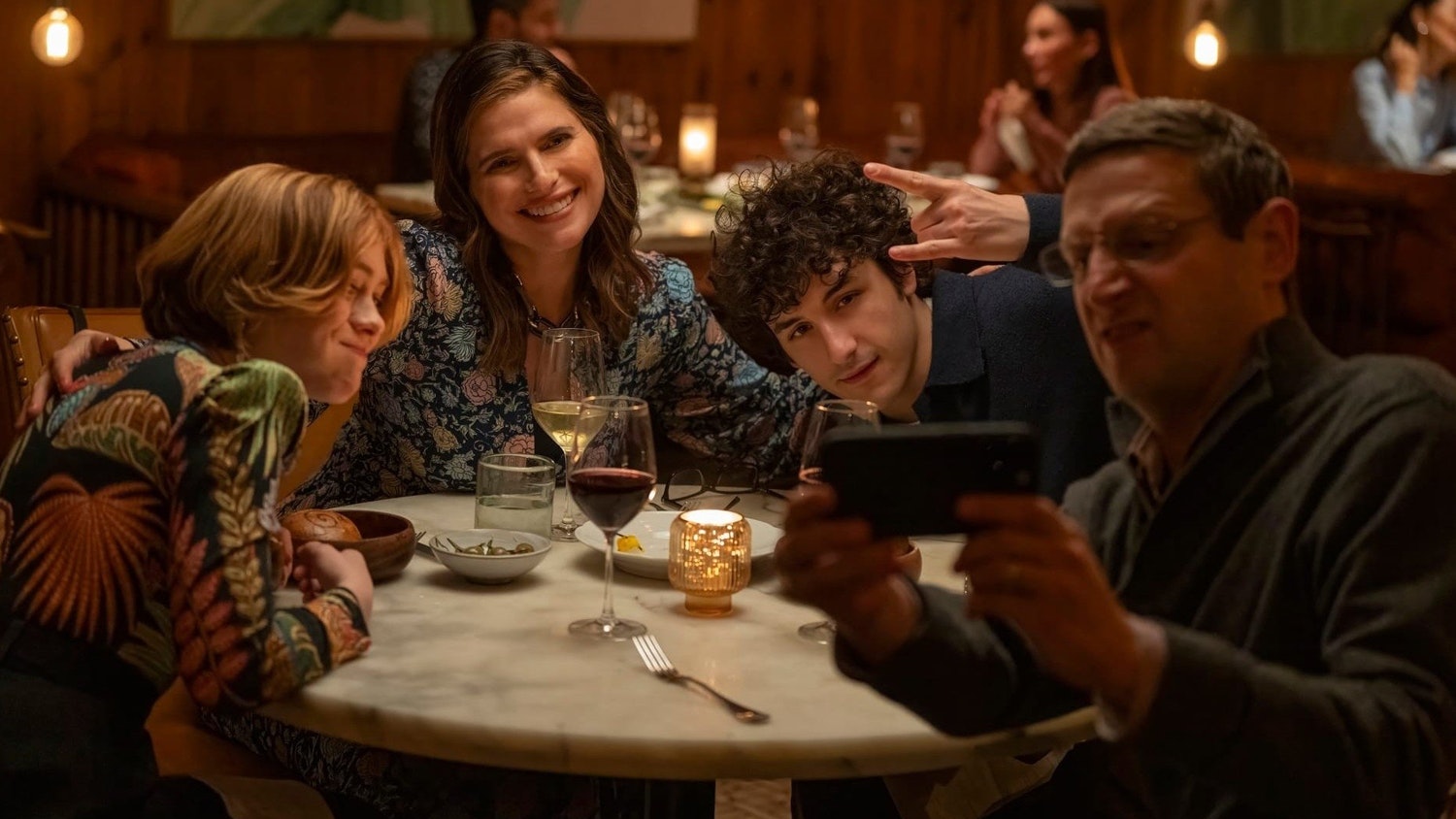
Ron is co-created and played by Tim Robinson, a comedian whose singular brand of humour is fuelled by a one-two punch of humiliation and defiance. Watch but five minutes of his sketch-comedy series I Think You Should Leave and you’ll find characters flailing in common social situations (holiday parties, work meetings) and yet refusing to abandon ship, no matter how ridiculous and/or horrifying their situation has become. It’s a formula that is stretched to excruciating lengths in Robinson’s feature Friendship — about a pal-less suburban dad desperately trying to befriend his neighbour (Paul Rudd) — and with this eight-episode season he’s granted even more room to play in, for both our pain and pleasure.
One of the year’s most bracingly hilarious shows.
Cooked up with his ITYSL partner Zach Kanin, The Chair Company feels notably darker than Robinson’s previous fare. Ron’s suspicions of subterfuge lead him down a grim and fascinating rabbit hole peppered with oddballs, played by a delightful array of unknown and distinct character actors who nail the show’s strange dialogue and violent undertones. It’s also fantastically well-made, especially during its nocturnal sequences, with a nerve-shredding score and frantic, bordering-on-aggressive camerawork.
At the root of the chaos, Robinson is a force. While this isn’t drastically different to the desperate, eccentric roles he’s played before, here he is certainly more relentless, mining a seemingly bottomless reserve of angst while maintaining an almost bewitching, stunted physicality. Ron has no reason to mirror Peter Finch’s anger; there’s no political or societal motivations for his prolonged fury. He’s just a middle-class man looking to blame someone for a fleeting blunder. As the series rolls on, it becomes clear that Ron is, in fact, onto something. But it’s his quest for vindication, over the vindication itself, that’s so satisfying. Which is to say that this is one of the year’s most bracingly hilarious shows, by a long way.
What's Your Reaction?