The Carpenter’s Son
The apocryphal gospels of the New Testament — ancient texts from early...
The apocryphal gospels of the New Testament — ancient texts from early Christians telling the story of Jesus, since deemed non-canonical by the church — are mad. These now sacrilegious narratives whisper tales of talking donkeys, necrophilia, worms pouring out of King Herod’s mouth, St John banishing bed bugs, a wand-waving Jesus Christ who once brought a roast chicken back to life (which then went on to live for a thousand years) — and a Virgin Mary whose vagina could roast human flesh. All were at various points worshipped as the Truth.
Such ripe texts would make ample cinematic fodder — it’s a wonder they haven’t already been widely adapted — and it is such apocrypha that forms the rough basis for The Carpenter’s Son, which recasts the non-canonical Infancy Gospel of St Thomas in a supernatural folk-horror light. It’s a beguiling starting point, recasting the (often quite cuddly) Christmas story and the lesser-known childhood years of Jesus into something darker and nastier. But it ultimately promises more than it can offer.
First-time writer-director Lotfy Nathan certainly summons a decent mood and atmosphere. Our story begins, as a title card grandly proclaims, in “Anno Domini”, the year of our lord, with ‘the Boy’ we understand to be Jesus — he is only ever credited as ‘the Boy’ — born to ‘the Mother’ (FKA twigs) in a stable, while ‘the Carpenter’ (Nicolas Cage) watches on. They quickly escape the tyranny of Herod’s Massacre of the Innocents, and we watch in horror as babies are graphically burned alive on a fire. Nativity 3: Dude, Where’s My Donkey?, this ain’t.
It never quite pays off, never going as buck-wild or iconoclastic as it could have done.
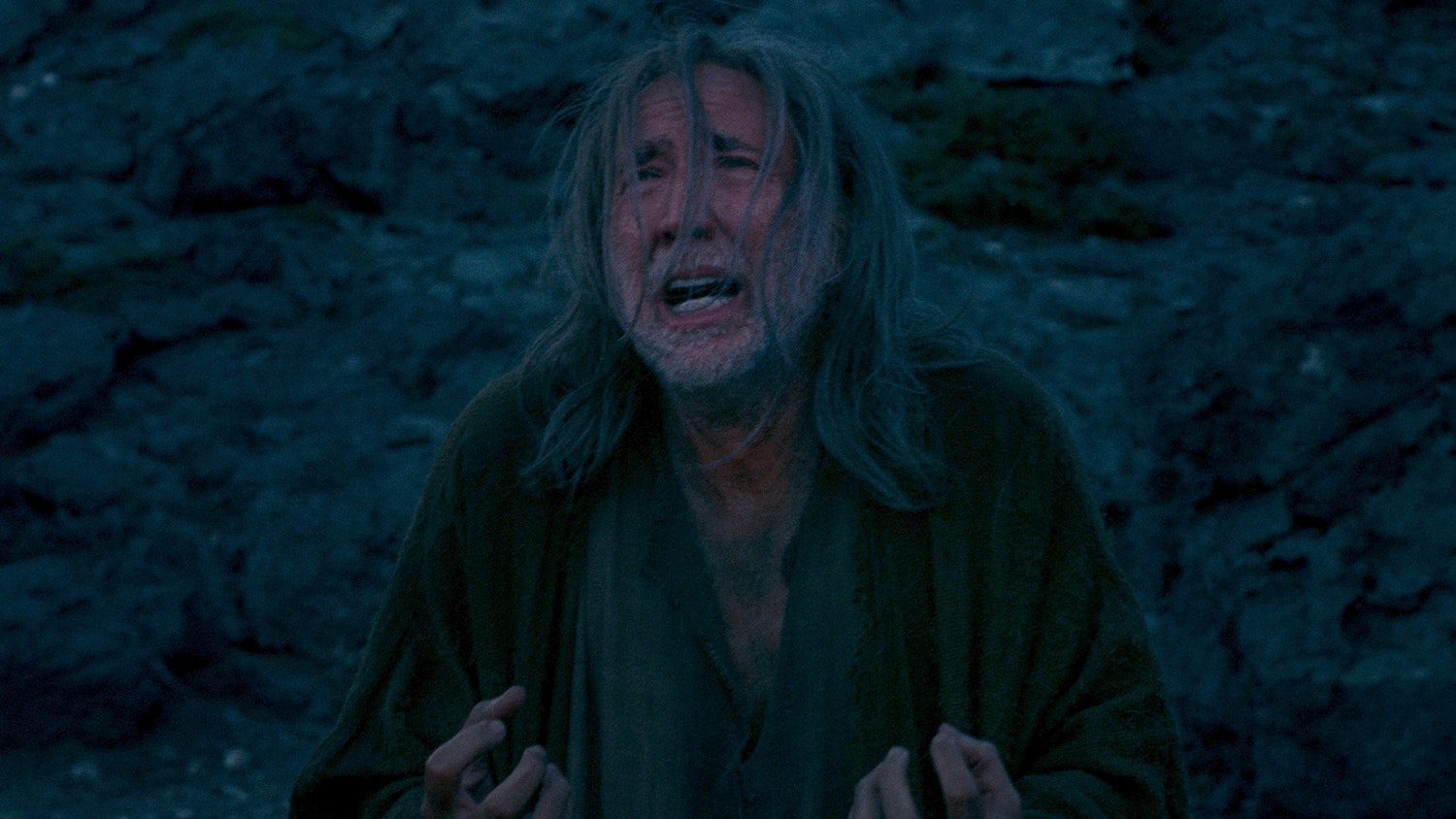
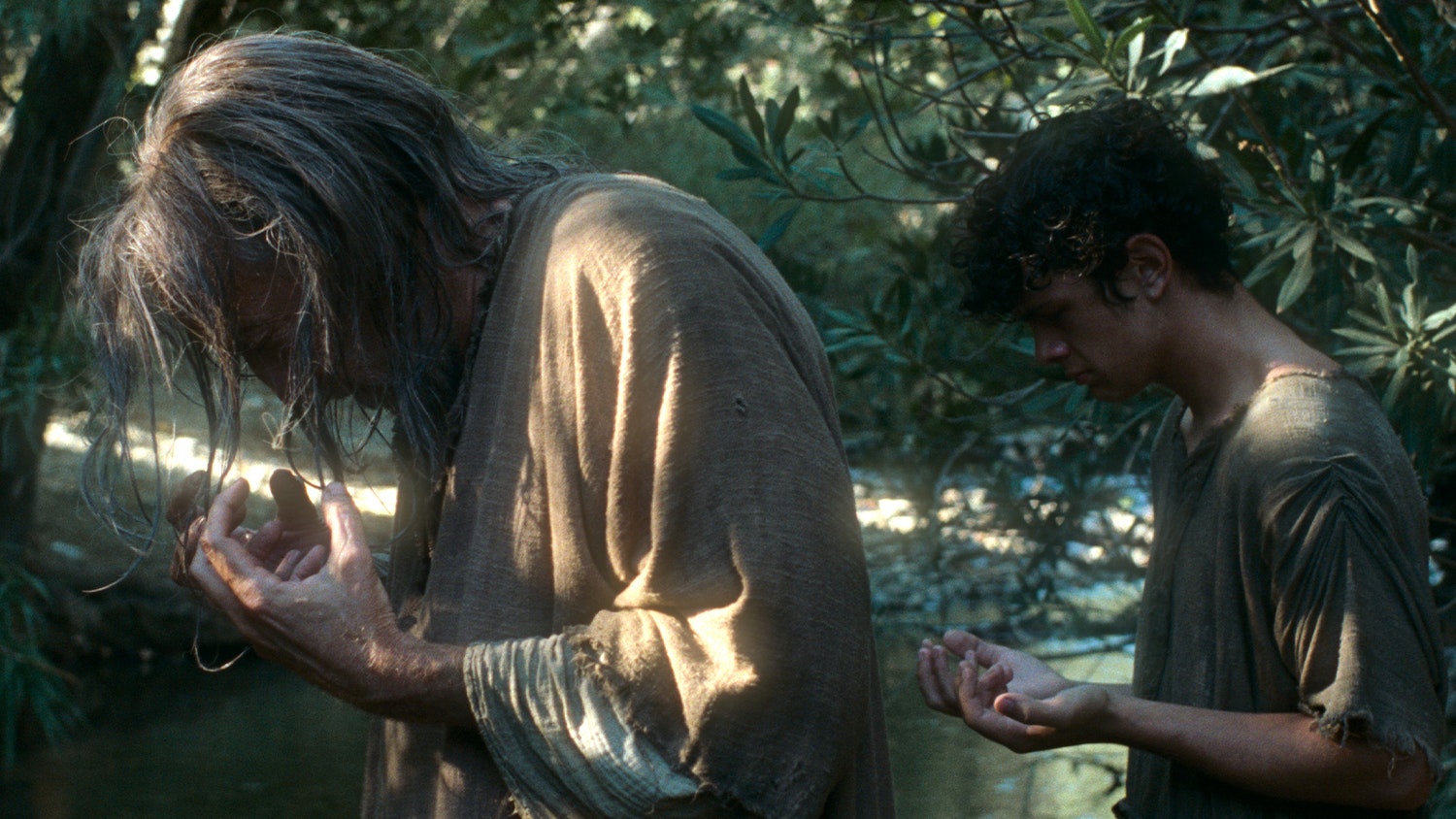
Then we cut to AD 15. Jesus, Joseph and Mary now live a hardscrabble life among olive trees, always watching their backs. “Calamity follows us,” the Carpenter intones, worrying constantly about his faith in his possibly messianic son. “He bears a power I do not understand,” he says, sounding like Superman’s dad. From under an Alice Cooper-esque wig, Cage plays his Joseph like a prayer-demanding drill sergeant, bringing his usual level of commitment and intensity, but without some of the shades or nuance of his better recent work.
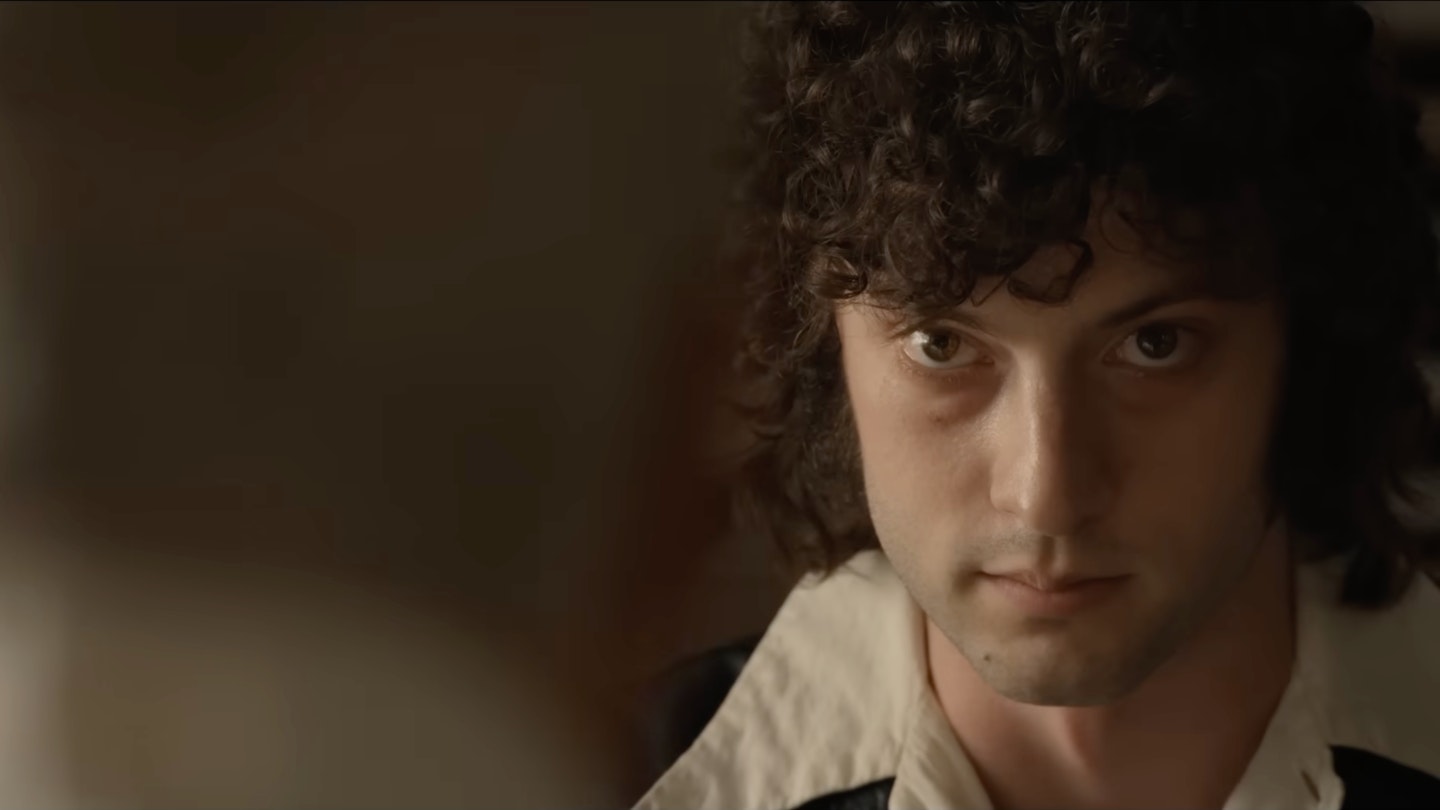
Pity poor FKA twigs, meanwhile, whose Mother is pushed to the sidelines, and is practically dialogue-free. Steadfast in her faith — and bearing a mystical dyad-in-the-Force connection with her son — she is lumbered with the same expression throughout, in a thankless role which seems mostly uninterested in her. The Boy (Hamnet’s Noah Jupe) fares a little better, a moody hormonal teenage Christ still discovering and grappling with his power, while being tempted by Satan (pronounced here to rhyme with Catan, as in Settlers Of) and having premonitions of a crucifixion to come.
It all feels strange and uncanny, and quite apart from the usual Christian retelling of this well-told story, uglier and grimmer than anything that’s come before it. But it never quite pays off, never going as buck-wild or iconoclastic as it could have done. The most surprising thing Jesus does here is impulsively kill a small boy, and even that feels accidental at best. Much of the weirder miracles of the Infancy Gospel of St Thomas — Jesus turning disbelievers blind, stretching beams of wood to help his dad’s carpentry, bringing toy birds to life — are curiously omitted.
Instead, when some over-enthusiastic lepers start cheering their new messiah, it all inadvertently goes a bit Life Of Brian. With the latter half shrouded in murky, monotone darkness, the film decides the most interesting thing for this interpretation of Jesus to learn is, erm, forgiveness. Stop us if you’ve heard this one before.
What's Your Reaction?