Springsteen: Deliver Me From Nowhere
Released in 1982, before Bruce Springsteen became a global superstar with Born...
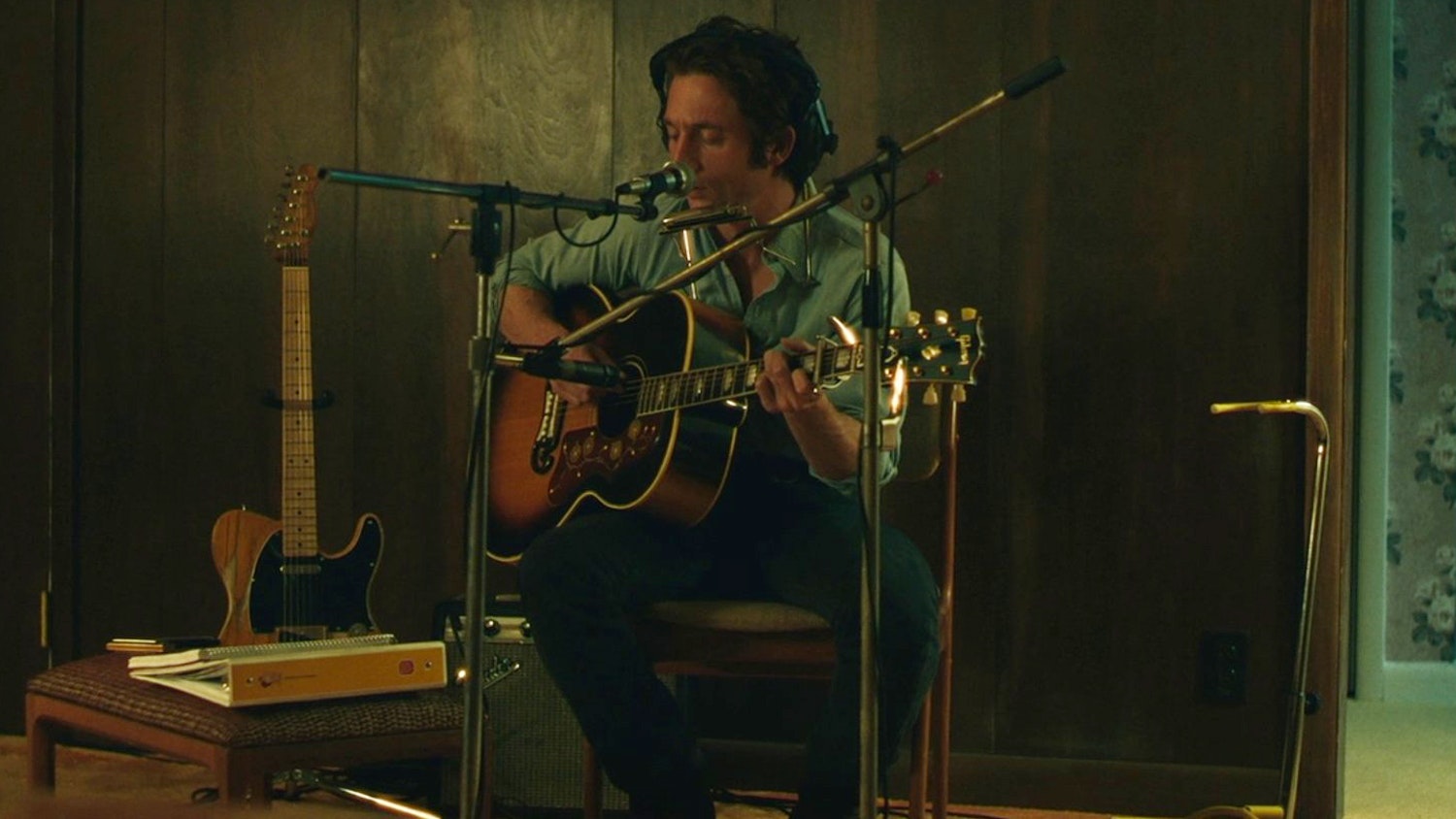
Released in 1982, before Bruce Springsteen became a global superstar with Born In The U.S.A. but after the heartland rocker scored his first Billboard chart-topper with The River, Nebraska is a singular record — a dark, brooding, deeply vulnerable sonic howl into the void from a man trying to learn how to live with the ghosts that haunt him. The greatest compliment that can be paid to Scott Cooper’s Springsteen: Deliver Me From Nowhere — which chronicles the period in which that album was created — is that when it finally gets going, it really does feel like Nebraska. It’s just the getting going that may be off-putting for some.
The start is strong. Cooper’s movie begins with a monochromatic flashback to late ’50s Freehold, New Jersey, where a young Bruce Springsteen (Matthew Anthony Pellicano) is bracing for the latest violent consequence of his blue-collar father Dutch’s (Stephen Graham) destructive alcoholism. Moments later, we are catapulted forward to the final night of The River Tour in 1981, where an adult Bruce (Jeremy Allen White) tears through an electrifying rendition of ‘Born To Run’ with his E Street Band, before hastily retreating to a rental house in Colts Neck, New Jersey, where dark thoughts gather and Terence Malick’s Badlands plays on repeat. Moody, contemplative, psychologically knotty — as introductions to a portrait of a generational artist in transition go, A Complete Unknown this most assuredly ain’t.
Jeremy Allen White manages to find something real in the noise.
It’s frustrating, then, that after a bold opening gambit, it feels like Deliver Me From Nowhere spends much of its first third getting in its own way. Scenes where Springsteen’s producer and concerned pal Jon Landau (an understated, tender Jeremy Strong) tells his wife that Bruce is working on something “deeply personal and dark” repeat what’s already been shown. A flashback to Springsteen looking at a mansion on a hill before writing ‘Mansion On The Hill’ strays perilously close to Walk Hard territory. Elsewhere, a sub-plot involving single mother Faye (an underserved Odessa Young) feels exactly like the composite representation of Bruce Springsteen’s deep-rooted commitment issues that it is.
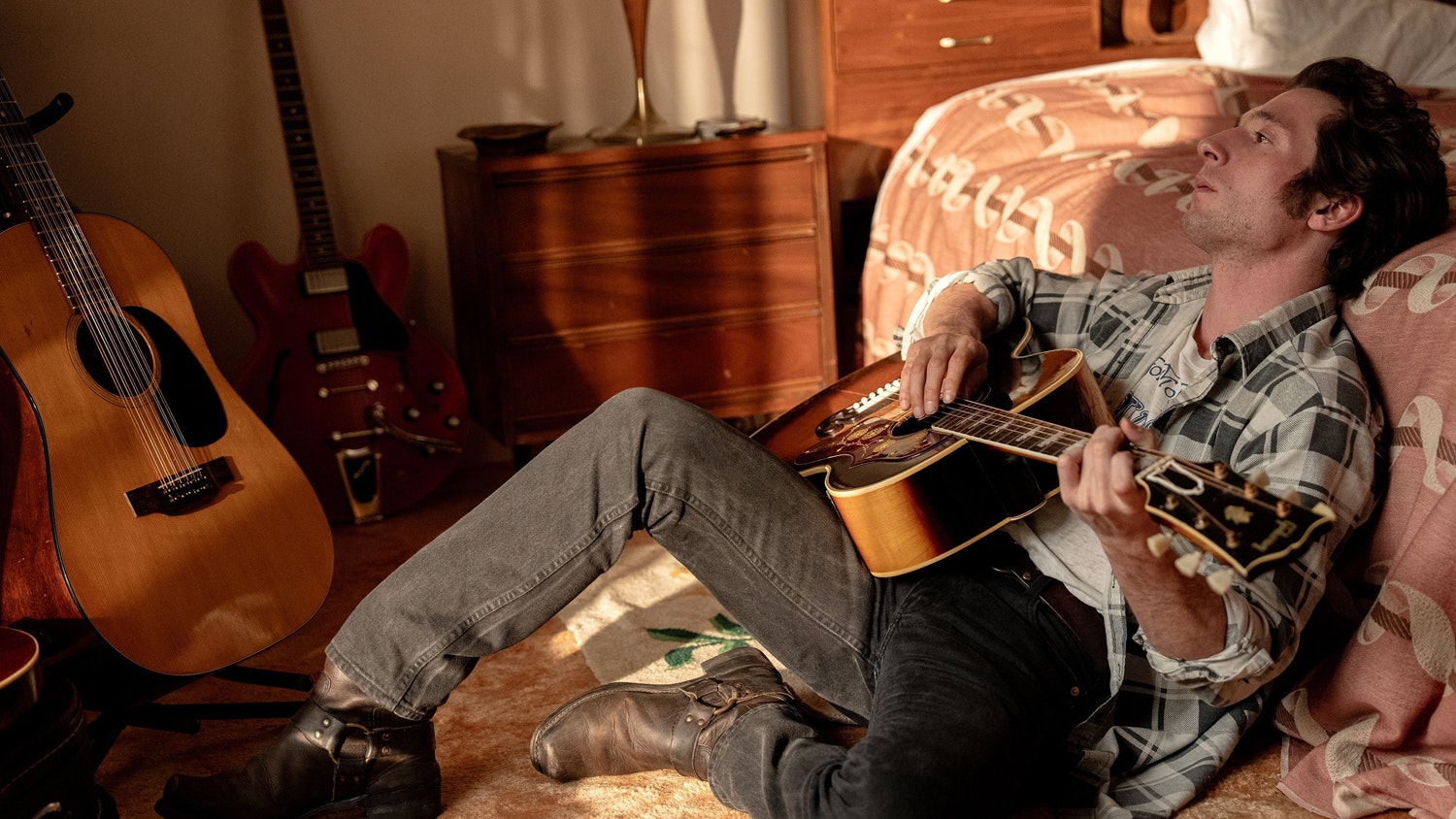
Everything changes for the film, however, as it did for Bruce, when that fabled four-track Portastudio and Echoplex begins to unlock Springsteen’s trauma and bring forth Nebraska. As Cooper locks into his subject’s intensifying depression, exploring the cyclical traumas fathers pass onto their sons and the strength it takes to break the chain, the electrifying power of White’s extraordinarily fragile, combustible central performance — and of that seminal album — comes to the fore.
Playing the Boss at a time where he barely even recognised himself (“I know who you are,” says a fan early on; “That makes one of us,” Springsteen muses back), there’s a certain poetry to White not looking like Bruce Springsteen here, despite nailing Bruce’s New Jersey purr and powerhouse vocals. Far more interested in embodying the man than imitating his image, White manages to do just as the Boss himself did with Nebraska back in ‘82: find something real in the noise.
What's Your Reaction?