Shelby Oaks
Several stars of the YouTube generation of the 2010s have, in recent times,...
Several stars of the YouTube generation of the 2010s have, in recent times, gone from dropping viral sensations online to making their way to the big screen. Most notably, RackaRacka — or, as they are now known, the Philippou brothers — went from demented Ronald McDonald sketches to bursting (or in their case, screaming, head-bashing and blood-splattering) onto the cinema scene with 2022 indie hit Talk To Me. Following in their footsteps, YouTuber and film critic Chris Stuckmann is swapping asking people to like and subscribe for asking them to buy a ticket for their local multiplex, as he steps behind the camera in the hope of scaring theatre audiences.
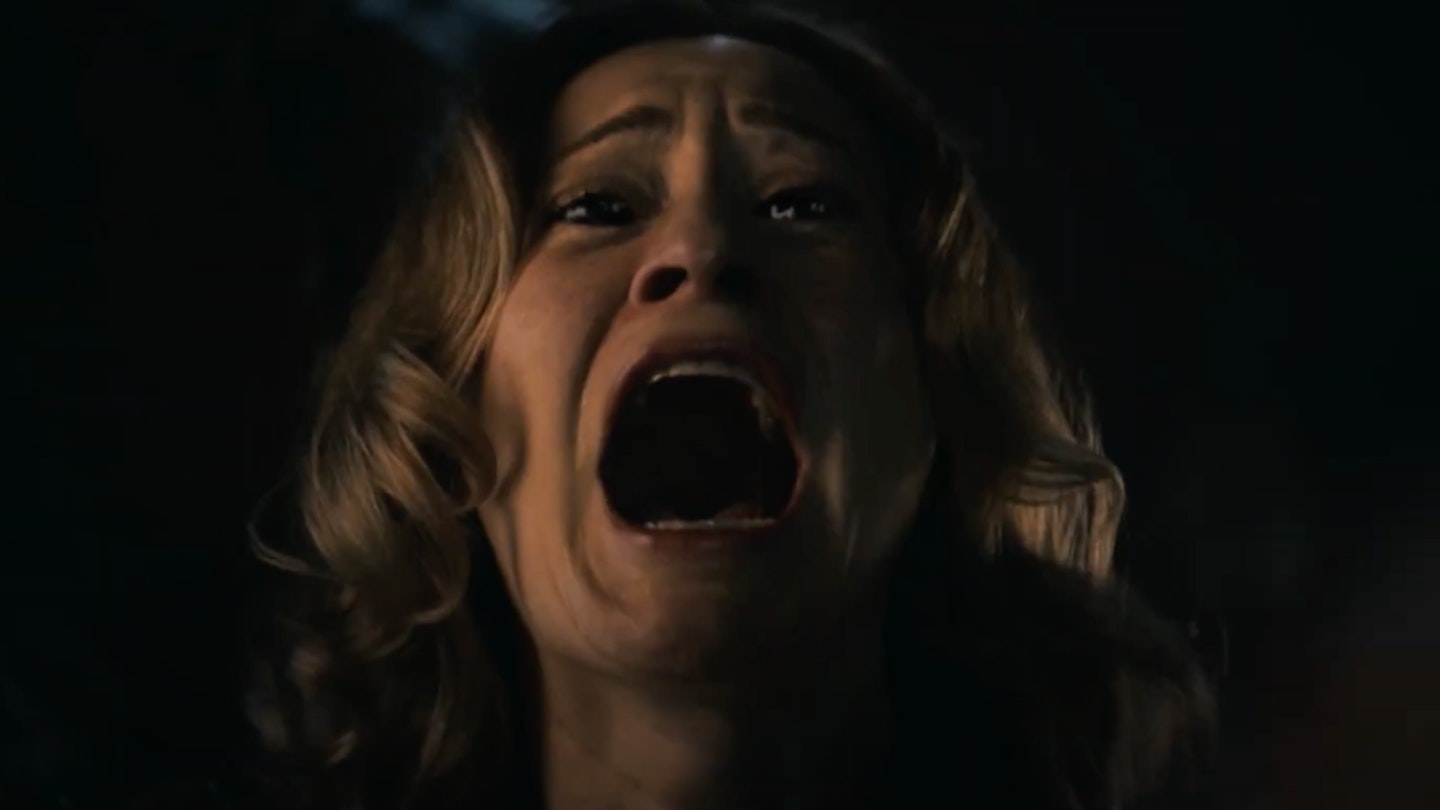
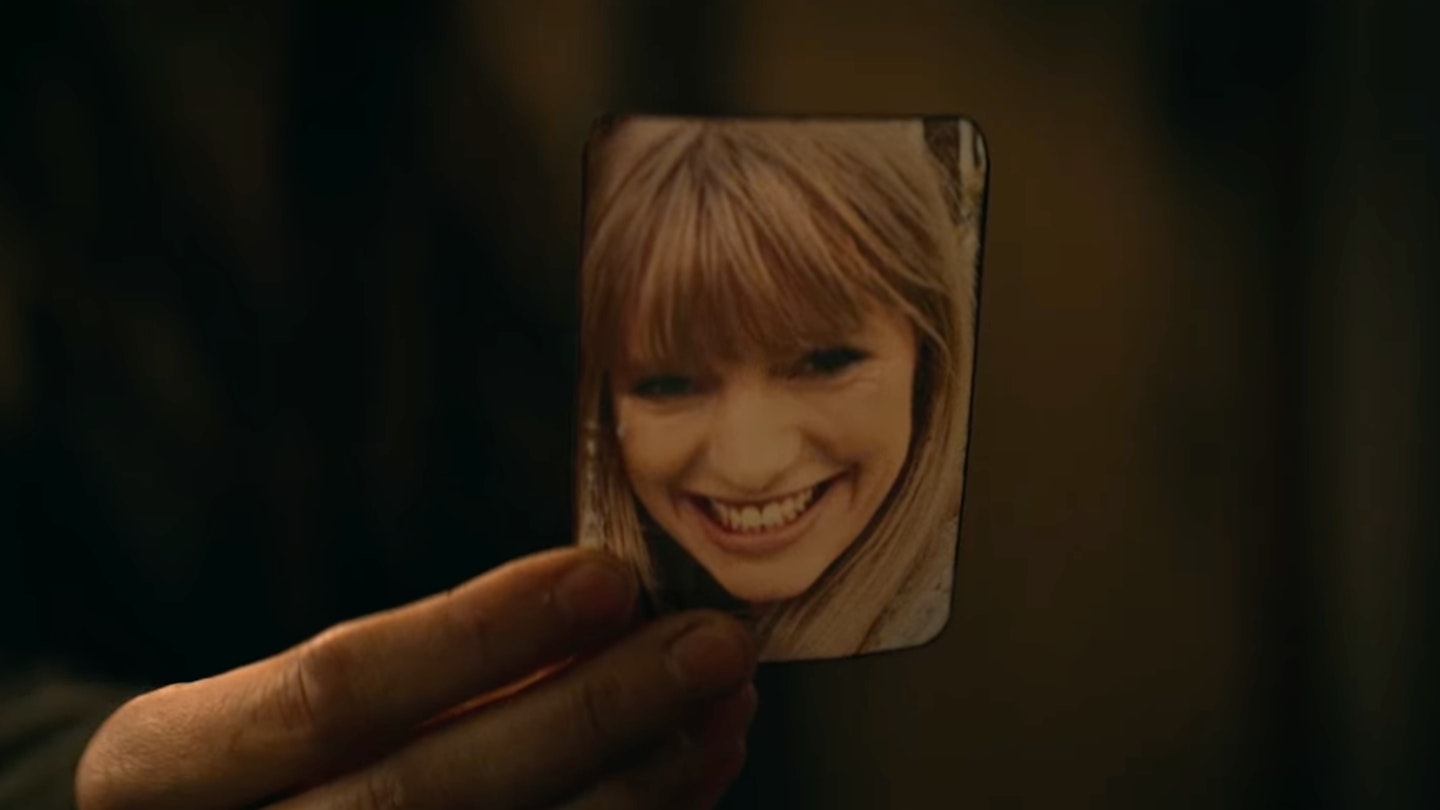
With its pseudo-documentary opening, Shelby Oaks brings us up to speed on the disappearance of Riley Brennan (Sarah Durn), a member of a YouTube group called Paranormal Paranoids who have taken it upon themselves to explore unexplained hauntings… until they suddenly vanish in the titular abandoned town, leaving Mia (Camille Sullivan), Riley’s sister, to pick up the pieces. It’s through this documentary style that the film really gets its hooks into you. Not only does Stuckmann capture the nostalgia of the late-2000s era of YouTube with a near-perfect recreation of channel formats — from over-the-top presenting to volatile comments sections — but as the opening progresses, it becomes increasingly unsettling. Stuckmann thrives in this format, holding shots for long periods and replaying clips that reveal new haunting images. Yes, we’ve seen these moves before — in films like Lake Mungo or Willow Creek — but when they’re played this well, it’s easy to buy into the mystery of it all.
As Shelby Oaks settles into a more traditional approach, it’s mostly successful. It does deliver scares — mostly jumpy ones, but effectively built up, nonetheless.
The movie shifts into an effective found-footage sequence when Mia becomes drawn back into Riley’s case following the appearance of a tape. Amid the multiple film formats and branching plotlines, Mia feels underwritten and underdeveloped – and she’s not helped by the familiar horror trope of characters making terrible decisions, which rears its head so frequently that one might question the effectiveness of the terror at play, given its lead so often stumbles wholeheartedly into danger. Sullivan is impressive, despite Mia being a character who, for much of the film, is purely reactionary.
As Shelby Oaks settles into a more traditional approach, it’s mostly successful. It does deliver scares — mostly jumpy ones, but effectively built up, nonetheless. Stuckmann shows most confidence with an eerie prison sequence and a trip into the woods — but the film’s final act is where it starts to collapse under the weight of its own ideas. The final 30 minutes are at best a mish-mash of multiple derivative genre concepts, and at worst a bargain-bin Hereditary knock-off.
But it’s hard not to see how horror fanatics will be drawn in by Shelby Oaks’ compelling mystery, or its flat-out Gen Z YouTube nostalgia. It’s not perfect, but there’s something charming about Stuckmann’s eerie indie flick — the kind of film one stumbles upon late at night on TV and can’t help but watch until the end.
What's Your Reaction?