Pokémon Legends: Z-A
Platforms: Nintendo Switch 2, Nintendo Switch If you’ve been playing...
Platforms: Nintendo Switch 2, Nintendo Switch
If you've been playing Pokémon games for a while, you might need to brace yourself for Pokémon Legends: Z-A – because you'll actually have to pay attention to the game's opening hours. Forget the hand-holding introductions to what a Pokéball is of the core games – for the first time in decades, this changes almost everything you thought you knew about Nintendo's beloved monster-catching RPG series, and it's all the better for it. Well, mostly.
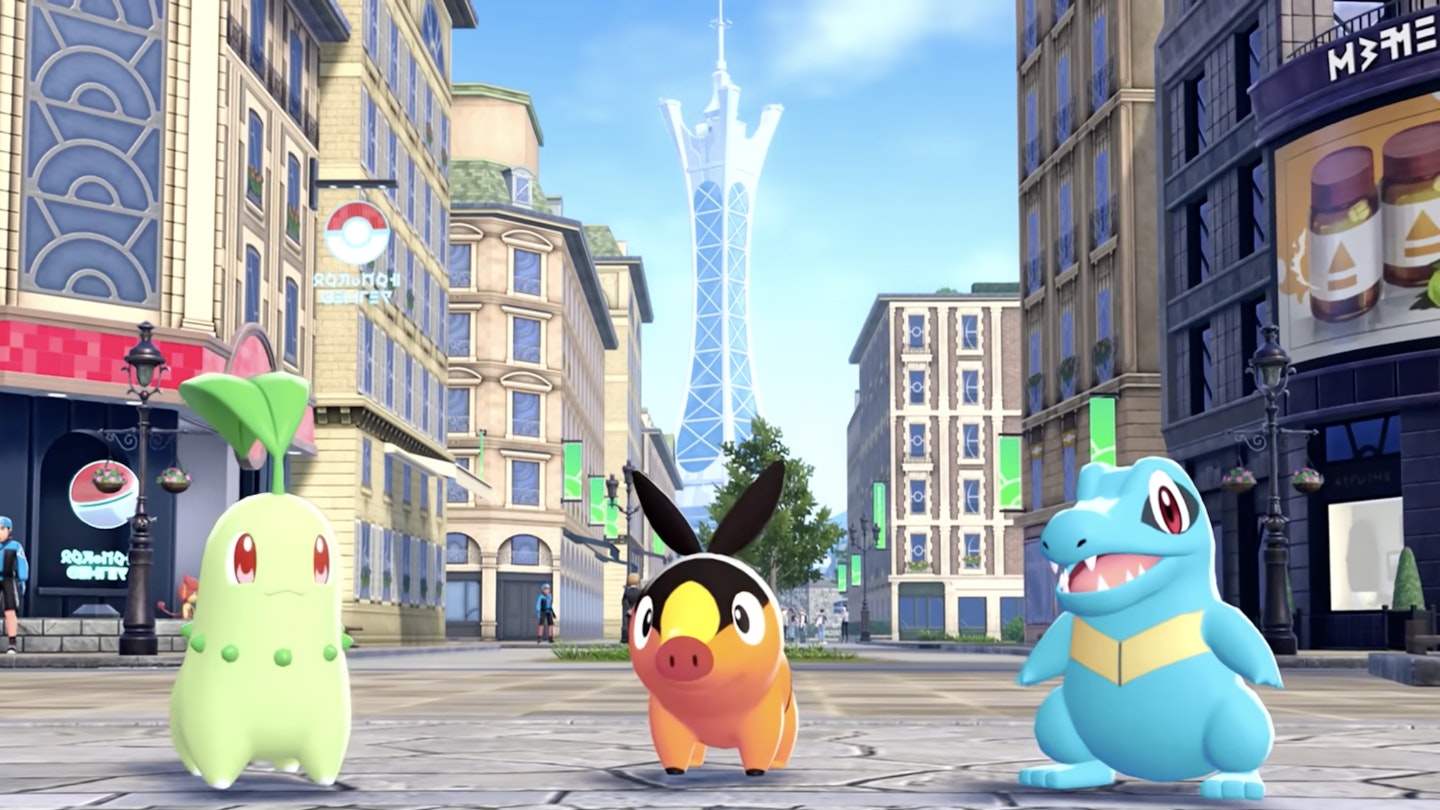
Although Pokémon Legends: Z-A is a follow-up to 2022's Pokémon Legends: Arceus, that's only insofar as it's another standalone spin-off, rather than a core, generation-defining duology like Pokémon Scarlet and Violet. It's actually a direct sequel to 2013's Pokémon X and Y, taking place entirely in Lumiose City, the capital of that pair's Kalos Region, and steeped in its lore, with returning characters and deep-cut references that mark this out as a game laser-targeted at long-term fans.
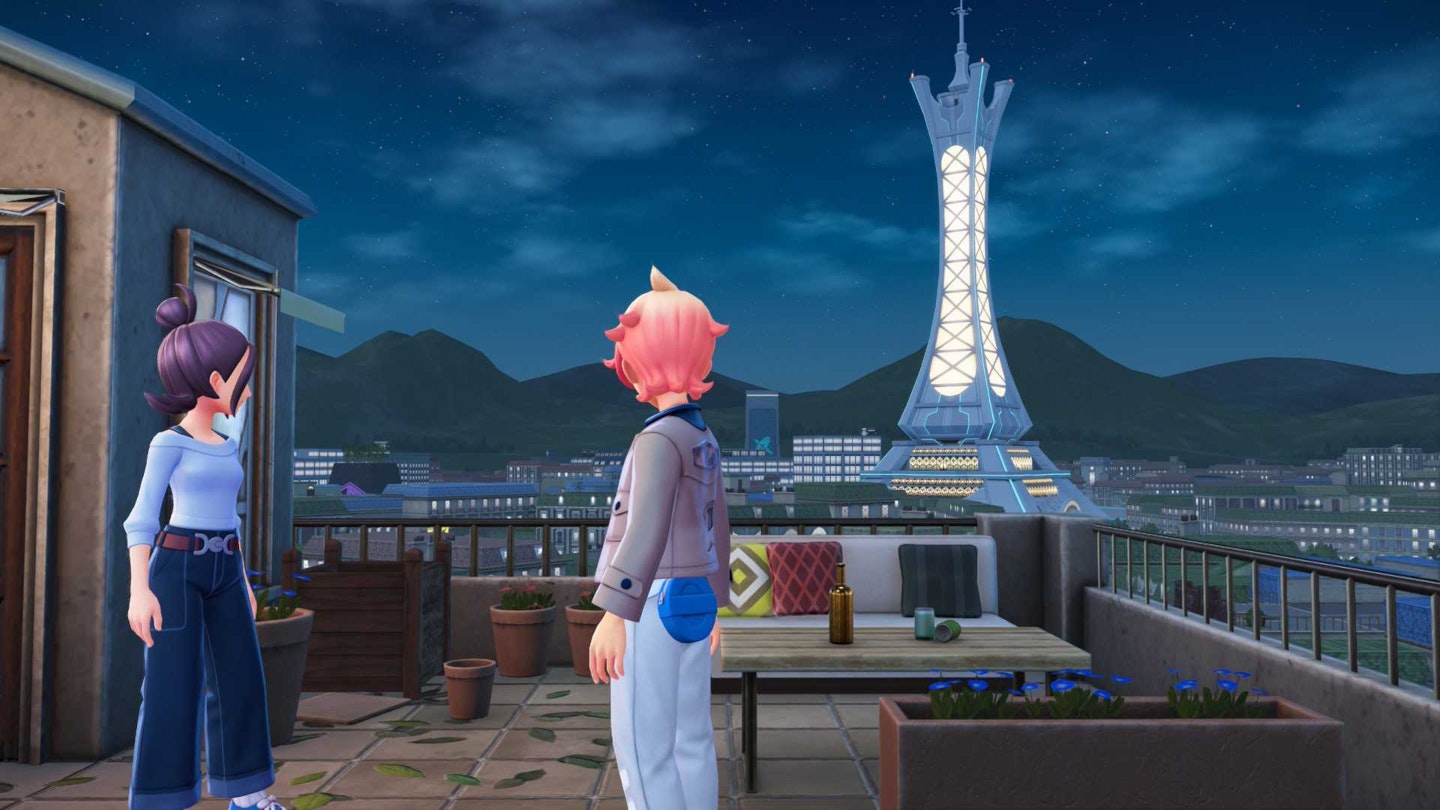
The location is the first massive departure from Pokénorms – forget exploring the wilds of Pokéworld, you'll instead be traversing the boulevards and backstreets of a single city. Thankfully, the Switch and Switch 2 (version tested) are leagues more powerful than the Nintendo 3DS that housed the original X and Y, so Lumiose – modelled after real-world Paris, and bustling with people speaking in cute little Francaisms – is massively expanded. Lumiose is now a labyrinth of picturesque side roads and tucked away terraces, and boasts a surprising degree of verticality, allowing you to explore rooftops as easily as main roads.
Part of its growth, in-game at least, is down to a redevelopment plan courtesy of Quasartico Inc., a process that has seen Wild Zones established throughout the city where Pokémon can be caught and battled. However, the urban renewal curiously coincides with wild Pokémon around the city spontaneously beginning to Mega Evolve – a mechanic introduced back in X and Y allowing creatures to take on more powerful forms in battle, but now a dangerously random phenomenon.
Playing a young adult, or at least an older teen – rather than a child on an adventure, another touch that feels like Z-A acknowledging its long-time fans – you find yourself drawn to Lumiose looking for a new start and are soon drawn into the Z-A Royale, Quasartico's city-wide competition to find the strongest trainer (and maybe help with their whole "monsters rampaging across the city" problem). Each night sees a section of the city transformed into a cordoned off Battle Zone where Pokémon trainers face off freely, hoping to raise through the ranks from Z to A – get the name now?
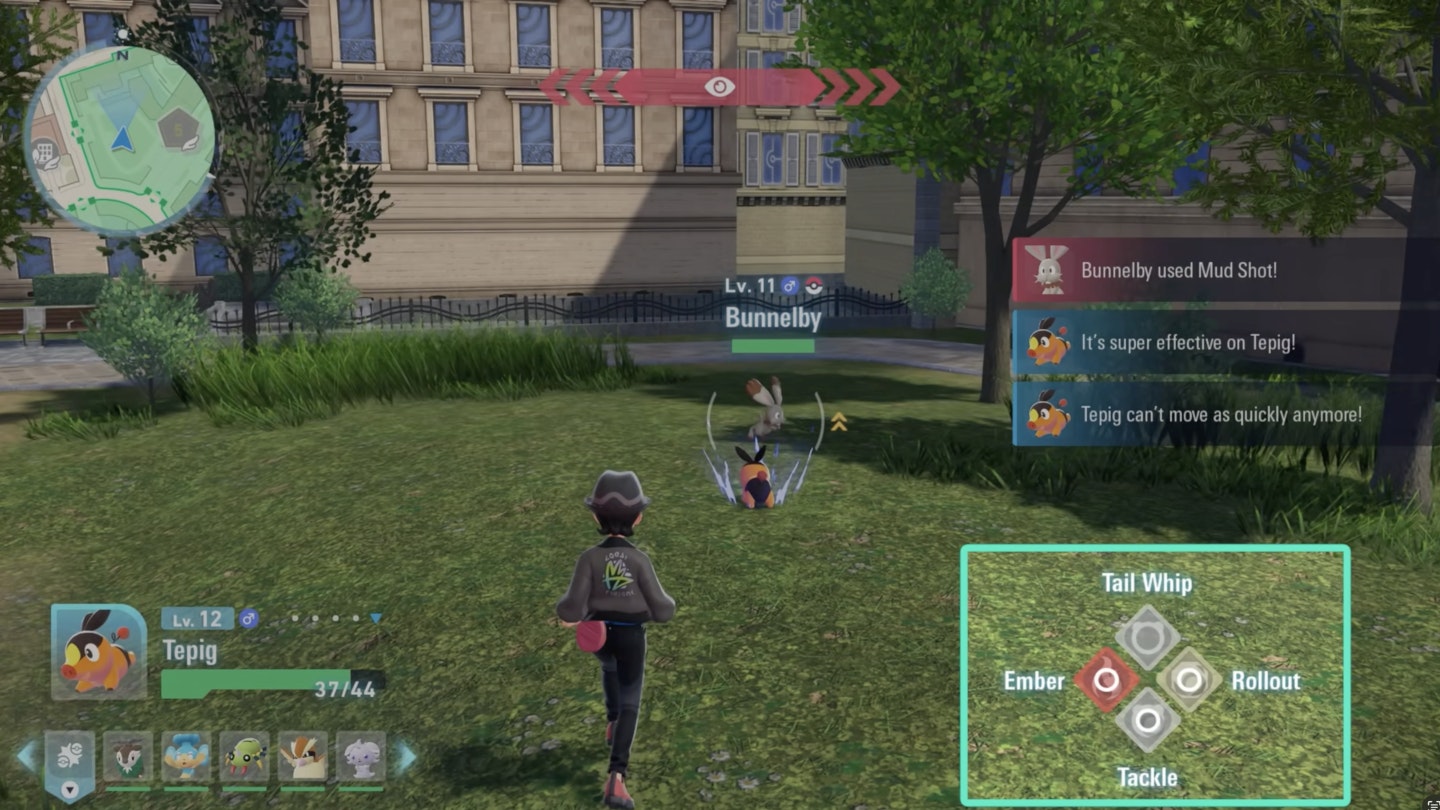
Battles themselves are the second, and by far biggest, change that Z-A makes, as combat is now completely real-time. While Arceus had real time elements, mainly for catching Pokémon and dispatching weaker ones in the wild, it still centred largely on turn-based models. Z-A does away with this entirely, opting instead for free movement in battles and each Pokémon's moves operating on cooldown timers instead of having a specific number of uses.
Each Pokémon in your party can still only use four moves at a time, each mapped to one of the controller's A/B/X/Y face buttons. Lock on to an enemy, use the desired move, wait for it to recharge. It sounds simple but it's an absolutely seismic shift that has a dramatic impact on how battles play out. For instance, if your most powerful move takes eight seconds to recharge, you might be able to fire off two quicker moves in that time, then hit your opponent with a Pokéhaymaker. Learning how long your rival's moves take to execute lets you take advantage of gaps in their defence, too. For the first time, the difference in move speed can really be felt, and makes stat-boosting moves for your Pokémon a real game changer – you may actually want to keep some defence-boosting moves lined up, for a change. Spacing and positioning is also pivotal, as each attack has a range of effect to consider. Given your currently active Pokémon follows you closely as you race around, it's possible to lead them out of an area of attack entirely. Similarly, obstacles in the world can block blows from connecting at all.
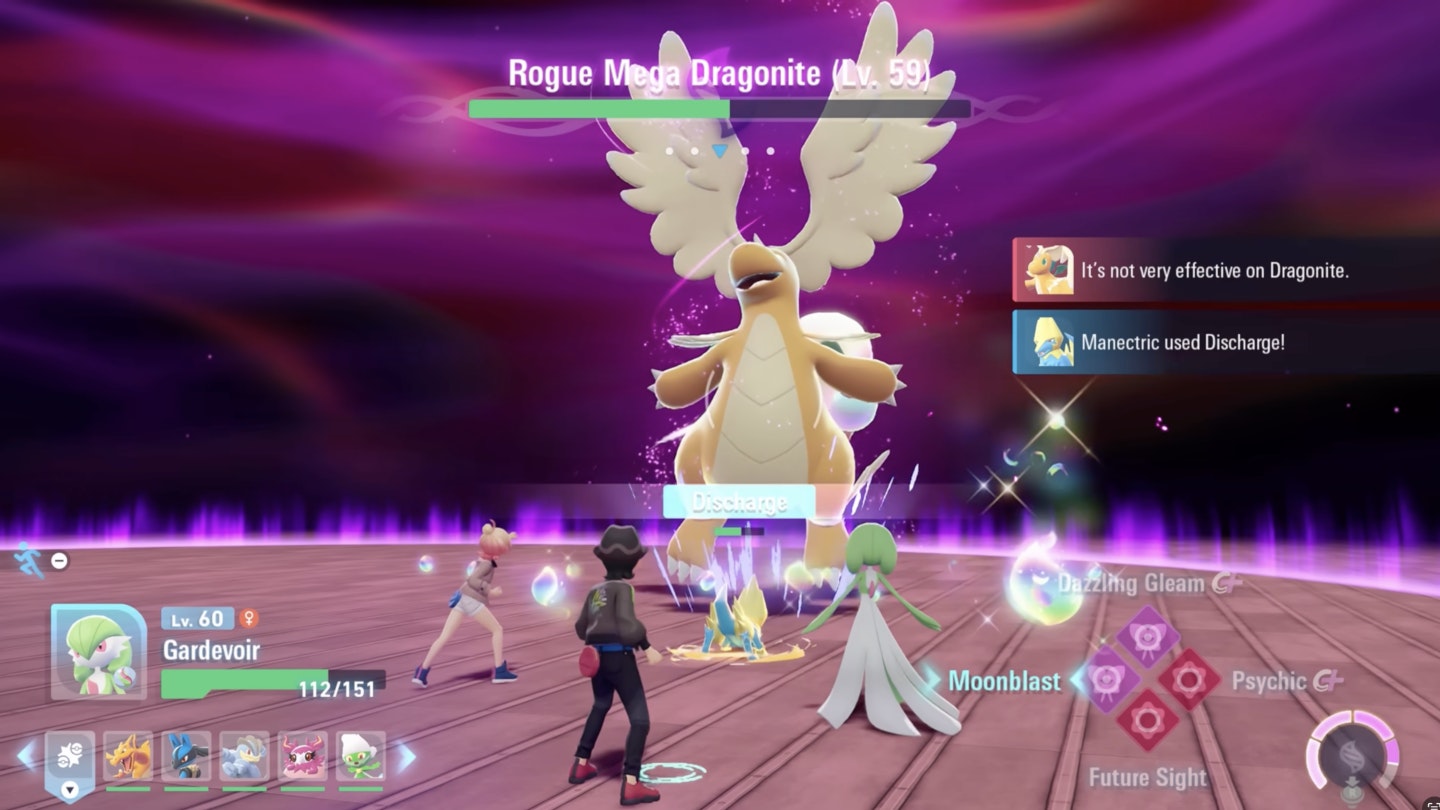
This all comes together brilliantly when Z-A actually introduces those Rogue Mega Evolutions for you to fight. These take place in arena-style boss encounters where you'll have to dodge attacks, gather Mega Energy for your own Pokémon, and have them Mega Evolve themselves to stand a chance. These are flashy, fast-paced fights that feel more like Pokémon battles as you see them on the long-running anime than any previous game. There are a couple of kinks – using items in battle is trickier than it should be, having to come out of targeting an enemy to go into the menu – but overall it's a brilliant approach, modernising the experience while keeping core elements intact in ways that feel authentically Pokémon in spirit.
Unfortunately, while the revamped combat system delights, other areas of Z-A don't fare quite so well. Constraining the game's events to Lumiose means there's no real variety in locations, so as pretty as not-Paris is – and this is the best a Pokémon game has ever looked, bar a few moments where the frame rate noticeably dips even on Switch 2 – it can get repetitive after a while, and makes finding your way around tricky. And, although the number of Wild Zones around the city creeps up over the course of the game, there's never anywhere close to the diversity of biomes found as you explore previous entries.
It's also rather threadbare on features commonly found in other Pokémon games. While some would be frivolous nice-to-haves – there's no riding Pokémon around the streets, for instance – the lack of a breeding mechanic in particular means building a perfect team for your play style is entirely down to luck of the draw, or rather catch. You can hunt down Alpha Pokémon – larger, usually more powerful versions, another returning Arceus feature – but they're limited in number.
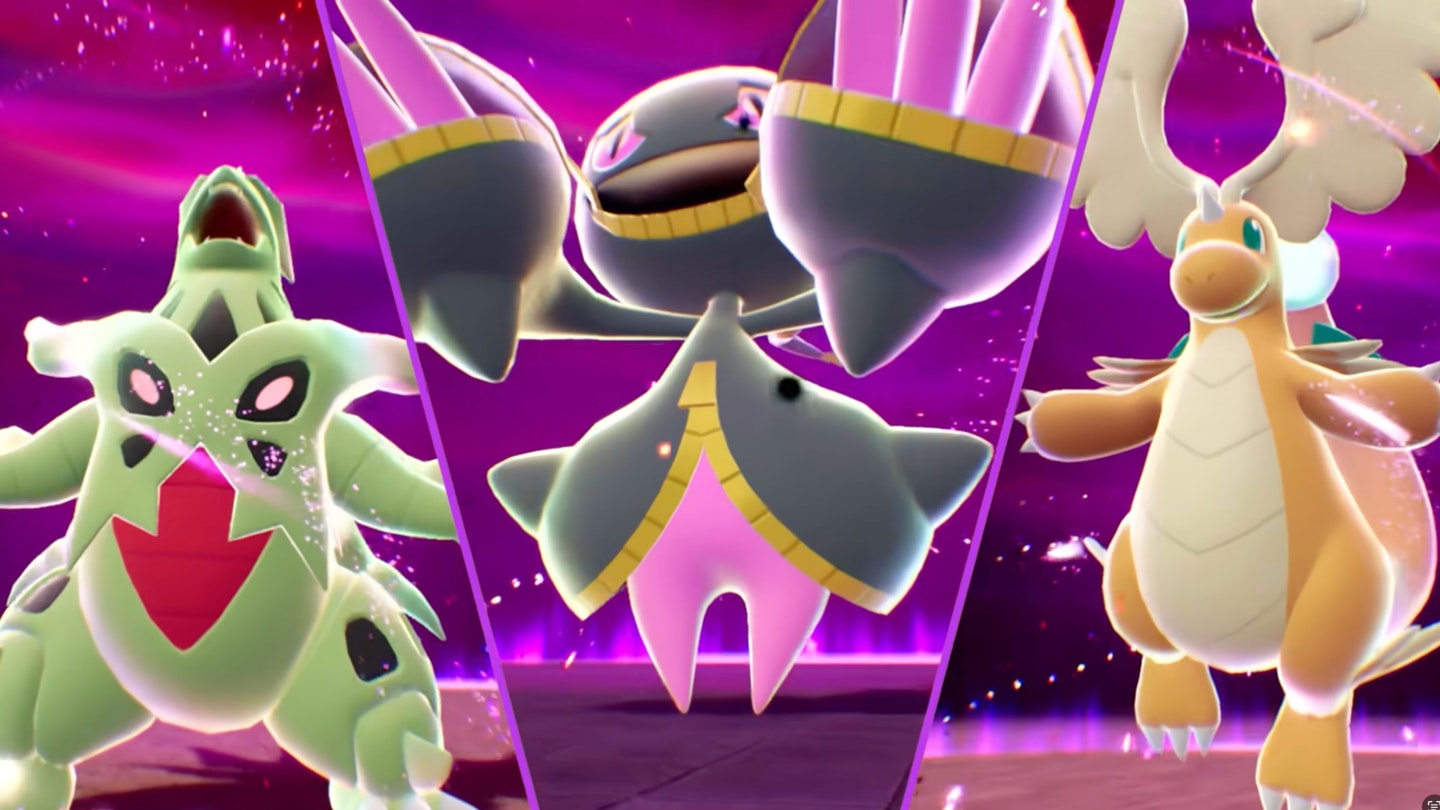
Strangest of all, there's not a single new Pokémon to be found here, nor any distinctive regional forms of existing critters (such as the modified Hisuian versions of some creatures seen in Arceus). Z-A does go some way to correcting this oversight with dozens of new Mega Evolutions for prior Pokémon though, including for fan favourites such as Dragonite and Hawlucha. These offer fun new ways to take old friends into battle, although the Mega Stones needed to activate some of these transformations are currently only obtainable by climbing the ranks in online player battles, which is a bit of a hitch.
Still, Pokémon Legends: Z-A feels like a revitalisation the series has long needed. Its deeper story will be appreciated by those who've been around for years, without alienating newcomers, and its overhauled combat is a breath of fresh air. A touch more variety in other aspects wouldn't have gone amiss, but this is a high-water mark for Pokémon as a whole.
What's Your Reaction?