Disclosure Day
In his last movie, The Fabelmans, Steven Spielberg tenderly harked back to his...
In his last movie, The Fabelmans, Steven Spielberg tenderly harked back to his childhood fascination with the glow of the big screen, and his nascent urge to conjure its profoundly enrapturing images. In his latest, Disclosure Day, he harks back to another juvenile obsession: the distant twinkle of the stars, and his desire to discover what must — surely? — live among them. So, despite its outward appearance as a slick, kinetic thriller, Disclosure Day is in its own way just as personal and, surprisingly, empathetic a film as his last effort. Spielberg’s pulse can be felt in every frame.
Of course, he has indulged this particular fixation, with immense success, a few times previously. As such, the understandable, appropriate and welcome secrecy surrounding Disclosure Day has encouraged speculation that it might, in fact, be a stealth sequel to his sublime 1977 alien-visitation classic Close Encounters Of The Third Kind.
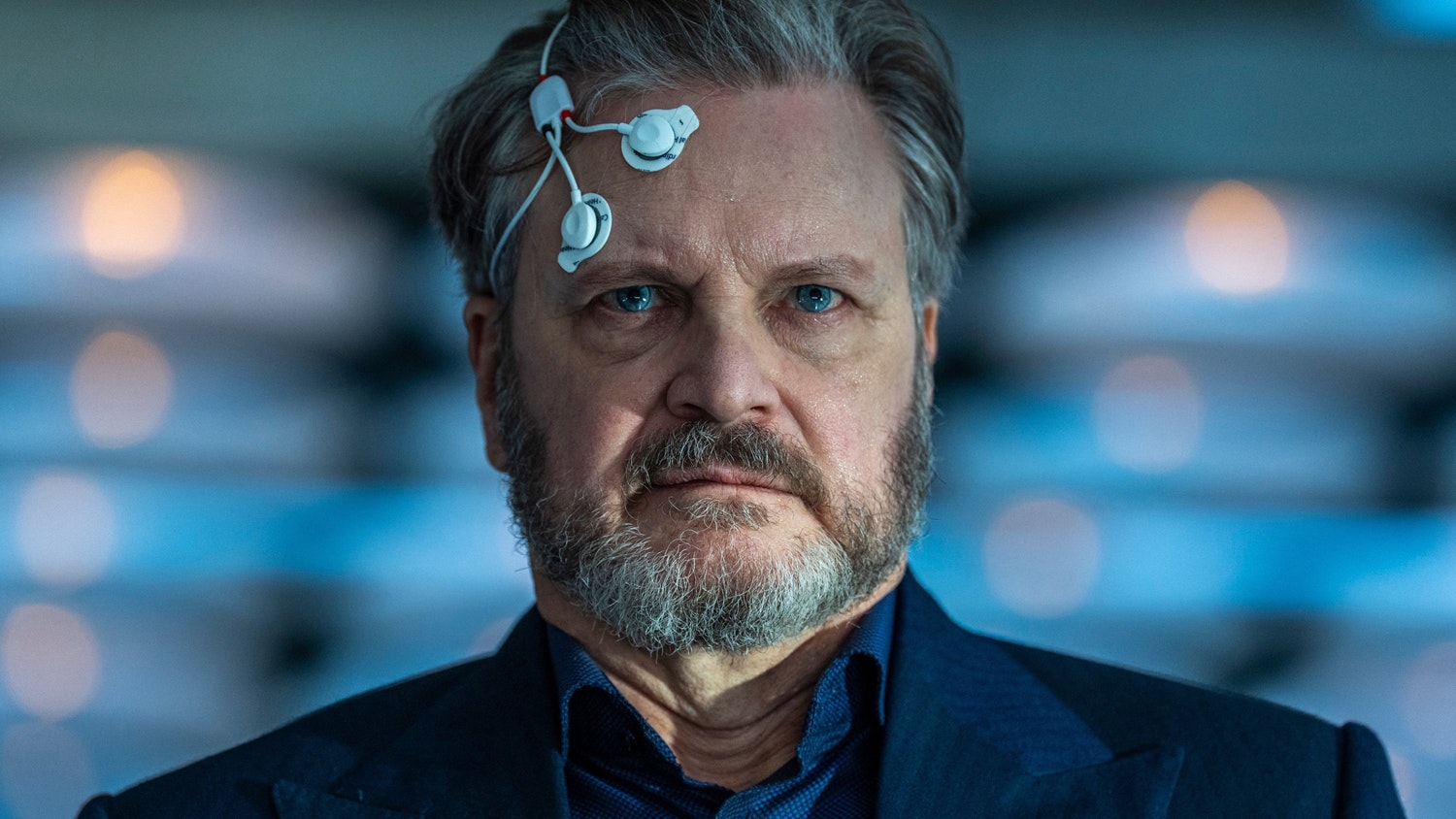
It’s a fair supposition. There is indeed shared narrative DNA here: Spielberg has once again drawn inspiration for his story (scripted by long-time collaborator David Koepp) from real-life accounts of UAPs — unidentified anomalous phenomena, aka UFOs — giving the film a relatively grounded feel. Plus, like Close Encounters, Disclosure Day follows disparate folk compelled to heed an inner, supernaturally planted drive to complete a potentially perilous journey, which brings them into gradual convergence.
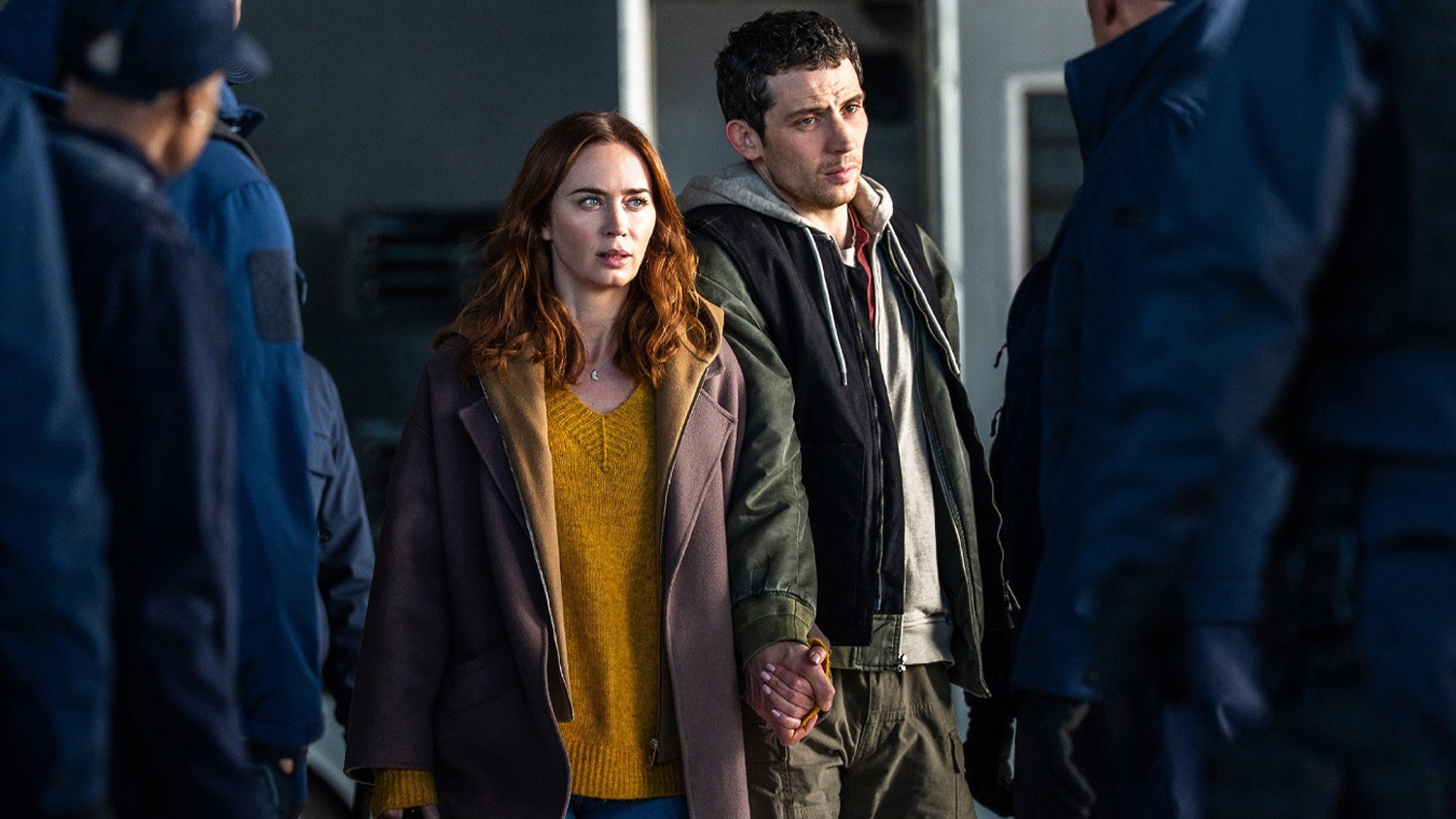
In this case, we have Josh O’Connor as Daniel Kellner, a cybersecurity specialist in the midst of the mother(ship) of all security leaks, and Emily Blunt as Margaret Fairchild, a flighty weather presenter who finds she can suddenly speak all languages — human and otherwise — and read minds. Both are remorselessly stalked by Colin Firth as the silver-fox boss of a sinister agency (the only Brit who gets to keep his own accent, presumably because he’s the bad guy). But do they all definitively occupy the same world as Roy Neary, Jillian Guiler and Claude Lacombe? Is this in fact a Close Encounter of the Fourth Kind? To us, the answer is obvious by the final few minutes, but we’ll let you decide for yourself.
Features some of Spielberg’s best action in years.
Spielberg is channelling the ’70s in other ways, too. Disclosure Day has the pacing, tone and old-school grit of an Alan J. Pakula conspiracy thriller, albeit with a heavy X-Files twist. Meanwhile, its earnest faith in the power of anti-establishment truth-unearthing recalls another ’70s-style Spielberg picture, namely 2017’s The Post.
Shot largely on 35mm film and buoyed by a stirring John Williams score, Disclosure Day feels like a welcome flashback to Proper Grown-up Cinema in this era of CG drenching (though its use of obviously digital animals for a few key scenes is an unfortunate, but thankfully only minor, blemish). Spielberg’s fluid visual mastery is evident throughout, including some delicious grace notes. In one scene, a TV-forecasted hailstorm is cheekily foreshadowed by a close-up of tumbling breakfast-cereal hoops; in another, the director frames a reflection of Blunt’s face in the back of a security guard’s crew-cut as Margaret snatches his thoughts: she is literally in his head. The film also features some of Spielberg’s best action in years, including a gripping high-speed train sequence that tugs you right back to his vintage Indiana Jones era.
For all its impressive flourishes, there are elements, mostly associated with its sci-fi lore, that might chafe for some viewers. For example, we are told that the story’s core alien-tech MacGuffin is not a “magic wand”, yet its effects present more as sorcery than physics, while one big reveal might prove just a tad too hokey for lovers of good old-fashioned reality. Speaking of which, there is also a doomy backdrop of imminent world war (presumably nuclear) that is kept too vague to be impactful, and the script’s needless raising of a big philosophical/religious question results in a disappointingly trite answer.
Even so, Spielberg’s heart is so resoundingly in the right place that you’d have to be a truly committed grump to let any of this obstruct your enjoyment. Amid all the thrills and sci-fi spills, and with the help of a uniformly strong cast (though Blunt is the standout here), he presents what is essentially a timely plea for compassion and communication. Humanity can do better, he believes — even if it needs a little childhood-fantasy help.
What's Your Reaction?