Alpha
After turning our stomachs with cannibalistic coming-of-age debut Raw and...
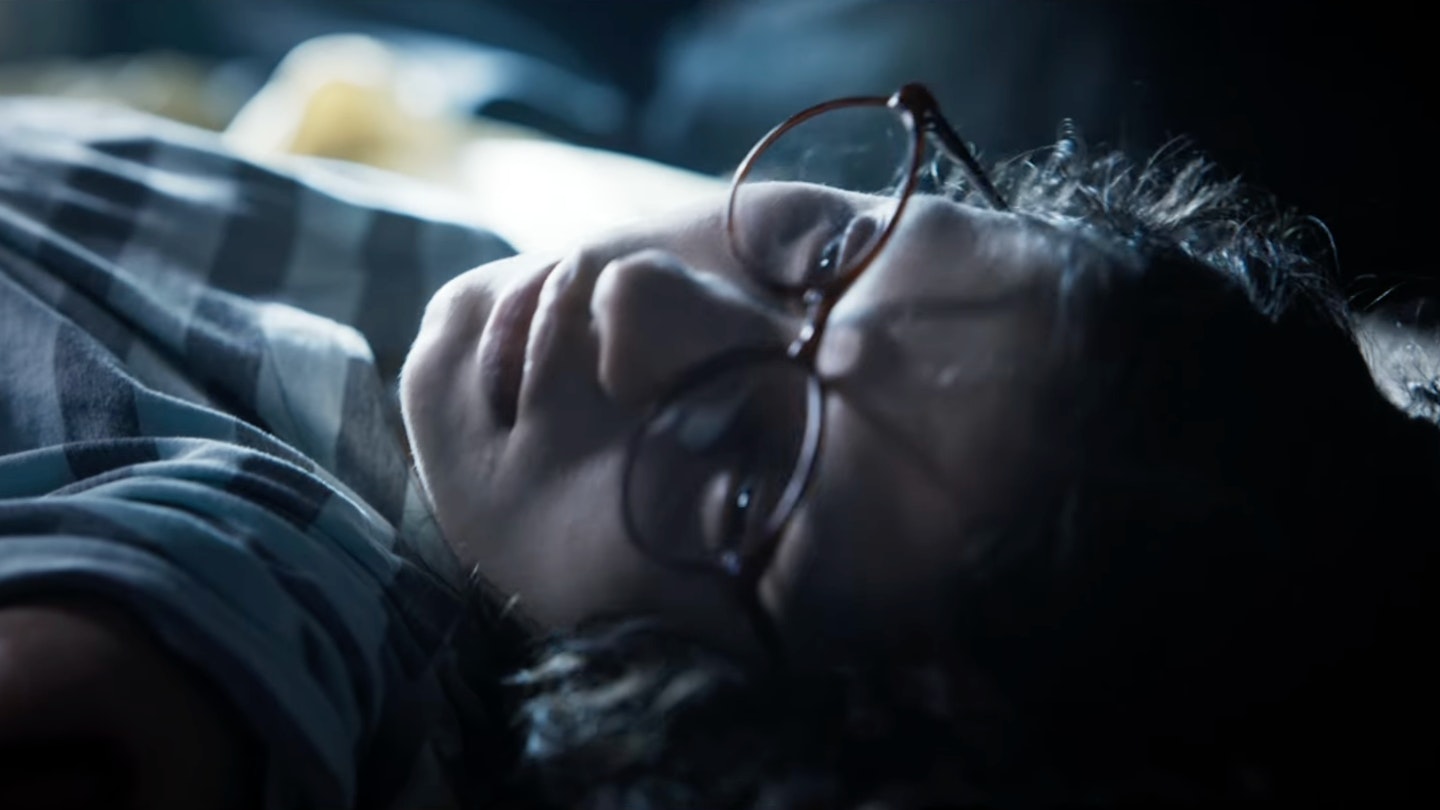
After turning our stomachs with cannibalistic coming-of-age debut Raw and making mechanophiliac magic with her Palme d’Or-winning follow-up Titane, body-horror queen Julia Ducournau returns with Alpha — a melancholy meditation on grief, heavily influenced by the AIDS epidemic.

Relative newcomer Mélissa Boros (with only one prior acting credit to her name, 2021’s Le Silence De Sibel) plays the titular Alpha. A little spiky, a little rebellious, we first properly meet her at a teen house party, drunk and unconscious, with someone tattooing a bold, bloody “A” onto her arm. It’s an opening that channels Ducournau’s signature talent for crafting corporeal queasiness, all close-up shots of metal piercing skin that will make even the most inked individual wince. Those moments are few and far between, and so true body-horror-heads may feel a little underserved — but the most remarkable thing here is how those with the fatal illness that Alpha is thought to have contracted slowly morph into marble statues as their symptoms progress, an elegant device for expressing how those who leave us become frozen in time before crumbling to dust.
Golshifteh Farahani is impressive as Alpha’s mother who is also a doctor, her standout moments mostly in flashbacks to her time working when the illness was at its most prominent. Tahar Rahim (The Mauritanian) plays Amin, Alpha’s uncle who turns up out of the blue, his withdrawal from drugs the backdrop to her increasing social isolation. Rahim is startingly thin, clearly committed to the physicality of the role, and it’s Amin’s connections with both Alpha and Farahani’s character that provide the film’s most gut-wrenching emotional moments.
Far less extreme than the French filmmaker’s previous work, Alpha is Ducournau dialled down, with its exploration of immigrant families, the destructive nature of drug addiction and Alpha’s struggles at school making it the most grounded in reality of her films. It is relentlessly bleak, and the meandering third act in particular will test your patience — but Ducournau does just about stick the landing, if you’re able to sit in the gloom long enough to make it there.
What's Your Reaction?