After The Hunt
Is anyone banging out films with the speed and tenacity of Luca Guadagnino? The...
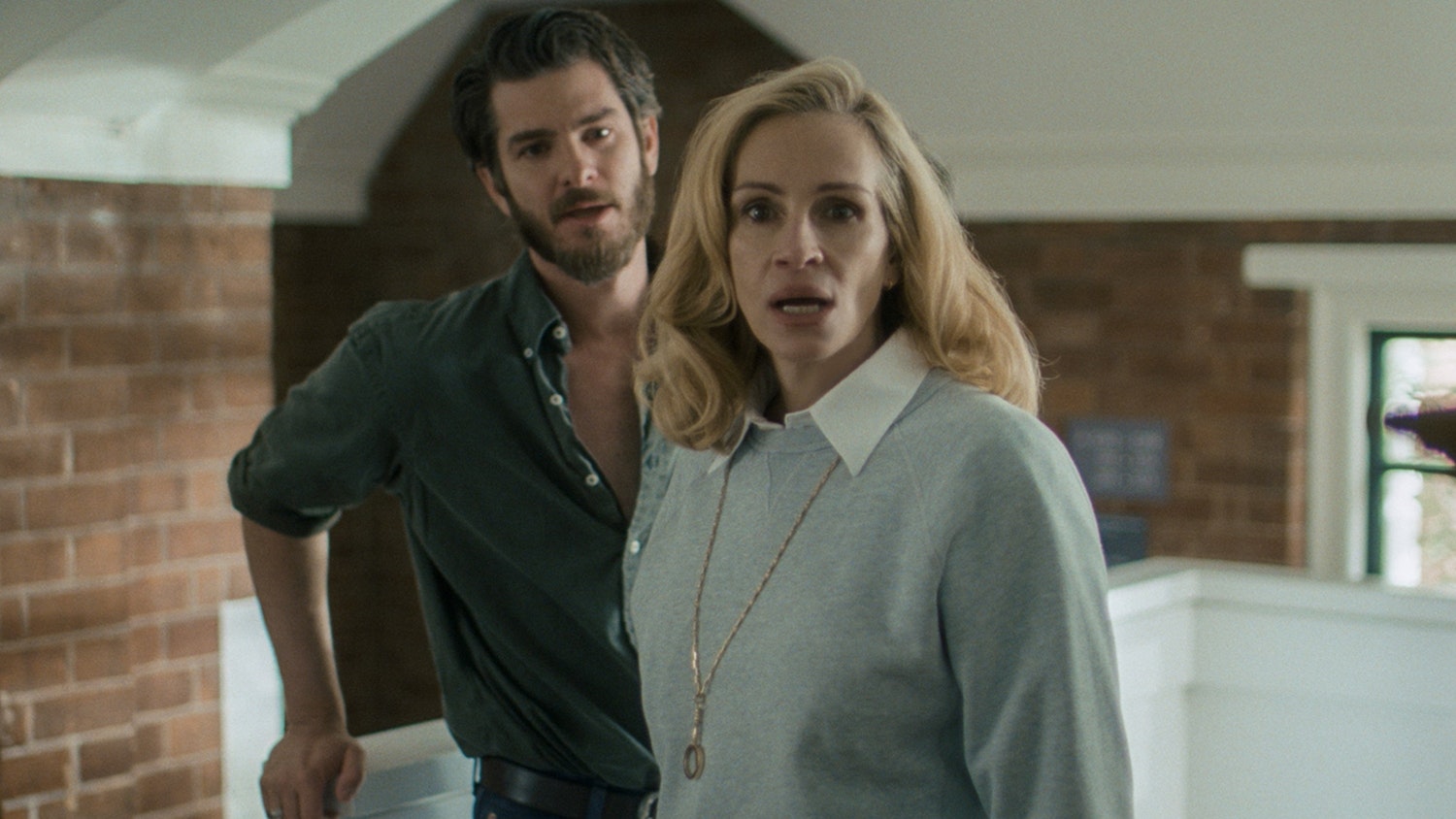
Is anyone banging out films with the speed and tenacity of Luca Guadagnino? The director seems to have given up sleeping, somehow squeezing in a trio of toxic, tempestuous love stories — Bones And All, Challengers and Queer — in about as many years. His latest certainly has some of the hallmarks of a Guadagnino joint (illicit passion, slippery morality, Michael Stuhlbarg stealing scenes). But at the same time, campus thriller After The Hunt, which seems to condemn both abuses of power and the excesses of efforts to expose them, feels colder, more cynical and subdued than his most recent films. It’s absorbing thanks to some strong performances, but rather let down by a script that isn’t as transgressive as it seems to think it is.

With its title cards imitating the unmistakable style of Woody Allen, the film wastes no time in announcing itself as a provocation. “It happened at Yale,” we’re told, and we’re soon drawn into the rarefied milieu of eminent philosophy professor Alma Olsson (Julia Roberts). Likely to be given tenure at the university over her louche colleague Hank (Andrew Garfield), with whom she shares a strong attraction, she’s doted on by husband Frederik (Stuhlbarg) and worshipped by her queer PhD student Maggie (a strong dramatic turn from Ayo Edebiri, styled to look like a miniature Alma). That million-dollar Julia Roberts smile doesn’t make many appearances here; she’s effortlessly commanding as this invulnerable intellectual titan repressing a traumatic past.
We first encounter Alma at the height of her power, hosting a booze-soaked soirée with her husband in their luxurious flat. Debut screenwriter Nora Garrett isn’t one for burying the lede: there’s a rant about affirmative action, Hank goads Maggie by lambasting her generation’s fear of causing offence, and the professors blithely discuss the abhorrent political views and private lives of the canonical philosophers that they teach, from Heidegger’s Nazism to Freud’s misogyny. ICYMI, this film is about cancel culture.
Its politics are certainly confused, and yet this is a pacy, elegantly crafted thriller.
Tension is high already thanks to a recurring ticking sound plus discordant clanging of percussion and blasts of brass detonated by Trent Reznor and Atticus Ross, excelling on scoring duty. But things intensify further when the next day Maggie confides in Alma that Hank sexually assaulted her after walking her home from the party. Alma’s cold response and insistence on clarifying the precise nature of the attack leaves Maggie crushed, and all the more determined to pursue justice, while Alma spirals into a personal crisis.
In one of the film’s most gripping and unsettling scenes, Hank and Alma have a clandestine meeting where he refutes the charges, claiming that Maggie has been plagiarising her thesis and that she’s a mediocre student who’s only at Yale through nepotism. Garfield is brilliantly loathsome here, devouring Indian food with faux affability and veering wildly from bitterness to charm to desperation.
Here the film’s central interest in unstable power dynamics comes to the fore — Maggie is a student and Hank is her teacher, but who wields more institutional influence with the university? Is Alma not advocating for Maggie akin to complicity with sexual violence? Has Maggie got Hank fired to secure Alma’s tenure? Even aesthetically this is no romanticised, Pinterest-board-worthy view of academia. Veteran cinematographer Malik Hassan Sayeed (in his first narrative feature in 27 years) creates effective and uninvitingly washed-out images, all concrete-grey and with the camera often at a wary distance. During the film’s most heated moments, however, Guadagnino will cut to a tight, centrally framed close-up where the actors almost look directly into the lens, à la The Silence Of The Lambs, placing the audience directly within those confrontations.
An icy blonde with a penchant for men’s tailoring can’t help but be compared to Cate Blanchett in TÁR, and that film is certainly bolder by allowing its protagonist to be truly heinous. After The Hunt refuses to out-and-out condemn either Alma or Maggie and mercifully doesn’t exonerate Hank either. This isn’t so much of a he-said-she-said as a not-totally-successful post-#MeToo drama, the title seemingly alluding to detractors referring to the movement as a witch hunt. Its politics are certainly confused, and yet this is a pacy, elegantly crafted, engaging thriller with visual flair that’s bolstered by Roberts’ intriguing central performance.
What's Your Reaction?